The Impact of Generalized Anxiety Disorder (GAD) on Mental Health
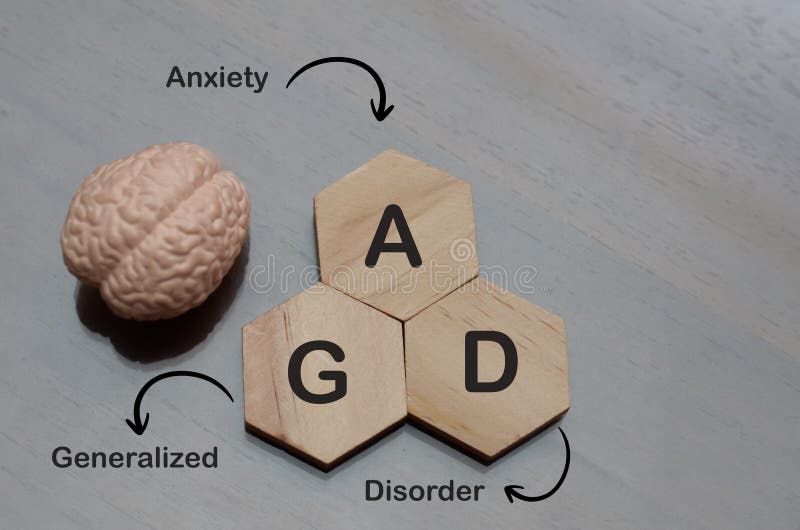
Generalized Anxiety Disorder (GAD) is a common mental health condition characterized by persistent and excessive worry about various aspects of life, even when there is no apparent reason for concern. Individuals with GAD often experience overwhelming anxiety and find it challenging to control their worries, which can significantly impact their daily lives.
One of the primary effects of GAD on mental health is the constant feeling of tension, nervousness, and restlessness. This ongoing state of anxiety can lead to physical symptoms such as muscle tension, fatigue, irritability, and difficulty concentrating. Over time, these symptoms can contribute to feelings of overwhelm and exhaustion, making it hard for individuals with GAD to function optimally in their personal and professional lives.
Moreover, individuals with GAD may also struggle with insomnia or other sleep disturbances due to their racing thoughts and worries. The lack of quality sleep can further exacerbate anxiety symptoms and negatively impact overall mental well-being. Additionally, GAD can increase the risk of developing other mental health conditions such as depression, as the persistent worry and stress take a toll on emotional resilience.
It is essential for individuals experiencing symptoms of GAD to seek professional help from mental health professionals. Therapy approaches such as cognitive-behavioral therapy (CBT) and mindfulness-based techniques have been shown to be effective in managing anxiety disorders like GAD. In some cases, medication may also be prescribed to help alleviate symptoms.
Self-care practices such as regular exercise, maintaining a healthy diet, getting an adequate amount of sleep, and practicing relaxation techniques like deep breathing or meditation can also support individuals in managing their anxiety levels and improving their overall mental well-being.
By raising awareness about the impact of GAD on mental health and promoting access to appropriate treatment options, we can better support individuals affected by this condition in leading fulfilling and balanced lives.
Understanding Generalized Anxiety Disorder (GAD): Key Questions and Answers
- What is Generalized Anxiety Disorder (GAD) and how is it different from regular anxiety?
- What are the common symptoms of Generalized Anxiety Disorder (GAD)?
- How is Generalized Anxiety Disorder (GAD) diagnosed by mental health professionals?
- What are the potential causes or risk factors for developing Generalized Anxiety Disorder (GAD)?
- What treatment options are available for individuals with Generalized Anxiety Disorder (GAD)?
- Are there lifestyle changes or self-care practices that can help manage symptoms of Generalized Anxiety Disorder (GAD)?
What is Generalized Anxiety Disorder (GAD) and how is it different from regular anxiety?
Generalized Anxiety Disorder (GAD) is a mental health condition characterized by persistent and excessive worry about various aspects of life, even when there is no apparent reason for concern. Unlike regular anxiety, which is a common emotional response to stress or perceived threats, GAD involves heightened and prolonged levels of anxiety that can interfere with daily functioning. Individuals with GAD often experience uncontrollable worry, physical symptoms such as muscle tension and fatigue, and difficulties in concentration. GAD tends to be more pervasive and persistent than occasional feelings of anxiety, impacting various areas of a person’s life over an extended period. It is essential to seek professional help if you suspect you may be experiencing symptoms of GAD to receive an accurate diagnosis and appropriate treatment.
What are the common symptoms of Generalized Anxiety Disorder (GAD)?
Generalized Anxiety Disorder (GAD) is characterized by a range of common symptoms that can significantly impact an individual’s daily life. Some of the typical symptoms of GAD include persistent and excessive worry about various aspects of life, even when there is no apparent reason for concern. Individuals with GAD may experience feelings of restlessness, irritability, muscle tension, and difficulty concentrating. They may also exhibit physical symptoms such as fatigue, insomnia, and gastrointestinal issues. Recognizing these common symptoms is crucial in seeking appropriate support and treatment for managing GAD effectively.
How is Generalized Anxiety Disorder (GAD) diagnosed by mental health professionals?
Generalized Anxiety Disorder (GAD) is typically diagnosed by mental health professionals through a comprehensive assessment that includes a detailed evaluation of the individual’s symptoms, medical history, and overall mental health. Mental health professionals may use standardized questionnaires and diagnostic criteria outlined in the Diagnostic and Statistical Manual of Mental Disorders (DSM-5) to determine if the individual meets the criteria for GAD. Additionally, healthcare providers may conduct physical exams and laboratory tests to rule out any underlying medical conditions that could be contributing to the symptoms. It is crucial for individuals experiencing persistent and excessive worry to seek evaluation and diagnosis from a qualified mental health professional to receive appropriate treatment and support.
What are the potential causes or risk factors for developing Generalized Anxiety Disorder (GAD)?
There are several potential causes and risk factors that may contribute to the development of Generalized Anxiety Disorder (GAD). Genetics can play a role, as individuals with a family history of anxiety disorders are more likely to experience GAD themselves. Additionally, brain chemistry and functioning may influence susceptibility to GAD, with imbalances in neurotransmitters like serotonin and dopamine potentially contributing to heightened anxiety levels. Environmental factors such as stressful life events, trauma, or chronic stress can also increase the risk of developing GAD. Furthermore, personality traits like perfectionism or a tendency towards negative thinking patterns may predispose individuals to experiencing excessive worry and anxiety characteristic of GAD. Understanding these potential causes and risk factors can help in identifying individuals at higher risk and implementing appropriate interventions for prevention and treatment.
What treatment options are available for individuals with Generalized Anxiety Disorder (GAD)?
When it comes to Generalized Anxiety Disorder (GAD), there are several treatment options available to support individuals in managing their symptoms and improving their mental well-being. Common approaches include therapy, such as cognitive-behavioral therapy (CBT) and mindfulness-based techniques, which can help individuals learn coping strategies and address the underlying causes of their anxiety. In some cases, medication, such as antidepressants or anti-anxiety medications, may be prescribed to alleviate symptoms. Additionally, self-care practices like regular exercise, maintaining a healthy lifestyle, and practicing relaxation techniques can complement professional treatment and support individuals in effectively managing their GAD symptoms. It is essential for individuals with GAD to work closely with mental health professionals to determine the most suitable treatment plan based on their unique needs and circumstances.
Are there lifestyle changes or self-care practices that can help manage symptoms of Generalized Anxiety Disorder (GAD)?
Individuals with Generalized Anxiety Disorder (GAD) can benefit from incorporating lifestyle changes and self-care practices into their daily routine to help manage symptoms effectively. Engaging in regular physical exercise, maintaining a balanced and nutritious diet, prioritizing adequate sleep, and practicing relaxation techniques such as deep breathing or mindfulness meditation can all contribute to reducing anxiety levels. Additionally, avoiding or limiting stimulants like caffeine and alcohol, creating a structured daily routine, setting boundaries to manage stress, and seeking social support from friends and family can also play a significant role in managing GAD symptoms. By adopting a holistic approach that addresses both physical and emotional well-being, individuals with GAD can empower themselves to better cope with their condition and improve their overall quality of life.