The Impact of Blue Light on Your Health
Blue light is a type of visible light that is emitted by electronic devices such as smartphones, tablets, computers, and LED lights. While exposure to natural blue light from the sun is beneficial during the day as it helps regulate our sleep-wake cycle, prolonged exposure to artificial blue light can have negative effects on our health.
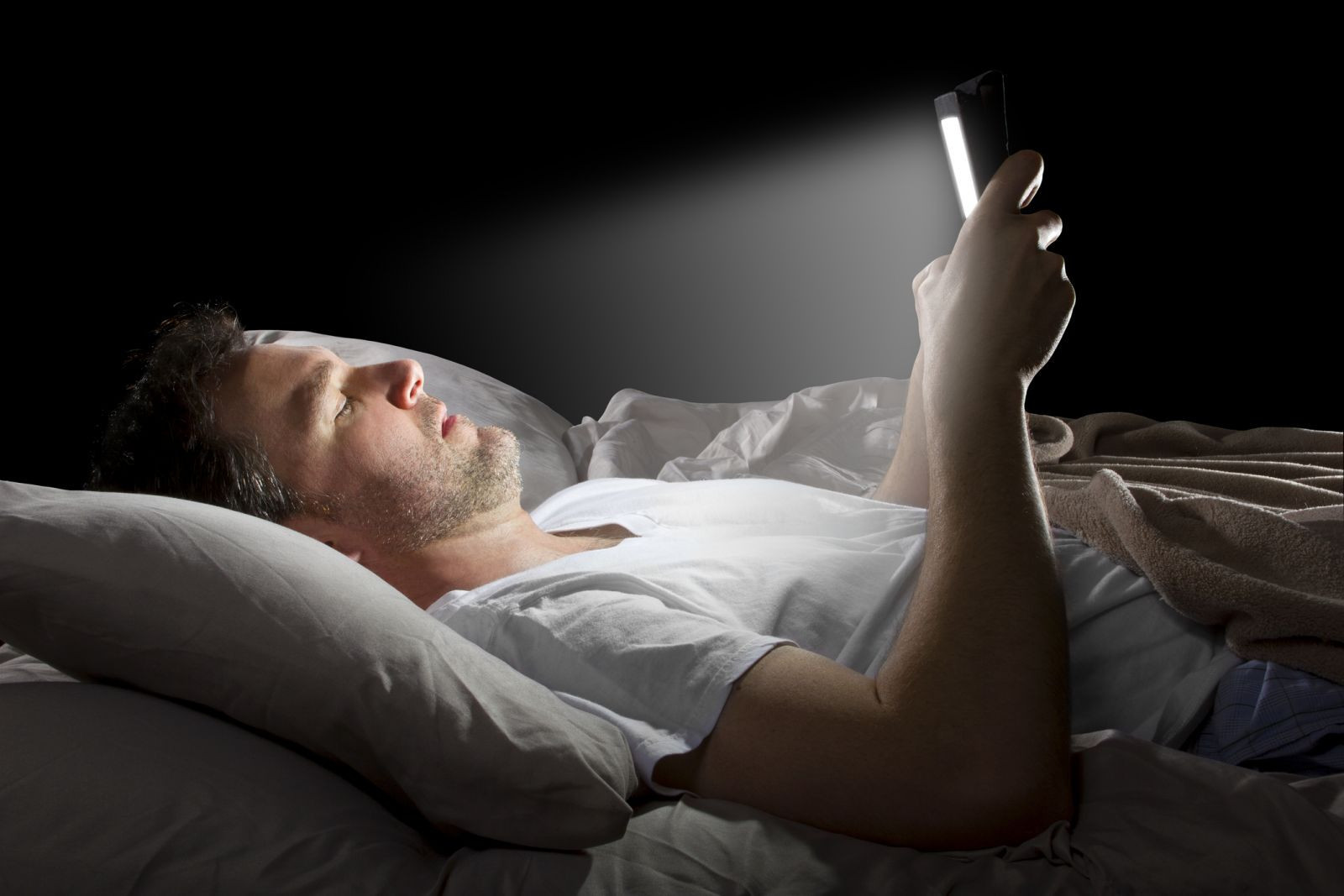
One of the main concerns associated with blue light exposure is its impact on sleep quality. Blue light suppresses the production of melatonin, a hormone that regulates our sleep patterns. This means that using electronic devices before bedtime can disrupt our circadian rhythm and make it harder to fall asleep.
Furthermore, excessive exposure to blue light has been linked to digital eye strain, which can cause symptoms such as dry eyes, blurred vision, headaches, and neck pain. Prolonged exposure to blue light may also contribute to long-term eye damage and increase the risk of developing age-related macular degeneration.
To reduce the negative effects of blue light on your health, consider taking the following precautions:
- Limit screen time before bedtime and use “night mode” settings on electronic devices to reduce blue light emission.
- Take regular breaks from screens to give your eyes a rest and prevent digital eye strain.
- Invest in blue-light-blocking glasses or screen filters to minimize your exposure to harmful blue light.
- Ensure adequate lighting in your workspace to reduce the strain on your eyes when using electronic devices.
By being mindful of your exposure to blue light and taking steps to protect yourself, you can help safeguard your eye health and improve your overall well-being.
6 Essential Tips to Manage Blue Light for Better Sleep and Eye Health
- Limit screen time before bed to improve sleep quality
- Use blue-light blocking glasses when using screens in the evening
- Adjust device settings to reduce blue light emission
- Take regular breaks from screen time to rest your eyes
- Increase exposure to natural light during the day
- Consider using software or apps that reduce blue light from screens
Limit screen time before bed to improve sleep quality
Limiting screen time before bed is a simple yet effective tip to improve sleep quality. The blue light emitted by electronic devices can disrupt the production of melatonin, making it difficult to fall asleep and negatively affecting our circadian rhythm. By reducing screen time before bedtime and avoiding exposure to blue light, we can help our bodies naturally wind down and prepare for a restful night’s sleep. This small adjustment can make a significant difference in the quality of our sleep and overall well-being.
Use blue-light blocking glasses when using screens in the evening
Using blue-light blocking glasses when using screens in the evening can be a beneficial way to reduce the negative impact of blue light on your sleep quality and eye health. These specialized glasses help filter out a portion of the blue light emitted by electronic devices, allowing for a more comfortable viewing experience and minimizing the disruption to your circadian rhythm. By incorporating this simple habit into your evening routine, you can protect your eyes from digital strain and improve the quality of your sleep for overall well-being.
Adjust device settings to reduce blue light emission
Adjusting device settings to reduce blue light emission can have a significant impact on your overall health and well-being. By enabling features such as “night mode” or “blue light filter” on your electronic devices, you can minimize the amount of blue light that reaches your eyes, especially during evening hours. This simple adjustment can help regulate your sleep-wake cycle, improve the quality of your sleep, and reduce digital eye strain. Making this small change to your device settings can make a big difference in protecting your eyes and promoting better sleep habits.
Take regular breaks from screen time to rest your eyes
Taking regular breaks from screen time is a crucial tip to protect your eye health and prevent digital eye strain caused by blue light exposure. By giving your eyes a rest from the constant glare of screens, you can reduce the strain on your eye muscles and alleviate symptoms such as dryness, blurred vision, and headaches. Incorporating short breaks into your screen time routine allows your eyes to refocus and relax, promoting better overall eye health and reducing the risk of long-term damage from prolonged exposure to blue light.
Increase exposure to natural light during the day
Increasing exposure to natural light during the day can help regulate your circadian rhythm and reduce the negative impact of artificial blue light on your health. Natural light exposure during the day can boost your mood, improve your energy levels, and enhance your overall well-being. By spending time outdoors or near windows with natural light, you can help maintain a healthy sleep-wake cycle and minimize the disruption caused by excessive blue light exposure from electronic devices.
Consider using software or apps that reduce blue light from screens
Consider using software or apps that reduce blue light from screens as a practical solution to minimize the negative impact of blue light on your health. These tools adjust the color temperature of your device’s display to emit warmer tones, reducing the amount of blue light emitted. By incorporating such software or apps into your electronic devices, you can help protect your eyes, improve your sleep quality, and mitigate the potential adverse effects of prolonged exposure to blue light.