The Connection Between Melatonin and REM Sleep
REM (rapid eye movement) sleep is a crucial stage of the sleep cycle that is associated with dreaming, memory consolidation, and overall cognitive function. During REM sleep, our brains are highly active, and our bodies experience temporary paralysis to prevent us from acting out our dreams.
Melatonin is a hormone produced by the pineal gland in response to darkness, helping regulate our sleep-wake cycles. It plays a vital role in signaling to our bodies when it’s time to sleep and when it’s time to wake up. Melatonin levels typically rise in the evening as it gets dark, promoting relaxation and drowsiness.
Research suggests that melatonin may also have an impact on REM sleep. Studies have shown that melatonin supplementation can increase the amount of time spent in REM sleep, leading to enhanced dream activity and potentially improving overall sleep quality.
However, it’s essential to note that melatonin should be used cautiously and under the guidance of a healthcare professional. While melatonin is generally considered safe for short-term use, long-term effects are still being studied. Additionally, individual responses to melatonin supplementation can vary, so it’s crucial to find the right dosage and timing that works best for you.
In conclusion, melatonin plays a significant role in regulating our sleep-wake cycles and may have a positive impact on REM sleep. By understanding how melatonin influences our sleep patterns, we can potentially improve our overall restorative sleep quality and enhance cognitive function during the day.
9 Effective Tips to Boost Melatonin and Enhance REM Sleep
- Maintain a consistent sleep schedule to enhance melatonin production.
- Create a relaxing bedtime routine to signal your body that it’s time to sleep.
- Avoid exposure to bright lights, especially blue light from screens, before bedtime.
- Keep your bedroom dark and quiet to promote the release of melatonin for REM sleep.
- Limit caffeine and alcohol intake, as they can interfere with melatonin production.
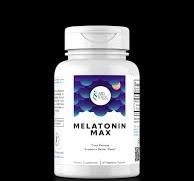
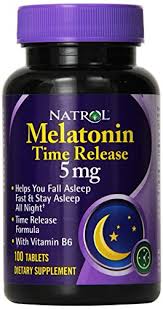
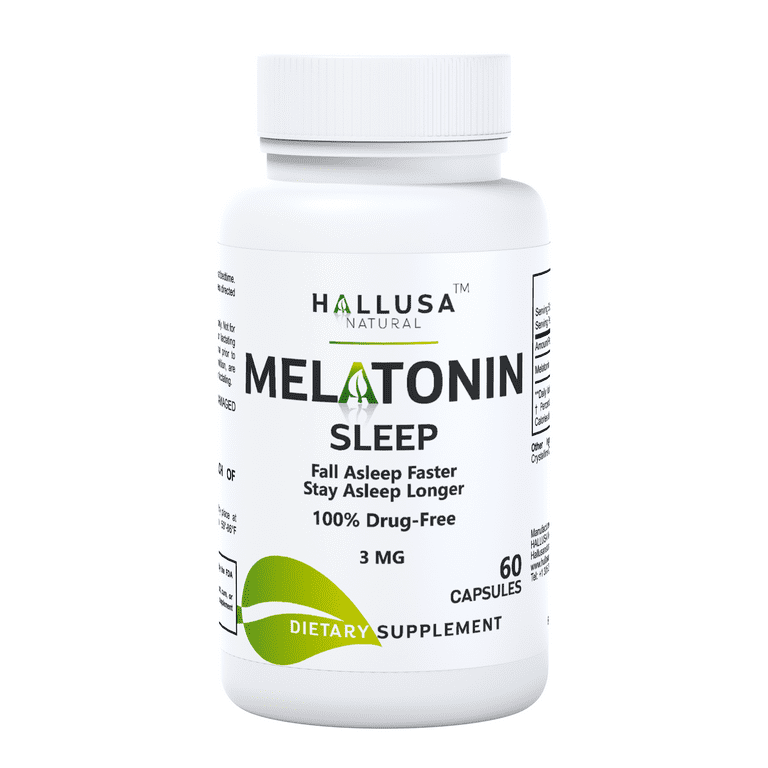
- Consider taking a melatonin supplement under medical guidance if needed for REM sleep improvement.
- Engage in regular exercise during the day to support healthy sleep patterns and melatonin release at night.
- Manage stress levels through relaxation techniques like meditation or deep breathing exercises.
- Consult a healthcare provider if you have persistent issues with REM sleep despite trying these tips.
Maintain a consistent sleep schedule to enhance melatonin production.
Maintaining a consistent sleep schedule is a key tip to enhance melatonin production and improve REM sleep quality. By going to bed and waking up at the same time every day, our bodies establish a routine that helps regulate melatonin levels effectively. This consistency signals to our internal clock when it’s time to release melatonin, promoting relaxation and preparing us for restful sleep. By prioritizing a regular sleep schedule, we support our body’s natural production of melatonin, ultimately enhancing our overall sleep experience and optimizing the benefits of REM sleep for cognitive function and well-being.
Create a relaxing bedtime routine to signal your body that it’s time to sleep.
Creating a relaxing bedtime routine is a helpful tip to signal your body that it’s time to sleep and can positively impact your REM sleep. Engaging in calming activities such as reading a book, taking a warm bath, or practicing gentle yoga before bed can help reduce stress and promote relaxation, allowing your body to naturally increase melatonin production. By establishing a consistent bedtime routine, you can train your body to associate these relaxing activities with sleep, making it easier to transition into restful slumber and potentially enhance the quality of your REM sleep.
Avoid exposure to bright lights, especially blue light from screens, before bedtime.
Exposure to bright lights, particularly blue light emitted from screens, before bedtime can disrupt the body’s natural production of melatonin, impacting REM sleep. Blue light suppresses melatonin production, making it harder to fall asleep and reducing the quality of REM sleep. To optimize your sleep and enhance REM cycles, it is advisable to limit screen time and exposure to bright lights in the hours leading up to bedtime. Creating a relaxing environment with dim lighting can help signal to your body that it’s time to wind down and prepare for restorative sleep.
Keep your bedroom dark and quiet to promote the release of melatonin for REM sleep.
To optimize the release of melatonin for REM sleep, it is essential to keep your bedroom dark and quiet. Light exposure can suppress melatonin production, so creating a dark environment signals to your body that it’s time to rest and promotes the onset of REM sleep. Additionally, reducing noise levels in your bedroom can help you stay asleep longer and experience more uninterrupted REM cycles, leading to a more restful and rejuvenating night’s sleep. By prioritizing a dark and quiet sleep environment, you can support the natural release of melatonin and enhance the quality of your REM sleep for overall well-being.
Limit caffeine and alcohol intake, as they can interfere with melatonin production.
Limiting caffeine and alcohol intake is crucial for optimizing melatonin production and promoting healthy REM sleep. Caffeine, a stimulant found in coffee, tea, and energy drinks, can disrupt the body’s natural sleep-wake cycle and inhibit melatonin production, making it harder to fall asleep and stay asleep. Similarly, alcohol may initially induce drowsiness but can disrupt the quality of REM sleep later in the night. By reducing consumption of caffeine and alcohol, individuals can support their body’s natural melatonin production, leading to improved sleep quality and overall well-being.
Consider taking a melatonin supplement under medical guidance if needed for REM sleep improvement.
Consider taking a melatonin supplement under medical guidance if needed for REM sleep improvement. Melatonin supplementation, when used appropriately and under the supervision of a healthcare professional, may help enhance the duration and quality of REM sleep. Consulting with a medical provider can ensure that the dosage and timing of melatonin intake are tailored to your individual needs, maximizing the potential benefits for improving your overall sleep patterns and cognitive function.
Engage in regular exercise during the day to support healthy sleep patterns and melatonin release at night.
Engaging in regular exercise during the day can have a positive impact on your sleep patterns and the release of melatonin at night. Physical activity helps regulate your body’s internal clock, promoting a more consistent sleep-wake cycle. Exercise also contributes to the production of endorphins, which can help reduce stress and anxiety, leading to improved relaxation and better sleep quality. By incorporating regular exercise into your daily routine, you can support healthy melatonin release, enhance your overall sleep experience, and wake up feeling refreshed and rejuvenated each morning.
Manage stress levels through relaxation techniques like meditation or deep breathing exercises.
To optimize melatonin production and promote healthy REM sleep, it is beneficial to manage stress levels through relaxation techniques such as meditation or deep breathing exercises. By incorporating these practices into your daily routine, you can calm the mind, reduce cortisol levels, and create a more conducive environment for restful sleep. Engaging in relaxation techniques not only helps improve the quality of your sleep but also enhances overall well-being by promoting a sense of peace and tranquility.
Consult a healthcare provider if you have persistent issues with REM sleep despite trying these tips.
If you continue to experience persistent issues with REM sleep despite implementing various strategies, it is advisable to consult a healthcare provider. Seeking guidance from a healthcare professional can help identify underlying causes contributing to disrupted REM sleep and determine the most appropriate course of action to address your specific needs. A healthcare provider can offer personalized advice, conduct further assessments if necessary, and recommend tailored interventions to improve the quality and duration of your REM sleep. It is essential to prioritize your sleep health and seek expert assistance when needed to achieve better overall well-being.