Insomnia Due to Stress: Understanding the Connection
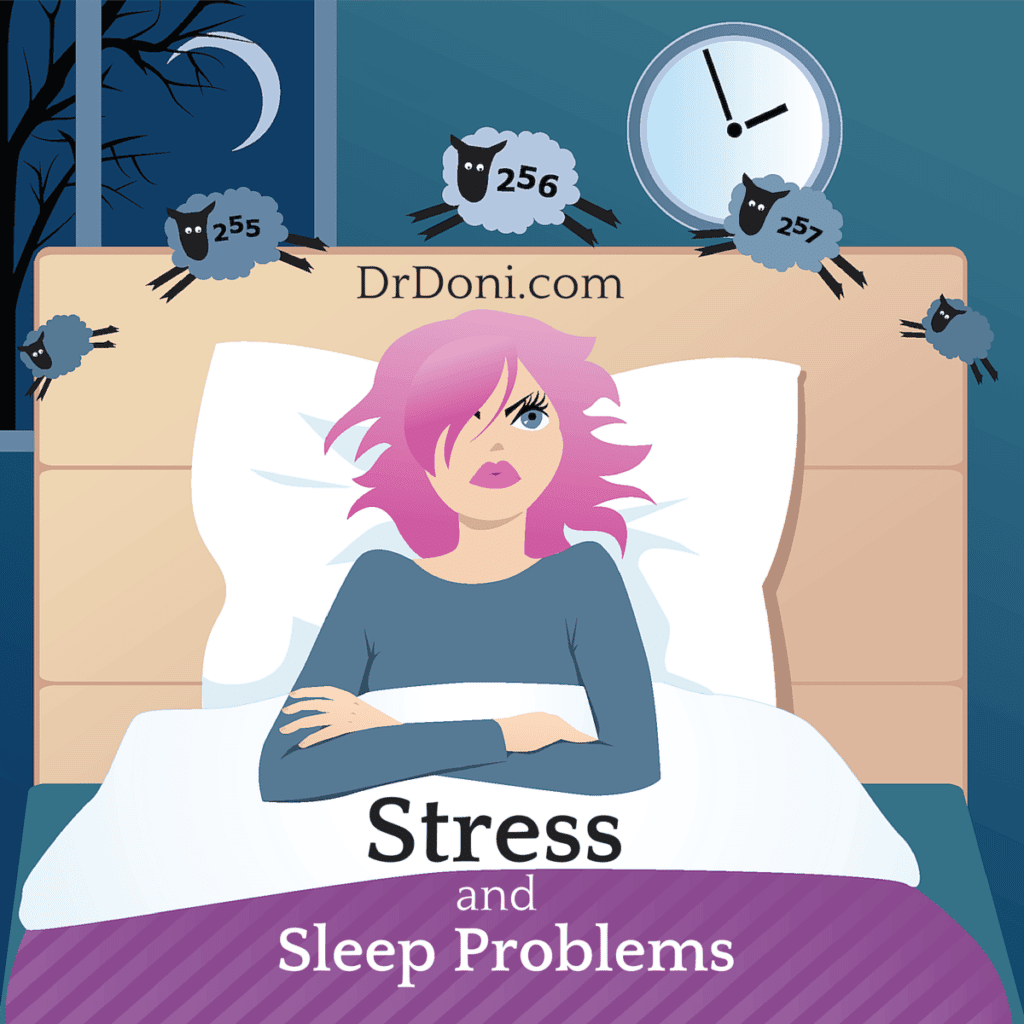
Insomnia, the inability to fall asleep or stay asleep, is a common sleep disorder that affects millions of people worldwide. While there are various factors that can contribute to insomnia, one significant cause is stress. Stress and insomnia often go hand in hand, creating a vicious cycle that can be challenging to break.
When we experience stress, our bodies release cortisol, also known as the stress hormone. Elevated levels of cortisol can disrupt our natural sleep-wake cycle, making it difficult to relax and fall asleep. Additionally, stress can lead to racing thoughts, anxiety, and muscle tension, further exacerbating insomnia symptoms.
It’s essential to recognize the impact of stress on our sleep patterns and overall well-being. Chronic insomnia due to stress can have detrimental effects on our physical health, mental clarity, and emotional stability. Lack of quality sleep can weaken the immune system, increase the risk of chronic conditions like heart disease and diabetes, and impair cognitive function.
Managing stress is key to improving sleep quality and breaking the cycle of insomnia. Incorporating relaxation techniques such as deep breathing exercises, meditation, or gentle yoga before bedtime can help calm the mind and prepare the body for restful sleep. Creating a bedtime routine that promotes relaxation and winding down can signal to your body that it’s time to sleep.
In addition to lifestyle changes, seeking professional help from a healthcare provider or therapist may be beneficial for addressing underlying stressors contributing to insomnia. Cognitive-behavioral therapy for insomnia (CBT-I) is a structured program that helps individuals identify and change negative thought patterns and behaviors associated with sleep difficulties.
By understanding the connection between stress and insomnia and taking proactive steps to manage stress effectively, you can improve your sleep quality and overall well-being. Prioritizing self-care, practicing relaxation techniques, and seeking support when needed are essential strategies for breaking free from the grip of insomnia caused by stress.
5 Effective Tips to Combat Stress-Induced Insomnia
- Practice relaxation techniques before bedtime, such as deep breathing or meditation.
- Establish a consistent sleep schedule by going to bed and waking up at the same time every day.
- Limit screen time before bed as the blue light can interfere with your sleep cycle.
- Create a calming bedtime routine to signal to your body that it’s time to wind down.
- Consider talking to a therapist or counselor to address and manage the underlying stress causing your insomnia.
Practice relaxation techniques before bedtime, such as deep breathing or meditation.
To combat insomnia caused by stress, it is recommended to incorporate relaxation techniques into your bedtime routine. Engaging in practices like deep breathing exercises or meditation can help calm the mind and body, preparing you for a restful night’s sleep. By focusing on these relaxation techniques before bedtime, you can reduce stress levels, quiet racing thoughts, and create a peaceful environment conducive to falling asleep and staying asleep throughout the night.
Establish a consistent sleep schedule by going to bed and waking up at the same time every day.
Establishing a consistent sleep schedule by going to bed and waking up at the same time every day can be a powerful strategy for managing insomnia caused by stress. Maintaining a regular sleep routine helps regulate your body’s internal clock, known as the circadian rhythm, promoting better sleep quality and overall well-being. By setting a consistent bedtime and wake-up time, you train your body to anticipate rest and wakefulness at specific times, making it easier to fall asleep and wake up refreshed. This simple yet effective tip can create a sense of stability and predictability in your sleep patterns, reducing stress levels and improving your ability to achieve restful sleep.
Limit screen time before bed as the blue light can interfere with your sleep cycle.
Limiting screen time before bed is a crucial tip for managing insomnia caused by stress. The blue light emitted from electronic devices can disrupt the production of melatonin, the hormone responsible for regulating our sleep-wake cycle. By reducing exposure to screens before bedtime, we can help our bodies naturally prepare for sleep and improve the quality of our rest. Implementing this simple yet effective practice can make a significant difference in promoting better sleep hygiene and combating the negative effects of stress-induced insomnia.
Create a calming bedtime routine to signal to your body that it’s time to wind down.
Creating a calming bedtime routine is a powerful strategy to combat insomnia caused by stress. By establishing a consistent routine that includes relaxing activities such as reading a book, taking a warm bath, or practicing gentle stretches, you can signal to your body that it’s time to wind down and prepare for sleep. This deliberate transition helps quiet the mind, reduce stress levels, and promote relaxation, setting the stage for a restful night’s sleep.
Consider talking to a therapist or counselor to address and manage the underlying stress causing your insomnia.
Consider talking to a therapist or counselor to address and manage the underlying stress causing your insomnia. Seeking professional help can provide valuable insights and strategies to cope with stress more effectively, ultimately improving your sleep quality. A therapist or counselor can help you identify the root causes of your stress, develop healthy coping mechanisms, and work through any emotional challenges that may be contributing to your insomnia. By addressing the underlying issues with the guidance of a mental health professional, you can take proactive steps towards breaking the cycle of stress-induced insomnia and achieving a better night’s sleep.