Vitamin D and Melatonin: What’s the Connection?
Vitamin D and melatonin are both linked to health and sleep, but they play different roles in the body. Vitamin D supports functions such as bone health and calcium absorption. Melatonin is a hormone that helps regulate the body’s sleep-wake timing. Because research has explored how each relates to sleep, people sometimes wonder whether taking vitamin D can increase melatonin or improve sleep.
What Vitamin D Does
The body makes vitamin D when skin is exposed to sunlight, and it can also come from certain foods and supplements. Vitamin D helps the body absorb calcium and supports bone and muscle health. It also has roles in immune function.
Research has found associations between low vitamin D levels and some sleep problems. However, an association does not prove that low vitamin D causes poor sleep—or that taking a supplement will resolve it. Studies of vitamin D supplements and sleep have produced mixed results.
What Melatonin Does
Melatonin is a hormone produced mainly by the brain’s pineal gland. Its levels typically rise in the evening as it gets dark, helping signal that it is time to sleep. Light exposure, especially bright light at night, can affect this daily pattern.
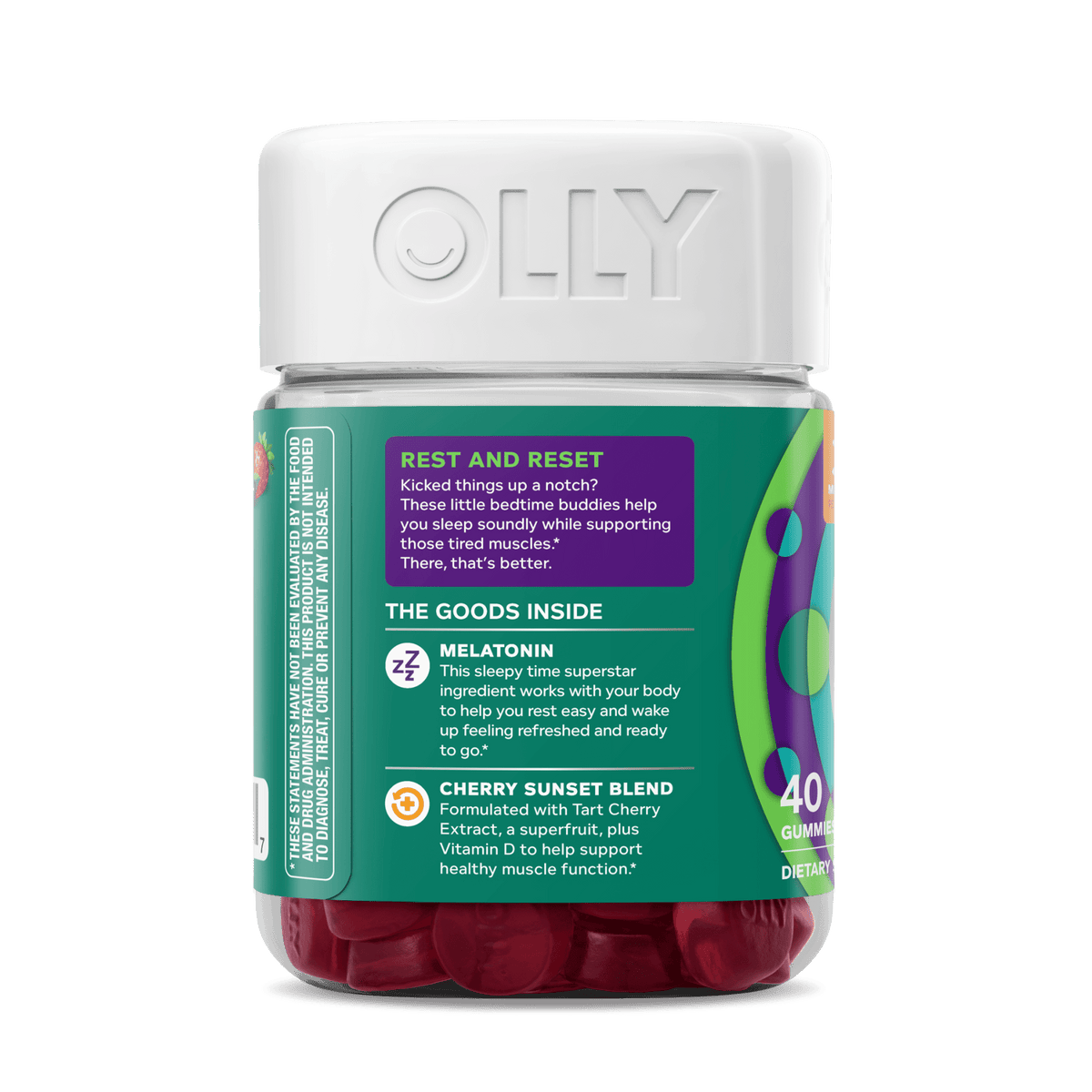
Melatonin supplements may help with certain sleep-timing concerns, such as jet lag or a delayed sleep schedule. They are not a general cure for insomnia, and their effects can depend on the dose and timing. In the United States, melatonin is sold as a dietary supplement, so product quality and labeling may vary.
Does Vitamin D Increase Melatonin?
Vitamin D and melatonin are both involved in processes that researchers study in relation to sleep and the body’s daily rhythms. But there is not strong evidence that vitamin D supplements reliably increase melatonin levels or act as a substitute for melatonin. Nor is there enough evidence to recommend vitamin D specifically as a sleep treatment for people who do not have a deficiency.
If a blood test shows low vitamin D, a health care professional may recommend a supplement to address that deficiency. Correcting a deficiency is important for health, but sleep may not improve—and any improvement should not be assumed to result from higher melatonin.
Can You Take Vitamin D and Melatonin Together?
There is no widely recognized direct interaction between vitamin D and melatonin, but that does not mean the combination is right for everyone. The appropriate choice depends on your health, medications, age, and the reason you are considering each supplement. Ask a doctor or pharmacist before starting them, particularly if you are pregnant or breastfeeding, have a chronic health condition, or take prescription medications.
Taking too much vitamin D can be harmful. High doses over time may cause excessive calcium in the blood and lead to problems such as nausea, weakness, confusion, kidney stones, or kidney damage. Melatonin can cause side effects such as daytime sleepiness, dizziness, or headache, and it may interact with some medicines. Follow professional guidance and the product label rather than assuming that more is better.
Better First Steps for Sleep
For many people, consistent habits can support healthy sleep:
- Keep a regular sleep and wake schedule, including on weekends.
- Get daylight during the day and reduce bright light in the evening.
- Make the bedroom dark, quiet, and comfortable.
- Limit caffeine later in the day and avoid relying on alcohol to fall asleep.
- Talk with a health care professional about persistent sleep problems, loud snoring, or significant daytime sleepiness.
The Bottom Line
Vitamin D and melatonin have different functions, and current evidence does not show that vitamin D reliably boosts melatonin or treats sleep problems. Vitamin D supplements may be appropriate when a deficiency is identified, while melatonin may be useful for some specific sleep-timing issues. For ongoing sleep difficulties or questions about supplements, seek guidance from a health care professional.
8 Tips for Using Vitamin D and Melatonin Safely
- Get vitamin D mainly from sunlight, food, or a clinician-recommended supplement.
- Take vitamin D with a meal that contains fat for better absorption.
- Ask a clinician whether a vitamin D blood test is appropriate.
- Avoid high-dose vitamin D unless a clinician recommends it.
- Melatonin may help with jet lag or shifting sleep schedules.
- Take melatonin shortly before your planned bedtime, following the label.
- Use the lowest effective melatonin dose for a short time.
- Ask a clinician before using either supplement with medicines or during pregnancy.
Get vitamin D mainly from sunlight, food, or a clinician-recommended supplement.
Get vitamin D primarily through a balanced mix of sunlight, foods such as fatty fish, fortified milk, and fortified cereals, and supplements when recommended by a health care professional. Sun exposure can help your body make vitamin D, but the amount varies, and excessive exposure increases skin cancer risk, so don’t use unprotected sun exposure as a treatment. Vitamin D supports overall health, but it isn’t a substitute for melatonin or a proven sleep aid.
Take vitamin D with a meal that contains fat for better absorption.
Take vitamin D with a meal or snack that contains some fat to help your body absorb it, since vitamin D is fat-soluble. The amount of fat doesn’t need to be large, and foods such as eggs, yogurt, avocado, nuts, or olive oil can fit the bill. This tip applies to vitamin D supplements; it does not mean vitamin D boosts melatonin or should be used as a sleep aid.
Ask a clinician whether a vitamin D blood test is appropriate.
If you’re wondering whether vitamin D could be affecting your health or sleep, ask a clinician whether a vitamin D blood test is appropriate for you. Testing can help identify a deficiency and guide whether supplementation is needed, since routine testing and supplements aren’t right for everyone. Avoid taking high doses of vitamin D without medical guidance.
Avoid high-dose vitamin D unless a clinician recommends it.
Avoid taking high-dose vitamin D unless a health care professional recommends it. More is not necessarily better: excessive vitamin D can cause harmful calcium buildup and lead to nausea, weakness, kidney stones, or kidney damage. If you’re considering vitamin D for sleep or wondering how it relates to melatonin, ask a clinician whether testing or supplementation is appropriate for you, and follow their advice on dosage.
Melatonin may help with jet lag or shifting sleep schedules.
Melatonin may help your body adjust when travel across time zones or a change in routine shifts your sleep schedule. It works best when taken at an appropriate time for your destination or desired bedtime, so ask a health care professional or pharmacist for guidance—especially if you take medications, have a health condition, or are considering it for a child.
Take melatonin shortly before your planned bedtime, following the label.
Take melatonin shortly before your planned bedtime, following the product label or your health care professional’s instructions. Timing matters because melatonin helps signal that it’s time to sleep, but the right dose and timing can vary. Avoid taking more than directed, and check with a health care professional or pharmacist if you take other medications or have questions about using melatonin alongside vitamin D.
Use the lowest effective melatonin dose for a short time.
If you’re considering melatonin, use the lowest dose that helps and take it for a short time unless a health care professional recommends otherwise. Higher doses aren’t necessarily more effective and may increase side effects, such as next-day grogginess or dizziness. Melatonin is different from vitamin D and does not replace treatment for a vitamin D deficiency; ask a doctor or pharmacist about safe use, especially if you take other medications or have a health condition.
Ask a clinician before using either supplement with medicines or during pregnancy.
Before taking vitamin D or melatonin, ask a clinician or pharmacist—especially if you use prescription or over-the-counter medicines, since supplements can affect how some drugs work. Get medical guidance before using either supplement during pregnancy or while breastfeeding, too. A clinician can help determine whether a supplement is appropriate and recommend a safe dose for your situation.