Stress and Insomnia: Understanding the Connection
Stress and sleep are closely connected. A demanding day, a major life change, or ongoing worries can make it harder to fall asleep, stay asleep, or feel rested in the morning. In turn, poor sleep can make everyday challenges feel more difficult, creating a cycle that affects mood, focus, and overall well-being.
How Stress Can Disrupt Sleep
When you feel stressed, your body’s natural alert system becomes more active. Your thoughts may race, your muscles may feel tense, or you may notice a faster heartbeat. These responses can be useful when you need to react to an immediate challenge, but they can interfere with winding down at bedtime.
Stress can affect sleep in several ways:
- Trouble falling asleep: Worrying or mentally rehearsing problems can keep your mind active.
- Waking during the night: Stress may make sleep lighter or more fragmented.
- Waking too early: Some people wake before they have had enough rest and find it difficult to fall back asleep.
- Feeling unrefreshed: Even time spent in bed may not feel restorative when sleep is disrupted.
How Insomnia Can Increase Stress
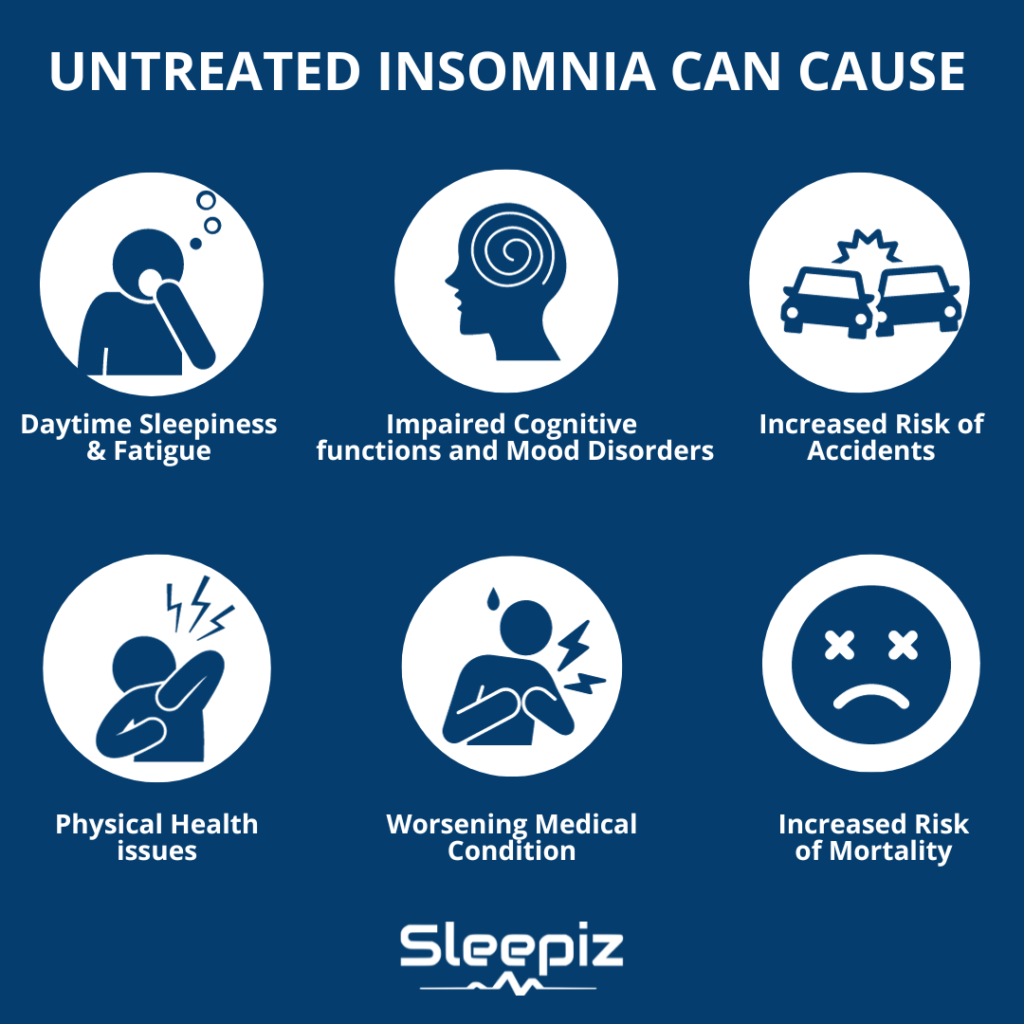
A poor night’s sleep can make it harder to concentrate, manage emotions, and solve problems. You may feel more irritable or less able to cope with routine demands. Worrying about whether you will sleep the next night can add pressure at bedtime, which may make sleep even more difficult.
Occasional sleeplessness is common. Insomnia becomes a concern when difficulty sleeping happens regularly and affects daytime functioning. A health care professional can help assess ongoing sleep problems and identify possible causes.
Practical Ways to Support Better Sleep
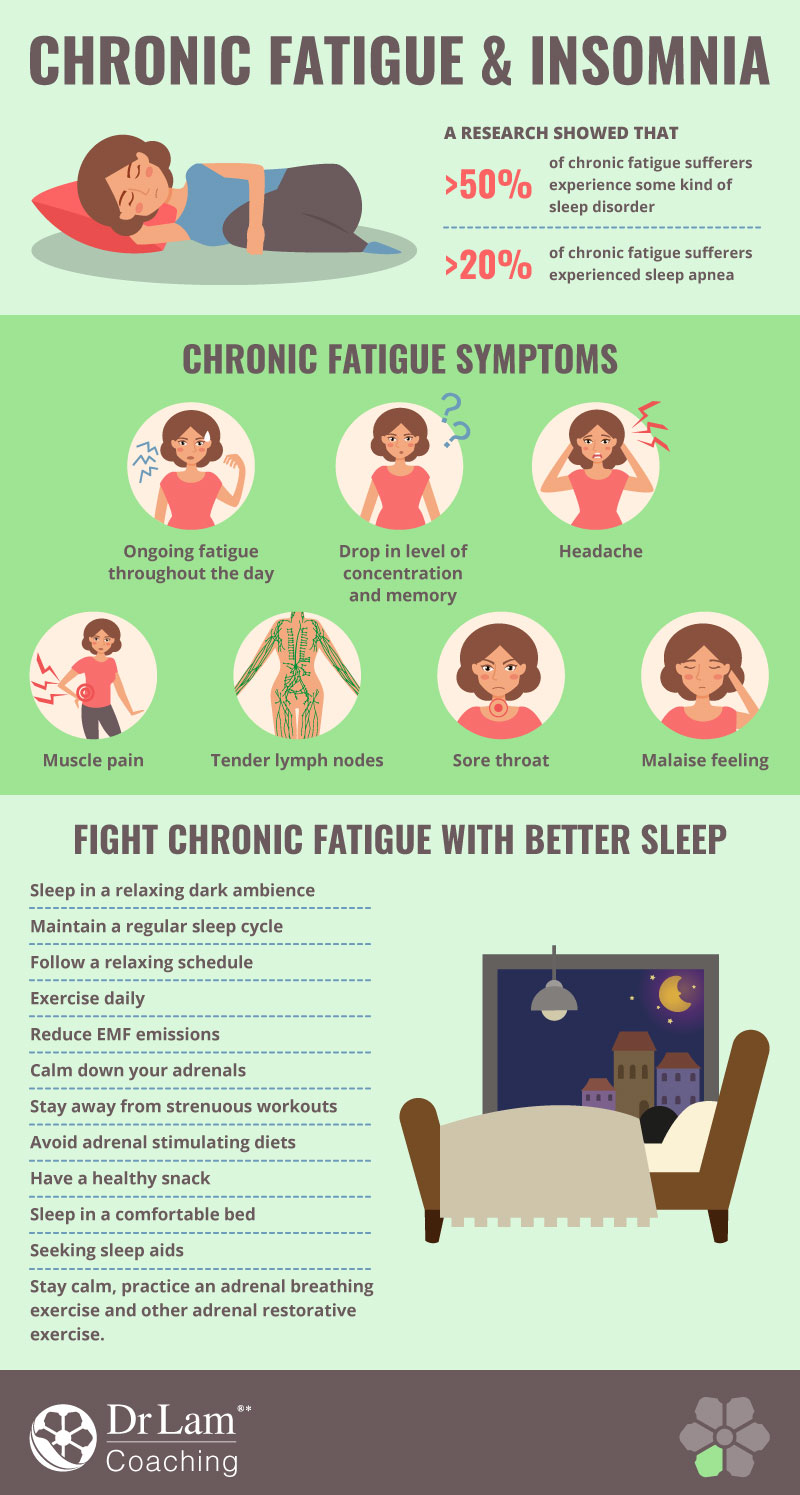
Small, consistent changes can help create conditions that are more supportive of sleep. These strategies are not a substitute for medical care, but they can be a useful starting point:
- Keep a regular schedule. Try to get up at about the same time each day, including weekends.
- Create a wind-down routine. Set aside time for a calming activity, such as reading, gentle stretching, or listening to quiet music.
- Write down worries. Making a short to-do list or noting concerns earlier in the evening may help reduce problem-solving in bed.
- Make your bedroom comfortable. A cool, dark, and quiet environment may support better rest.
- Watch caffeine and alcohol. Caffeine can interfere with sleep, especially later in the day. Alcohol may make you feel sleepy at first, but it can disrupt sleep later in the night.
- Use the bed mainly for sleep. If you are awake and becoming frustrated, consider getting up for a quiet activity in dim light. Return to bed when you feel sleepy.
- Practice stress-management techniques. Slow breathing, mindfulness, or progressive muscle relaxation may help some people feel calmer.
When to Seek Help
Consider speaking with a health care professional if sleep difficulties persist, affect your daily life, or occur alongside significant anxiety, low mood, pain, or other symptoms. Seek advice before using sleep medications or supplements, as they may have side effects or interact with other treatments.
Cognitive behavioral therapy for insomnia (CBT-I) is a structured, evidence-based treatment that can help people change thoughts and behaviors that keep insomnia going. A clinician can help determine whether it may be appropriate for you and discuss other possible causes of sleep problems.
A More Manageable Night
Stress-related sleep problems can feel discouraging, but they are common and often treatable. Rather than trying to force sleep, focus on steady routines, ways to manage stress, and getting professional support when needed. Improvement may take time, so patience and consistency matter.
6 Tips to Ease Stress and Sleep Better
- Keep a consistent sleep and wake time.
- Wind down with a calming routine before bed.
- Try slow breathing to ease stress.
- Limit caffeine in the afternoon and evening.
- Keep your bedroom cool, dark, and quiet.
- If sleep problems persist, talk with a healthcare professional.
Keep a consistent sleep and wake time.
Keeping a consistent sleep and wake time—even on weekends—can help regulate your body’s internal clock and make it easier to feel sleepy at bedtime and alert in the morning. A steady routine may also reduce the stress of unpredictable nights by giving your day a more reliable rhythm. Choose a schedule that allows enough time for sleep, and adjust it gradually if needed.
Wind down with a calming routine before bed.
Create a calming routine before bed to help signal to your body that it’s time to slow down. Try setting aside 20 to 30 minutes for relaxing activities, such as reading, taking a warm bath, doing gentle stretches, or practicing slow breathing. Keep the routine simple and consistent, and limit bright screens and stimulating tasks during this time. A peaceful wind-down can ease stress and make it easier to settle into sleep.
Try slow breathing to ease stress.
Try slow breathing to ease stress before bed or whenever your thoughts feel overwhelming. Breathe in gently through your nose, then exhale slowly, letting your shoulders and jaw relax. Repeat for a few minutes without forcing your breath or worrying about doing it perfectly. This calming practice may help quiet your mind and prepare your body for rest, though it isn’t a substitute for professional care if insomnia persists.
Limit caffeine in the afternoon and evening.
Limiting caffeine in the afternoon and evening can make it easier to unwind and fall asleep. Caffeine is a stimulant that may keep you alert for hours, even after you no longer feel its effects. If stress already has your mind racing, coffee, tea, energy drinks, and some sodas later in the day may add to the difficulty. Try switching to water or a caffeine-free drink, and notice whether the change helps you sleep more soundly.
Keep your bedroom cool, dark, and quiet.
Keep your bedroom cool, dark, and quiet to create an environment that supports restful sleep. Consider adjusting the thermostat, using blackout curtains or an eye mask, and reducing noise with earplugs or a white-noise machine. A comfortable, peaceful space may help you unwind, feel less distracted by stress, and settle into sleep more easily.
If sleep problems persist, talk with a healthcare professional.
If sleep problems persist or begin to affect your daily life, talk with a healthcare professional. They can help identify possible causes, recommend appropriate treatment, and discuss options such as cognitive behavioral therapy for insomnia (CBT-I). Getting support can help you address sleep difficulties safely and find an approach that fits your needs.