Melatonin and Inflammation: What the Evidence Says
Melatonin is best known as a hormone that helps regulate the body’s sleep-wake cycle. It is produced mainly by the brain’s pineal gland in response to darkness, though smaller amounts are also made in other tissues. Researchers have also studied melatonin for its possible effects on inflammation. The findings are interesting, but they do not mean melatonin supplements are a proven treatment for inflammatory conditions.
How melatonin may affect inflammation
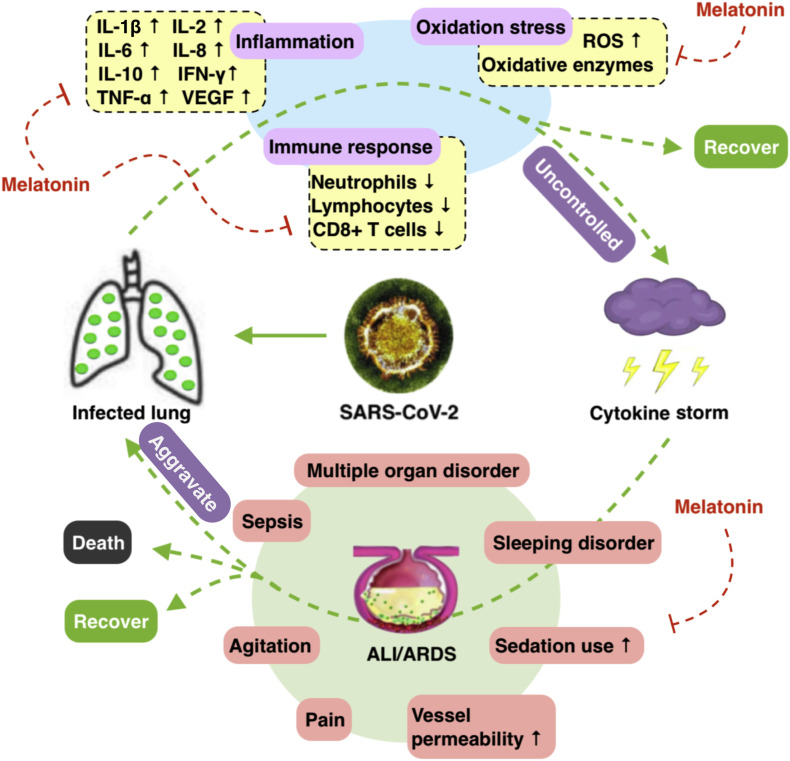
Inflammation is part of the immune system’s normal response to infection or injury. It becomes a concern when it is excessive, prolonged, or directed at the body’s own tissues. In laboratory and animal studies, melatonin has shown several effects that could influence inflammatory processes. It may help neutralize certain reactive molecules, affect signaling pathways involved in inflammation, and influence the activity of some immune cells.
These effects have led scientists to investigate melatonin in conditions involving inflammation. However, results from cells or animals do not necessarily predict what will happen in people. The amount of melatonin used in experiments may also differ from typical supplement doses.
What human research shows
Clinical research has examined melatonin in a range of settings, including sleep disorders and some inflammatory or critical illnesses. Some studies report changes in inflammatory markers or other health outcomes, while others find limited or inconsistent effects. The studies can differ substantially in their participants, doses, treatment duration, and methods, making results difficult to compare.
At this point, evidence does not establish melatonin as a general anti-inflammatory treatment, nor does it show that supplements can replace therapies prescribed for conditions such as arthritis, inflammatory bowel disease, or autoimmune disorders. Any potential benefit appears to depend on the condition and requires further study.
Sleep, circadian rhythms, and inflammation
Melatonin’s clearest established role is signaling nighttime to the body. Sleep and circadian rhythms interact with immune function, and ongoing sleep disruption may affect processes related to inflammation. This does not mean that taking melatonin will necessarily reduce inflammation. It may help some people with certain sleep-timing problems, but improving sleep and treating inflammation are not the same thing.
Melatonin supplements: safety considerations
Melatonin supplements can cause side effects such as sleepiness, dizziness, headache, or nausea. They may also interact with medicines, including some that affect blood clotting, blood pressure, blood sugar, or immune function. Supplement quality and the amount in a product can vary.
Before using melatonin—especially regularly, at higher doses, or alongside other medicines—talk with a health care professional. This is particularly important for people who are pregnant or breastfeeding, have a chronic health condition, or take prescription medications. Do not stop or change prescribed treatment for an inflammatory condition without medical guidance.
The bottom line
Melatonin has biological effects that may influence inflammation, and early research offers reasons for further study. But evidence in people is not strong or consistent enough to consider melatonin a proven anti-inflammatory remedy. For now, it is best understood primarily as a hormone involved in sleep timing, with possible additional effects still being investigated.
7 Potential Benefits of Melatonin: From Sleep Support to Inflammation Management
- May support healthy sleep timing.
- Could help regulate circadian rhythms.
- Has antioxidant properties studied in research.
- May influence immune signaling.
- Could affect inflammatory pathways.
- Is being studied for potential health benefits.
- May support sleep in some people with circadian rhythm issues.
Considerations and Cautions: Melatonin’s Role in Inflammation and Potential Side Effects
- Evidence that melatonin reduces inflammation in people is limited.
- Supplements may cause side effects such as drowsiness or dizziness.
- Melatonin can interact with medications and should not replace prescribed treatment.
May support healthy sleep timing.
Melatonin may support healthy sleep timing by helping signal to the body that it is nighttime. When taken at an appropriate time, it may help some people adjust their sleep schedule, such as when their natural bedtime is later than desired or after travel across time zones. Because sleep and the body’s inflammatory processes are connected, maintaining a regular sleep-wake rhythm may support overall health. However, melatonin is not a proven treatment for inflammation, and timing and suitability can vary from person to person.
Could help regulate circadian rhythms.
Melatonin may help regulate circadian rhythms, the body’s internal timing system that influences sleep and other daily processes. By signaling that it is nighttime, melatonin can support a more regular sleep-wake schedule when timing is disrupted, such as with jet lag or shift work. Since circadian rhythms and sleep are connected to immune activity, keeping a consistent sleep schedule may support overall health; however, melatonin is not a proven treatment for inflammation.
Has antioxidant properties studied in research.
Melatonin has antioxidant properties that have been studied for their potential role in protecting cells from oxidative stress, a process linked to inflammation. Research suggests melatonin may help neutralize certain reactive molecules, but these findings do not mean that melatonin supplements are a proven way to treat inflammation. Further studies in people are needed to clarify whether, and under what conditions, these effects may offer a health benefit.
May influence immune signaling.
Melatonin may influence immune signaling by affecting how certain immune cells communicate and how the body regulates inflammatory responses. Researchers are studying these effects because balanced immune signaling helps the body respond to threats without sustaining unnecessary inflammation. However, much of the evidence comes from laboratory and animal studies, and it is not yet clear whether melatonin supplements meaningfully improve inflammation in people.
Could affect inflammatory pathways.
Melatonin may influence inflammatory pathways involved in the body’s immune response. Laboratory and early-stage research suggests it can affect cell signals that help regulate inflammation, but these findings do not prove that melatonin supplements reduce inflammation or treat inflammatory conditions in people. Further clinical research is needed.
Is being studied for potential health benefits.
Melatonin is being studied for potential health benefits beyond its role in regulating sleep, including its possible effects on inflammation. Early research suggests it may influence some of the body’s inflammatory processes, but findings are still developing and do not establish melatonin as a treatment for inflammatory conditions.
May support sleep in some people with circadian rhythm issues.
Melatonin may support sleep for some people whose circadian rhythm—the body’s internal sleep-wake clock—is out of sync, such as those adjusting to a changed schedule or experiencing certain sleep-timing difficulties. By signaling that it is nighttime, melatonin may help shift sleep timing when used appropriately. Its effects vary, however, and it is not a treatment for inflammation; anyone considering a supplement should consult a health care professional, especially if they take medications or have an ongoing health condition.
Evidence that melatonin reduces inflammation in people is limited.
Although melatonin may influence inflammatory processes, evidence that it meaningfully reduces inflammation in people is limited. Research findings are mixed, and many studies are small or focus on specific health conditions, so they cannot show that melatonin works as a general anti-inflammatory treatment. Melatonin supplements should not replace prescribed care, and anyone considering them for an inflammatory condition should discuss it with a health care professional.
Supplements may cause side effects such as drowsiness or dizziness.
Melatonin supplements may cause side effects, including drowsiness or dizziness, which can affect alertness and coordination. These effects may be more noticeable when starting a supplement, taking a higher dose, or combining it with alcohol or medicines that cause sleepiness. Because melatonin is not a proven treatment for inflammation, talk with a health care professional before using it for this purpose, especially if you take other medications or have a health condition.
Melatonin can interact with medications and should not replace prescribed treatment.
Melatonin can interact with some medications, including drugs that affect blood clotting, blood pressure, blood sugar, or immune function, so it’s important to check with a health care professional before taking it. Although melatonin is being studied for its possible effects on inflammation, it is not a substitute for prescribed treatment. Don’t stop or change medication for an inflammatory condition without guidance from your health care professional.