Stress, Anxiety, and Depression: Understanding the Differences and Finding Support
Stress, anxiety, and depression can affect how people think, feel, and function in daily life. They may occur separately or together, and their symptoms can overlap. Learning how they differ—and when to seek help—can make it easier to find the right support.
What Is Stress?
Stress is the body’s response to a demand, challenge, or perceived threat. A deadline, financial concern, health issue, or major life change can trigger stress. In the short term, stress may increase alertness and help a person respond to a situation. When it is intense or ongoing, however, it can interfere with sleep, concentration, relationships, and physical health.
Common signs of stress include muscle tension, headaches, irritability, difficulty concentrating, changes in sleep, and feeling overwhelmed. Stress often eases when the situation changes or a person has time and support to recover, though chronic stress can contribute to other health concerns.
What Is Anxiety?
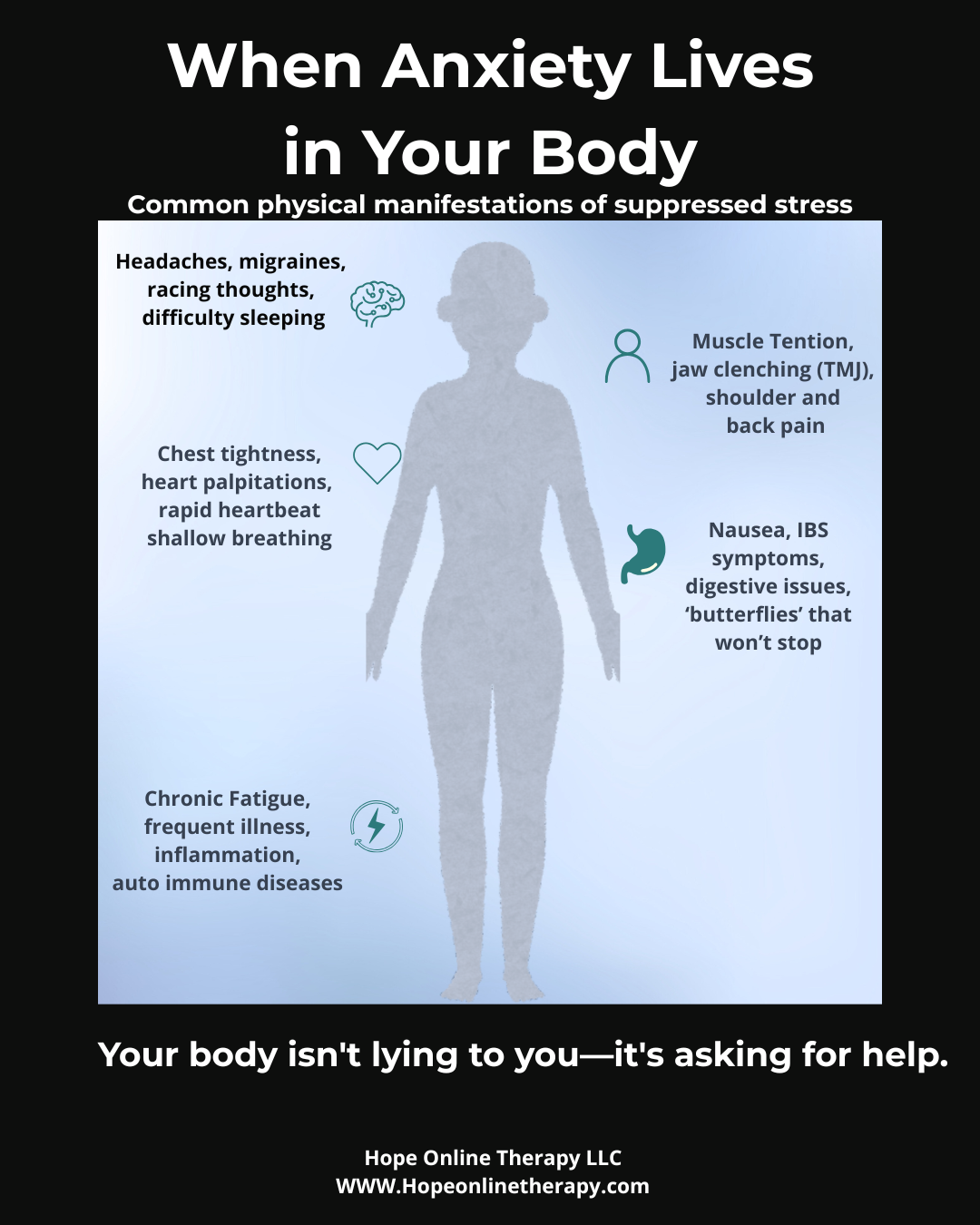
Anxiety involves persistent worry, fear, or uneasiness. It is normal to feel anxious from time to time, but anxiety may need attention when it is difficult to control, occurs frequently, or gets in the way of everyday activities. Anxiety disorders are treatable health conditions and can take different forms, including generalized anxiety disorder, panic disorder, and social anxiety disorder.
Possible symptoms include racing thoughts, restlessness, trouble sleeping, difficulty concentrating, a rapid heartbeat, sweating, or feeling tense. Some people experience panic attacks, which can involve an intense surge of fear and physical symptoms. These symptoms can have other causes, so new or concerning physical symptoms should be discussed with a health professional.
What Is Depression?
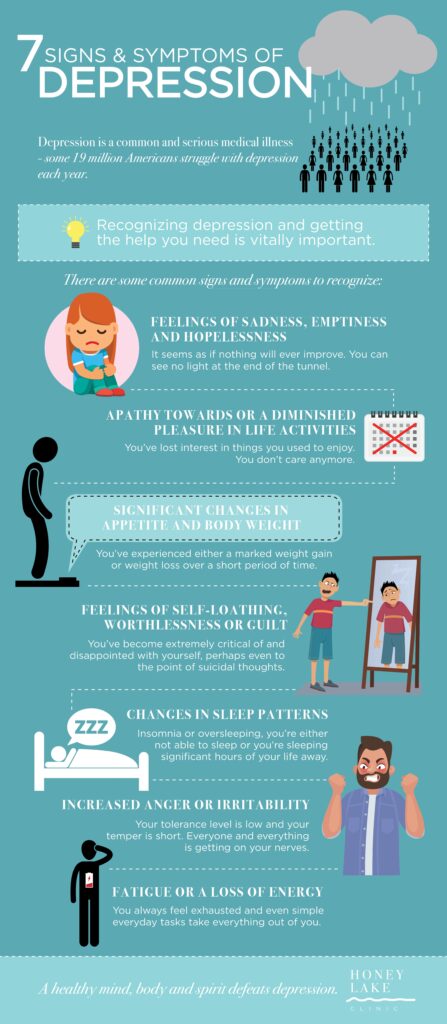
Depression is more than temporary sadness or a difficult day. It can involve a persistent low mood or loss of interest in activities, along with changes in sleep, appetite, energy, concentration, or self-esteem. Depression can affect work, school, relationships, and basic daily routines. It is not a personal failing, and effective treatments are available.
Symptoms can vary from person to person. Some people feel sad or empty; others may feel numb, irritable, or unusually tired. If these symptoms persist, worsen, or make daily life difficult, consider speaking with a qualified health professional.
How Are They Connected?
Ongoing stress can contribute to anxiety or low mood, and anxiety and depression can occur at the same time. For example, persistent worry may make it harder to sleep, while poor sleep can affect mood and concentration. Because symptoms can overlap, a professional can help assess what is happening and recommend appropriate care.
Strategies That May Help
- Talk with someone you trust. Sharing what is happening with a supportive friend, family member, or counselor can reduce isolation.
- Build steady routines. Regular meals, consistent sleep and wake times, and manageable daily goals can provide structure.
- Try calming practices. Slow breathing, mindfulness, gentle stretching, or time outdoors may help ease tension for some people.
- Move in a way that feels manageable. Physical activity, even a short walk, may support overall well-being. Start gently and adapt to your health and abilities.
- Limit substances that may worsen symptoms. Alcohol, recreational drugs, and too much caffeine can affect sleep or mood for some people.
- Break tasks into smaller steps. Choosing one realistic next action can make overwhelming responsibilities feel more manageable.
Self-care can be useful, but it is not a substitute for professional treatment when symptoms are persistent, severe, or affecting daily life.
When to Seek Professional Help
Consider contacting a doctor, therapist, or other licensed mental health professional if distress continues, becomes harder to manage, or affects relationships, work, school, sleep, or daily responsibilities. Treatment may include therapy, medication, lifestyle support, or a combination. A primary care provider can help assess symptoms and discuss options.
If you or someone else may be in immediate danger, call 911 or go to the nearest emergency department. In the United States, call or text 988 to reach the Suicide & Crisis Lifeline for free, confidential support. You do not need to be suicidal to contact 988.
Stress, anxiety, and depression can feel isolating, but support is available. Taking one small step—such as telling someone you trust or scheduling an appointment with a health professional—can be a meaningful place to start.
9 Tips for Managing Stress, Anxiety, and Depression
- Take slow, steady breaths for one minute.
- Break stressful tasks into smaller steps.
- Keep a regular sleep and wake schedule.
- Move your body, even with a short walk.
- Talk with someone you trust.
- Limit caffeine if it worsens anxiety.
- Make time for one small enjoyable activity.
- Consider speaking with a mental health professional.
- If you may harm yourself, contact emergency services or a crisis line now.
Take slow, steady breaths for one minute.
Taking slow, steady breaths for one minute can help you pause and reconnect with the present moment when stress, anxiety, or low mood feels overwhelming. Breathe in gently through your nose and out slowly through your mouth, without forcing or holding your breath. A minute of calm breathing may ease tension for some people, though it isn’t a substitute for professional support when symptoms persist or interfere with daily life.
Break stressful tasks into smaller steps.
Breaking a stressful task into smaller, manageable steps can make it feel less overwhelming and easier to begin. Focus on one simple action at a time, such as making a short list, setting a 10-minute timer, or completing the first part of a project. Taking brief breaks and recognizing your progress can also help you stay motivated. This approach won’t solve every source of stress, anxiety, or depression, but it can make day-to-day responsibilities feel more manageable.
Keep a regular sleep and wake schedule.
Keeping a regular sleep and wake schedule can support your mood and help your body manage stress. Try going to bed and getting up at about the same time each day, including on weekends, and create a calming bedtime routine that helps you wind down. A consistent schedule may improve sleep quality and make it easier to cope with anxiety and low mood, though it is not a substitute for professional support when symptoms persist.
Move your body, even with a short walk.
Moving your body can be a simple way to support your mental well-being. Even a short walk may help release tension, shift your focus, and create a sense of momentum when stress, anxiety, or low mood makes getting started difficult. Choose a pace and route that feel manageable, and remember that a little movement counts—there’s no need to aim for a long or strenuous workout.
Talk with someone you trust.
Talking with someone you trust can help you feel less alone when stress, anxiety, or depression becomes difficult to manage. Choose a friend, family member, or other supportive person, and share as much or as little as feels comfortable. They may not have all the answers, but listening with care can make it easier to sort through your feelings and consider a next step. If you need more support, a mental health professional can help.
Limit caffeine if it worsens anxiety.
If caffeine makes you feel more anxious, try cutting back on coffee, tea, energy drinks, and other caffeinated products. Caffeine can increase jitteriness, a racing heartbeat, and trouble sleeping for some people, which may add to anxiety or stress. Reduce your intake gradually to help avoid withdrawal symptoms, and consider switching to decaf or caffeine-free options. Everyone responds differently, so notice how changes affect your mood and sleep; talk with a health professional if anxiety is persistent or interfering with daily life.
Make time for one small enjoyable activity.
Make time for one small enjoyable activity each day, even when life feels overwhelming. Listening to a favorite song, stepping outside for fresh air, tending a plant, or sharing a laugh with someone you care about can offer a welcome moment of comfort. These small activities won’t replace professional support when it’s needed, but they can help create moments of pleasure and connection amid stress, anxiety, or depression.
Consider speaking with a mental health professional.
Consider speaking with a mental health professional if stress, anxiety, or depression is affecting your daily life, relationships, sleep, or ability to manage responsibilities. A therapist, counselor, or other qualified provider can help you understand what you’re experiencing, develop coping strategies, and explore treatment options that fit your needs. Reaching out is a positive step toward support and well-being.
If you may harm yourself, contact emergency services or a crisis line now.
If you think you might hurt yourself, seek help right away: call 911 or go to the nearest emergency department if you’re in immediate danger. In the United States, you can also call or text 988 to reach the Suicide & Crisis Lifeline for free, confidential support. If possible, tell someone you trust and ask them to stay with you while you get help.