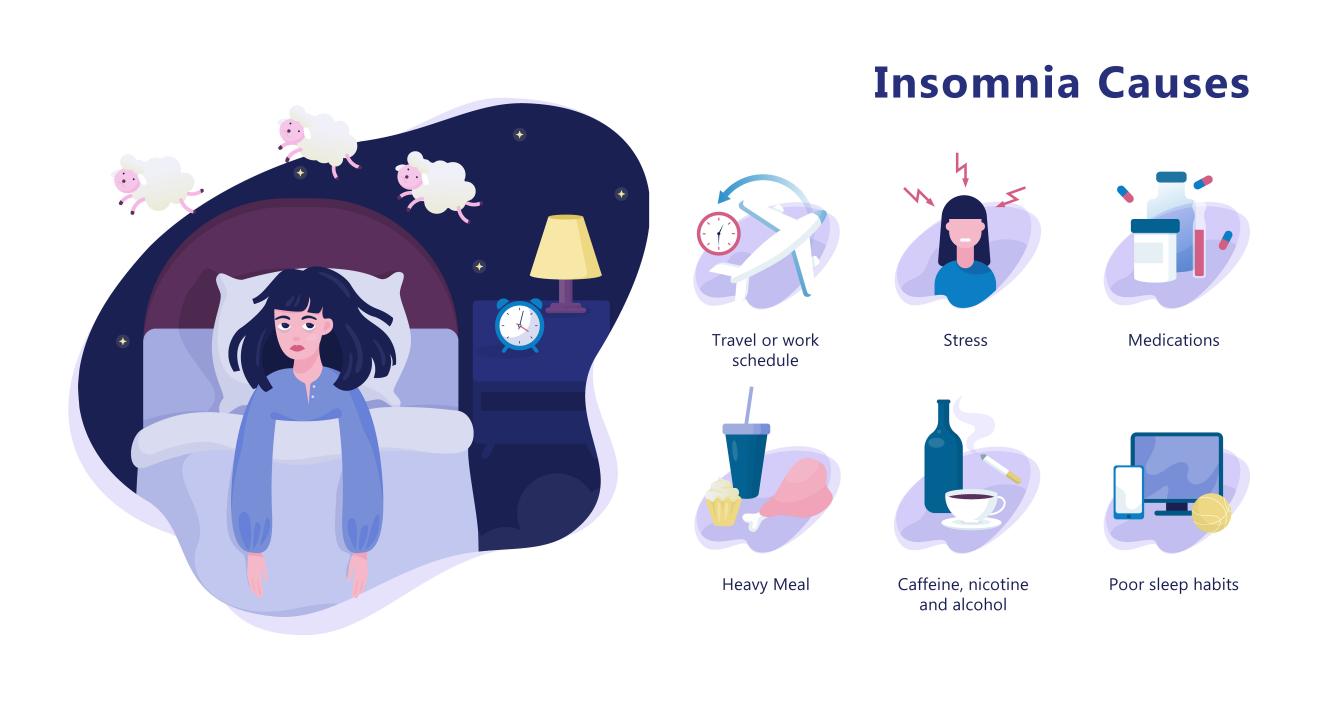
Different Types of Insomnia
Insomnia is a common sleep disorder that affects millions of people worldwide. It can manifest in various forms, each with its own set of symptoms and causes. Understanding the different types of insomnia can help individuals identify their specific issues and seek appropriate treatment.
Acute Insomnia
Acute insomnia is short-term sleeplessness that lasts for a few nights or weeks. It is often triggered by stressful life events such as work pressure, relationship problems, or jet lag. Acute insomnia typically resolves on its own once the underlying cause is addressed.
Chronic Insomnia
Chronic insomnia is characterized by persistent difficulty falling asleep or staying asleep for at least three nights a week for three months or longer. It can be caused by underlying medical conditions, psychological factors, or poor sleep habits. Chronic insomnia can have a significant impact on an individual’s overall health and quality of life.
Comorbid Insomnia
Comorbid insomnia refers to sleep disturbances that occur alongside other medical or psychological conditions such as depression, anxiety, chronic pain, or substance abuse. Treating the underlying condition is essential in managing comorbid insomnia effectively.
Onset Insomnia
Onset insomnia is characterized by difficulty falling asleep at the beginning of the night. Individuals with onset insomnia may spend a significant amount of time lying awake in bed before finally drifting off to sleep. This type of insomnia can be frustrating and disruptive to one’s daily routine.
Maintenance Insomnia
Maintenance insomnia involves difficulty staying asleep throughout the night, leading to frequent awakenings and fragmented sleep patterns. Individuals with maintenance insomnia often experience daytime fatigue, irritability, and impaired cognitive function due to poor sleep quality.
Behavioral Insomnia of Childhood
This type of insomnia occurs in children and is typically related to behavioral issues surrounding bedtime routines and sleep associations. Parents play a crucial role in addressing behavioral insomnia by establishing consistent bedtime rituals and promoting healthy sleep habits in their children.
In conclusion, recognizing the different types of insomnia is key to effectively managing this common sleep disorder. Whether you are experiencing acute sleep disturbances or chronic difficulties with your sleep patterns, seeking professional guidance from healthcare providers or sleep specialists can help you identify the underlying causes and develop personalized treatment plans for better sleep health.
9 Effective Tips for Managing Different Types of Insomnia
- Maintain a consistent sleep schedule by going to bed and waking up at the same time every day.
- Create a relaxing bedtime routine to signal your body it’s time for sleep.
- Limit exposure to screens and blue light at least an hour before bed.
- Avoid caffeine, nicotine, and heavy meals close to bedtime.
- Ensure your sleeping environment is comfortable, cool, and dark.
- Exercise regularly but avoid vigorous activity close to bedtime.
- Manage stress through relaxation techniques such as meditation or deep breathing exercises.
- If you can’t fall asleep within 20 minutes, get out of bed and do a quiet activity until you feel sleepy.
- Consider consulting a healthcare professional if insomnia persists or affects daily life.
Maintain a consistent sleep schedule by going to bed and waking up at the same time every day.
Maintaining a consistent sleep schedule by going to bed and waking up at the same time every day is a crucial tip for managing different types of insomnia. Our bodies thrive on routine, and establishing a regular sleep-wake cycle helps regulate our internal clock, known as the circadian rhythm. By following a consistent bedtime and wake-up time, we can train our bodies to anticipate sleep and optimize restful slumber. This practice can be particularly beneficial for individuals struggling with onset insomnia or maintenance insomnia, as it helps establish healthy sleep patterns and promotes better overall sleep quality.
Create a relaxing bedtime routine to signal your body it’s time for sleep.
Creating a relaxing bedtime routine can be a helpful strategy to signal your body that it’s time for sleep. By establishing calming rituals before bedtime, such as reading a book, taking a warm bath, or practicing deep breathing exercises, you can condition your mind and body to unwind and prepare for rest. Consistency is key in reinforcing this routine as it helps regulate your internal clock and promote better sleep quality over time. By incorporating relaxation techniques into your nightly routine, you can create a soothing environment that encourages a peaceful transition into sleep.
Limit exposure to screens and blue light at least an hour before bed.
Limiting exposure to screens and blue light at least an hour before bed is a valuable tip for improving sleep quality and combating various types of insomnia. The blue light emitted by electronic devices such as smartphones, tablets, and computers can interfere with the production of melatonin, the hormone responsible for regulating our sleep-wake cycle. By reducing screen time before bedtime, individuals can signal to their bodies that it is time to wind down and prepare for restful sleep. This simple adjustment to bedtime routines can help alleviate onset insomnia, maintenance insomnia, and other sleep disturbances caused by excessive screen use in the evening.
Avoid caffeine, nicotine, and heavy meals close to bedtime.
To improve your sleep quality and reduce the risk of insomnia, it is advisable to avoid consuming caffeine, nicotine, and heavy meals close to bedtime. Caffeine and nicotine are stimulants that can disrupt your natural sleep-wake cycle and make it harder to fall asleep. Heavy meals, especially those high in fat or spice, can lead to indigestion and discomfort when lying down, making it challenging to achieve restful sleep. By minimizing the intake of these substances and foods before bedtime, you can create a more conducive environment for relaxation and promote better sleep hygiene.
Ensure your sleeping environment is comfortable, cool, and dark.
To address different types of insomnia, it is essential to create a conducive sleeping environment that promotes relaxation and restful sleep. Ensuring that your sleeping space is comfortable, cool, and dark can significantly improve your chances of falling asleep and staying asleep throughout the night. A comfortable mattress and pillows, along with proper ventilation to maintain a cool temperature, can enhance your overall sleep quality. Additionally, blocking out light sources with curtains or blinds can help signal to your body that it is time to rest, supporting healthy sleep patterns and potentially alleviating symptoms of various types of insomnia.
Exercise regularly but avoid vigorous activity close to bedtime.
Regular exercise is beneficial for overall health and can contribute to better sleep quality. However, it is important to be mindful of the timing of physical activity, especially when dealing with different types of insomnia. Engaging in regular exercise earlier in the day can help promote restful sleep by regulating the body’s natural sleep-wake cycle and reducing stress levels. It is advisable to avoid vigorous physical activity close to bedtime, as this can stimulate the body and mind, making it difficult to wind down and fall asleep. By incorporating a consistent exercise routine into your daily schedule while being mindful of timing, you can support healthy sleep patterns and improve your overall well-being.
Manage stress through relaxation techniques such as meditation or deep breathing exercises.
To address insomnia related to stress, incorporating relaxation techniques like meditation or deep breathing exercises into your daily routine can be highly beneficial. These practices help calm the mind, reduce anxiety levels, and promote a sense of inner peace, making it easier to unwind and prepare for restful sleep. By managing stress through mindful activities, you can create a more conducive environment for falling asleep and staying asleep throughout the night.
If you can’t fall asleep within 20 minutes, get out of bed and do a quiet activity until you feel sleepy.
When struggling to fall asleep within 20 minutes, it is advisable to get out of bed and engage in a quiet activity until drowsiness sets in. This technique helps prevent the association of the bed with wakefulness and frustration, promoting a more restful sleep environment. By temporarily leaving the bed and engaging in a calming activity such as reading or listening to soft music, individuals can reduce anxiety about sleeplessness and encourage a natural transition into sleep when they feel sleepy again.
Consider consulting a healthcare professional if insomnia persists or affects daily life.
It is important to consider consulting a healthcare professional if insomnia persists or significantly impacts your daily life. Chronic sleep disturbances can have a profound effect on your physical health, mental well-being, and overall quality of life. A healthcare provider can help identify the underlying causes of your insomnia and recommend appropriate treatment options tailored to your specific needs. Seeking professional guidance is crucial in managing insomnia effectively and improving your sleep health in the long term.