The Effects of Light Blue Light on Your Health
Light blue light, also known as high-energy visible (HEV) light, is a type of light with a short wavelength and high energy. It is emitted by the sun, as well as electronic devices such as smartphones, tablets, and computers. While light blue light is beneficial during the day as it helps regulate our sleep-wake cycle and boosts alertness, excessive exposure to it, especially at night, can have negative effects on our health.
One of the main concerns associated with prolonged exposure to light blue light is its impact on sleep quality. The blue light emitted by electronic devices can suppress the production of melatonin, a hormone that regulates sleep. This can disrupt our circadian rhythm and make it harder to fall asleep at night, leading to insomnia and other sleep disorders.
Furthermore, studies have shown that chronic exposure to light blue light may contribute to digital eye strain. Symptoms of digital eye strain include dry eyes, headaches, blurred vision, and neck pain. To reduce the risk of eye strain from blue light exposure, experts recommend taking regular breaks from screens, adjusting screen brightness settings, and using blue light filters or glasses.
In addition to its effects on sleep and eye health, some research suggests that prolonged exposure to light blue light may have long-term implications for our overall health. Studies have linked excessive blue light exposure to an increased risk of obesity, diabetes, cardiovascular disease, and certain types of cancer. While more research is needed to fully understand these associations, it’s important to be mindful of our exposure to artificial sources of blue light.
To mitigate the potential negative effects of light blue light on our health, experts recommend limiting screen time before bedtime, using night mode settings on electronic devices to reduce blue light emission in the evening, and creating a sleep-friendly environment by keeping bedrooms dark and cool. By being proactive about managing our exposure to light blue light, we can help protect our health and well-being in the digital age.
Understanding Light Blue Light: FAQs on Sources, Effects, and Protection
- What is light blue light?
- Where does light blue light come from?
- How does light blue light affect sleep?
- What are the health effects of prolonged exposure to light blue light?
- How can I reduce my exposure to light blue light?
- Are there benefits to using blue light filters or glasses?
What is light blue light?
Light blue light, also known as high-energy visible (HEV) light, is a type of light with a short wavelength and high energy. It is emitted by the sun and various electronic devices such as smartphones, tablets, and computers. Light blue light plays a crucial role in regulating our sleep-wake cycle and boosting alertness during the day. However, excessive exposure to light blue light, especially in the evening or at night, can disrupt our natural circadian rhythm and have negative effects on our health, including sleep disturbances and potential eye strain. Understanding the impact of light blue light on our daily lives is essential for maintaining a healthy balance between technology use and overall well-being.
Where does light blue light come from?
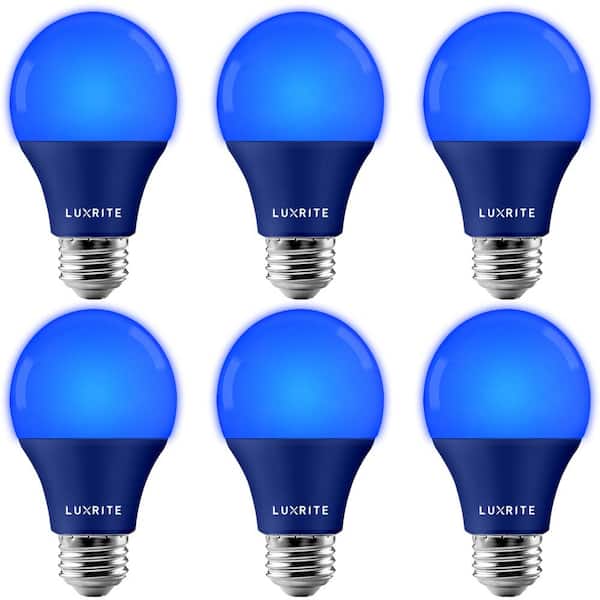
Light blue light, also known as high-energy visible (HEV) light, primarily comes from the sun. The sun emits a spectrum of light that includes blue light, which is essential for regulating our sleep-wake cycle and boosting alertness during the day. In addition to natural sources like the sun, artificial sources of light blue light include electronic devices such as smartphones, tablets, computers, and LED lights. Prolonged exposure to artificial sources of blue light, especially in the evening hours, can have implications for our health and well-being. It’s important to be mindful of our exposure to both natural and artificial sources of light blue light to maintain a healthy balance and protect our eyes and overall health.
How does light blue light affect sleep?
Exposure to light blue light, particularly in the evening and nighttime hours, can have a significant impact on sleep quality. Light blue light suppresses the production of melatonin, a hormone that regulates our sleep-wake cycle. When we are exposed to blue light from electronic devices like smartphones, tablets, and computers before bedtime, it tricks our brain into thinking it’s still daytime, making it harder to fall asleep. This disruption to our circadian rhythm can lead to insomnia, reduced sleep duration, and overall poor sleep quality. To promote better sleep hygiene, experts recommend limiting exposure to light blue light in the hours leading up to bedtime and using tools like night mode settings on devices or blue light filters to minimize its effects on sleep.
What are the health effects of prolonged exposure to light blue light?
Prolonged exposure to light blue light, especially from electronic devices like smartphones and computers, can have various health effects. One significant concern is its impact on sleep quality, as blue light can disrupt the production of melatonin, leading to difficulties falling asleep and potential sleep disorders. Additionally, chronic exposure to blue light may contribute to digital eye strain, causing symptoms such as dry eyes, headaches, and blurred vision. Research also suggests that excessive blue light exposure could be linked to long-term health risks such as obesity, diabetes, cardiovascular disease, and certain types of cancer. It is important to be mindful of our exposure to light blue light and take steps to reduce its potential negative effects on our health.
How can I reduce my exposure to light blue light?
To reduce your exposure to light blue light, especially in the evening when it can disrupt your sleep patterns, consider implementing some simple strategies. One effective way is to limit screen time before bedtime and create a relaxing pre-sleep routine that doesn’t involve electronic devices. You can also use night mode settings on your devices to reduce blue light emission in the evening. Additionally, consider investing in blue light filters or glasses that can help block out harmful blue light rays. Creating a sleep-friendly environment by keeping your bedroom dark and cool can also contribute to better sleep quality by minimizing exposure to artificial light sources. By incorporating these practices into your daily routine, you can reduce the negative effects of excessive light blue light exposure on your health and well-being.
Are there benefits to using blue light filters or glasses?
Using blue light filters or glasses can offer several benefits in reducing the potential negative effects of prolonged exposure to light blue light. Blue light filters, whether in the form of screen protectors or software applications, can help decrease the amount of blue light emitted by electronic devices, thus reducing eye strain and improving comfort during extended screen time. Blue light filtering glasses are designed to block or absorb a portion of blue light, which may help regulate sleep patterns by minimizing disruption to melatonin production. By incorporating blue light filters or glasses into your daily routine, you can potentially alleviate digital eye strain, improve sleep quality, and safeguard your overall eye health in the modern digital age.