The Art of Developing Leadership Skills
Leadership is a skill that can be cultivated and honed through dedication, self-awareness, and continuous learning. Whether you are a seasoned executive or a budding entrepreneur, developing strong leadership skills is essential for success in today’s dynamic and competitive business landscape.
Self-Awareness and Emotional Intelligence
One of the foundational pillars of effective leadership is self-awareness. Understanding your strengths, weaknesses, values, and emotions allows you to lead authentically and connect with others on a deeper level. Emotional intelligence, which encompasses self-awareness, empathy, and social skills, plays a crucial role in building trust and fostering collaboration within teams.
Communication and Active Listening
Clear and effective communication is key to successful leadership. Leaders must be able to articulate their vision, provide feedback, and inspire others to achieve common goals. Equally important is the ability to listen actively – to understand diverse perspectives, address concerns, and make informed decisions that benefit the entire team.
Adaptability and Resilience
In today’s fast-paced business environment, leaders must be adaptable and resilient in the face of challenges and change. Flexibility allows leaders to navigate uncertainty with confidence, adjust strategies as needed, and inspire confidence in their teams during times of transition or crisis.
Continuous Learning and Development
Leadership development is an ongoing journey that requires a commitment to continuous learning and personal growth. Engaging in professional development opportunities such as workshops, seminars, coaching programs, or mentorship can help leaders enhance their skills, expand their knowledge base, and stay ahead of industry trends.
Empowering Others
True leadership is not about exerting control but empowering others to reach their full potential. By delegating responsibilities, providing guidance and support, recognizing achievements, and fostering a culture of trust and collaboration,
leaders can create high-performing teams that drive innovation
and achieve collective success.
In conclusion,
Cultivating strong leadership skills requires dedication,
self-awareness,
and a commitment to continuous learning.
By developing emotional intelligence,
communication abilities,
adaptability,
and resilience,
leaders can inspire others,
drive positive change,
and lead their organizations toward success
in an ever-evolving business landscape.
and professional development.
Contact us today for customized coaching solutions
to enhance your leadership skills
and unlock your full potential.
Essential Questions About Developing Leadership Skills: A Comprehensive Guide
- What are the 5 skills of an effective leader?
- What are the top 3 leadership skills?
- What are the 7 core skills of a leader?
- How do you develop leadership skills?
- What are the 5 P’s of leadership?
- How can leadership skills be developed?
- What are the 5 phases of leadership development?
- What are the 5 R’s of leadership?
- How to develop leadership skills?
What are the 5 skills of an effective leader?
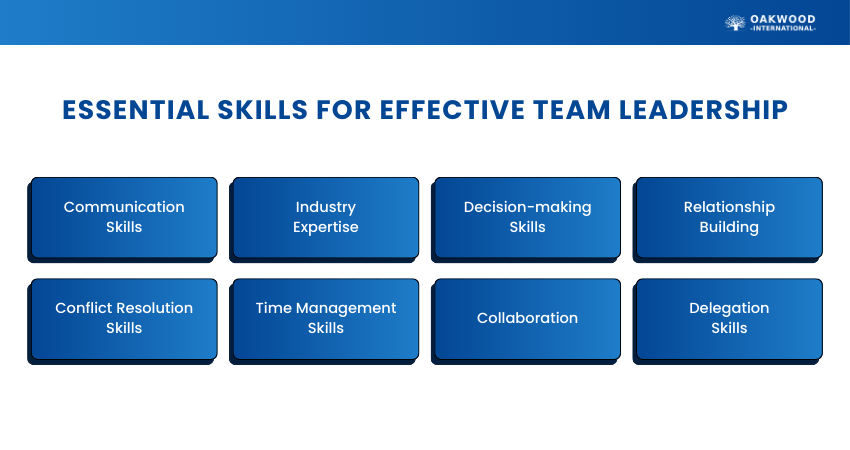
When it comes to developing leadership skills, understanding the key attributes of an effective leader is crucial. The five essential skills of an effective leader include strong communication abilities, which involve articulating a clear vision and actively listening to team members. Additionally, emotional intelligence plays a vital role in building relationships, fostering collaboration, and managing conflicts effectively. Adaptability and resilience are also critical traits that enable leaders to navigate challenges and changes with confidence. Furthermore, empowering others by delegating tasks, providing support, and recognizing achievements helps create a positive and productive work environment. Lastly, strategic thinking and decision-making skills allow leaders to set goals, make informed choices, and drive their teams toward success in dynamic business environments.
What are the top 3 leadership skills?
When it comes to developing leadership skills, identifying the top three essential qualities can provide a roadmap for growth and improvement. The top three leadership skills that are often emphasized include effective communication, strategic decision-making, and the ability to inspire and motivate others. Effective communication is crucial for conveying vision, goals, and expectations clearly to team members. Strategic decision-making involves analyzing situations, considering various perspectives, and making sound choices that align with long-term objectives. Lastly, the ability to inspire and motivate others is key in fostering a positive work environment, boosting morale, and driving team performance towards success. By honing these core skills, aspiring leaders can enhance their effectiveness and make a meaningful impact within their organizations.
What are the 7 core skills of a leader?
When it comes to developing leadership skills, understanding the seven core skills of a leader is essential for aspiring and current leaders alike. These core skills encompass a range of competencies that are crucial for effective leadership: communication, decision-making, problem-solving, adaptability, emotional intelligence, strategic thinking, and teamwork. Mastering these skills enables leaders to inspire and motivate their teams, navigate challenges with confidence, foster collaboration, and drive organizational success. By honing these core skills through continuous learning and practice, individuals can enhance their leadership capabilities and make a positive impact in their professional roles.
How do you develop leadership skills?
Developing leadership skills requires a combination of self-awareness, continuous learning, and practical experience. Start by assessing your strengths and areas for improvement through self-reflection and feedback from others. Engage in leadership development programs, workshops, or coaching to enhance your communication, decision-making, and emotional intelligence. Practice active listening, empathy, and adaptability in your interactions with team members and colleagues. Seek opportunities to lead projects, mentor others, and take on new challenges that push you out of your comfort zone. Embrace feedback as a tool for growth and be open to refining your approach based on insights gained from both successes and setbacks. Remember that developing leadership skills is a journey that requires dedication, perseverance, and a willingness to evolve as a leader over time.
What are the 5 P’s of leadership?
The 5 P’s of leadership are a valuable framework that encapsulates key principles essential for effective leadership development. These 5 P’s – Purpose, Passion, People, Persistence, and Performance – serve as guiding pillars for aspiring leaders to cultivate and embody. Purpose drives vision and direction, while passion fuels motivation and commitment. People emphasize the importance of building strong relationships and fostering a collaborative environment. Persistence underscores resilience and determination in the face of challenges, while performance focuses on achieving results and driving success. By understanding and integrating the 5 P’s of leadership into their approach, individuals can enhance their leadership skills and make a positive impact on their teams and organizations.
How can leadership skills be developed?
Developing leadership skills is a journey that requires dedication and continuous effort. One effective way to enhance leadership abilities is through self-awareness and emotional intelligence, which involves understanding one’s strengths, weaknesses, and emotions to lead authentically. Engaging in communication training and practicing active listening can also improve leadership skills by fostering clear and effective interaction with team members. Additionally, seeking mentorship, attending leadership workshops, and taking on challenging projects can provide valuable learning opportunities to develop adaptability, resilience, and decision-making skills essential for effective leadership. Ultimately, consistent self-reflection, learning from experiences, and actively seeking growth opportunities are key to cultivating strong leadership skills over time.
What are the 5 phases of leadership development?
Leadership development typically follows a structured process that encompasses five key phases. The first phase involves self-awareness, where individuals assess their strengths, weaknesses, values, and leadership style. This introspection lays the foundation for the second phase, which focuses on skill-building through training, coaching, and feedback. The third phase centers on practical application, where leaders implement their newly acquired skills in real-world scenarios to gain experience and confidence. The fourth phase involves reflection and continuous learning, as leaders analyze their successes and failures to refine their approach. Finally, the fifth phase emphasizes ongoing growth and adaptability, as leaders strive to evolve and stay relevant in an ever-changing business landscape. By progressing through these phases systematically, individuals can develop into effective and resilient leaders capable of inspiring others and driving organizational success.
What are the 5 R’s of leadership?
The 5 R’s of leadership serve as a guiding framework for individuals looking to develop and enhance their leadership skills. These principles include: Respect, Responsibility, Resilience, Resourcefulness, and Relationship-building. Respect involves valuing others’ opinions and treating them with dignity. Responsibility entails taking ownership of one’s actions and decisions. Resilience emphasizes the ability to bounce back from setbacks and challenges. Resourcefulness involves effectively utilizing available resources to achieve goals. Relationship-building focuses on fostering strong connections with team members and stakeholders to drive collaboration and success in leadership roles. By embodying these 5 R’s, aspiring leaders can cultivate a strong foundation for effective leadership practices.
How to develop leadership skills?
Developing leadership skills is a process that requires dedication, self-awareness, and continuous learning. To enhance your leadership abilities, start by focusing on self-awareness and emotional intelligence. Understanding your strengths, weaknesses, values, and emotions will enable you to lead authentically and connect with others effectively. Additionally, work on improving your communication skills by articulating your vision clearly and actively listening to diverse perspectives. Embrace adaptability and resilience to navigate challenges with confidence and inspire your team during times of change. Engaging in continuous learning opportunities and empowering others to reach their full potential are also essential steps in developing strong leadership skills. Remember that leadership is a journey of growth and development that evolves over time with practice and commitment.