Progressive Muscle Relaxation Therapy: A Holistic Approach to Stress Relief
Progressive Muscle Relaxation (PMR) therapy is a powerful technique that helps individuals reduce stress and anxiety by systematically tensing and relaxing muscle groups throughout the body. This evidence-based method has been widely used by therapists to promote relaxation, improve sleep quality, and enhance overall well-being.
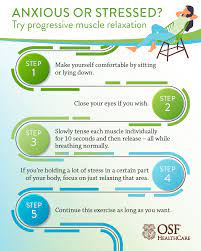
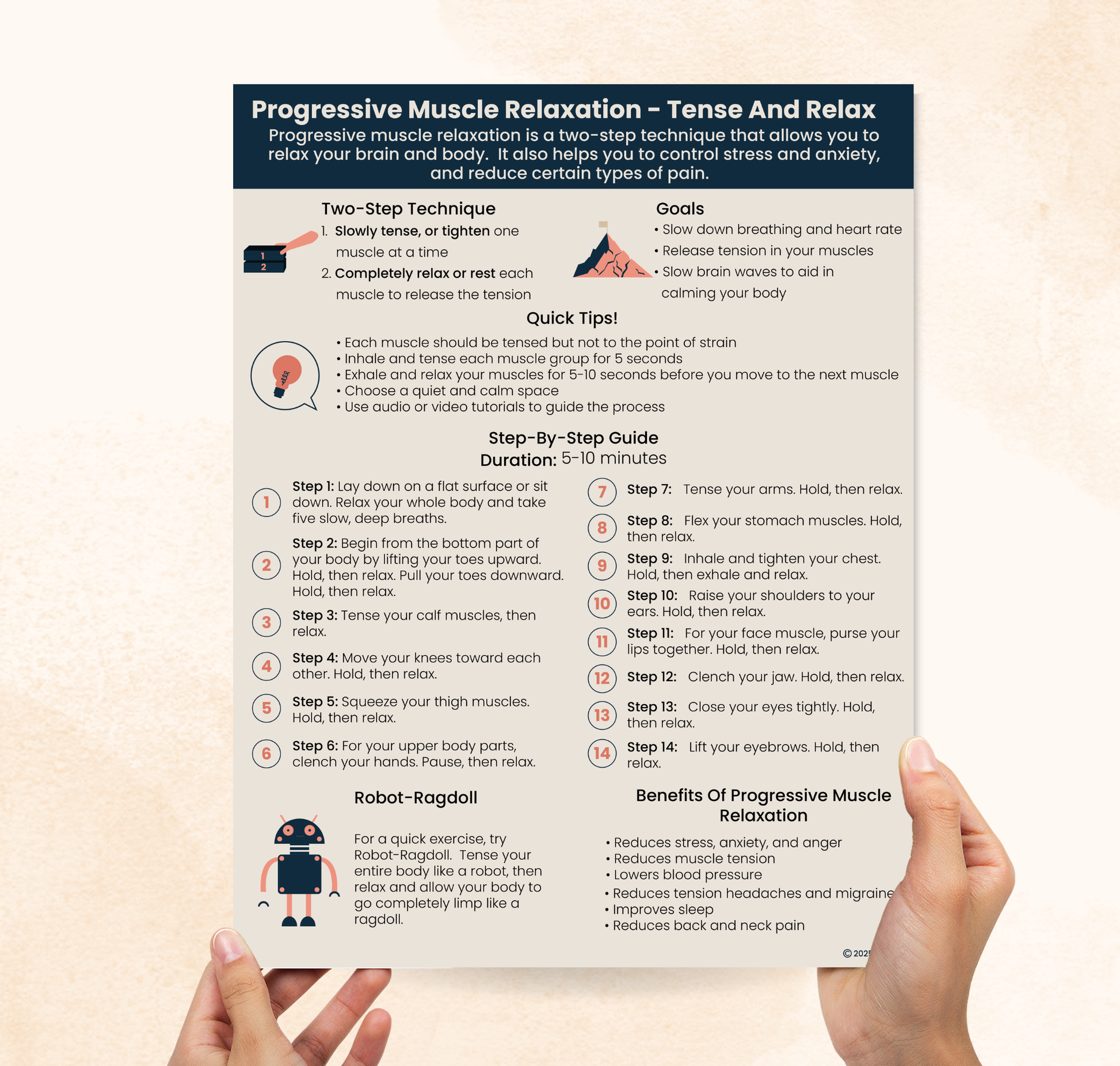
The premise of PMR is simple yet effective. By intentionally tensing specific muscle groups for a few seconds and then releasing the tension, individuals can experience a deep sense of relaxation as they become more attuned to the physical sensations in their bodies. This heightened awareness not only helps in reducing muscle tension but also calms the mind and alleviates mental stress.
A PMR therapist aids clients in mastering this technique through guided sessions that focus on different muscle groups, typically starting from the feet and progressing upward towards the head. By practicing PMR regularly, individuals can learn to recognize when their muscles are tense and develop the ability to release that tension at will, leading to a greater sense of control over their physical and emotional responses to stressors.
In addition to its immediate calming effects, PMR has long-term benefits for both physical and mental health. Regular practice of this relaxation technique has been shown to lower blood pressure, reduce chronic pain, improve immune function, and enhance overall resilience against stress-related disorders.
Furthermore, PMR therapy can be easily integrated into daily routines, making it a convenient self-care tool for managing stress in various settings such as at home, work, or even during travel. With consistent practice and guidance from a trained therapist, individuals can experience profound changes in their well-being and quality of life.
In conclusion, Progressive Muscle Relaxation therapy offers a holistic approach to stress relief that empowers individuals to take charge of their physical and emotional health. By working with a PMR therapist to master this simple yet transformative technique, individuals can cultivate inner peace, resilience, and vitality in today’s fast-paced world.
Discover the Benefits of Progressive Muscle Relaxation: Stress Relief, Better Sleep, and More
- Effective in reducing stress and anxiety
- Simple technique that can be easily learned and practiced
- Helps improve sleep quality and promote relaxation
- Can be integrated into daily routines for convenient self-care
- Offers long-term benefits for both physical and mental health
7 Drawbacks of Progressive Muscle Relaxation Therapy: Challenges and Considerations
- May require multiple sessions to fully benefit from the technique
- Some individuals may find it challenging to focus on muscle tensing and relaxation
- Not suitable for individuals with certain medical conditions or physical limitations
- Results may vary depending on individual responsiveness to the therapy
- Can be time-consuming for those with busy schedules
- May not be effective as a standalone treatment for severe mental health disorders
- Cost of regular sessions with a PMR therapist can add up over time
Effective in reducing stress and anxiety
Progressive Muscle Relaxation therapy, guided by a trained therapist, proves highly effective in reducing stress and anxiety levels. By systematically engaging and releasing tension in various muscle groups, individuals can experience profound relaxation and a significant decrease in both physical and mental tension. This evidence-based approach not only helps individuals manage immediate feelings of stress but also equips them with valuable skills to cope with anxiety triggers in the long term. The guidance provided by a PMR therapist enhances the effectiveness of the technique, allowing individuals to cultivate a sense of calmness and well-being amidst life’s challenges.
Simple technique that can be easily learned and practiced
One significant advantage of Progressive Muscle Relaxation therapy is its simplicity, making it a technique that can be easily learned and practiced by individuals of all ages and backgrounds. By following the guidance of a therapist or through self-directed sessions, individuals can quickly grasp the concept of tensing and relaxing muscle groups, allowing them to incorporate this effective relaxation method into their daily routines with ease. This accessibility makes Progressive Muscle Relaxation a valuable tool for managing stress and promoting overall well-being in a practical and sustainable way.
Helps improve sleep quality and promote relaxation
Progressive Muscle Relaxation therapy serves as a valuable tool in enhancing sleep quality and fostering relaxation. By systematically tensing and releasing muscle groups, individuals can alleviate physical tension and mental stress, paving the way for a more restful and rejuvenating sleep experience. With the guidance of a therapist, mastering this technique can lead to improved sleep patterns, reduced insomnia symptoms, and an overall sense of calmness that contributes to better quality rest and enhanced well-being.
Can be integrated into daily routines for convenient self-care
Progressive Muscle Relaxation therapy stands out as a valuable self-care tool due to its seamless integration into daily routines. By incorporating this relaxation technique into everyday activities, individuals can conveniently manage stress and promote overall well-being without disrupting their schedules. Whether practiced at home, in the workplace, or while traveling, the flexibility of PMR therapy allows individuals to prioritize their mental and physical health with ease. This pro highlights the accessibility and practicality of Progressive Muscle Relaxation as a sustainable method for self-care and stress management in today’s busy world.
Offers long-term benefits for both physical and mental health
Progressive Muscle Relaxation therapy provides a valuable pro by offering long-term benefits for both physical and mental health. Through regular practice of this relaxation technique, individuals can experience improvements in various aspects of their well-being. Physically, PMR has been shown to lower blood pressure, reduce chronic pain, and enhance immune function. Mentally, it helps individuals build resilience against stress-related disorders and promotes a sense of calm and balance in their daily lives. By working with a PMR therapist to incorporate this technique into their routine, individuals can reap the lasting rewards of improved overall health and vitality.
May require multiple sessions to fully benefit from the technique
One potential drawback of Progressive Muscle Relaxation therapy is that it may require multiple sessions for individuals to fully benefit from the technique. While PMR can provide immediate relaxation and stress relief, mastering the skill of systematically tensing and relaxing muscle groups throughout the body may take time and practice. Some individuals may find it challenging to consistently incorporate PMR into their daily routine or struggle to achieve optimal results without ongoing guidance from a therapist. However, with dedication and commitment to regular practice, the long-term benefits of PMR in reducing stress and promoting overall well-being can be realized over time.
Some individuals may find it challenging to focus on muscle tensing and relaxation
For some individuals, a potential drawback of Progressive Muscle Relaxation therapy is the challenge of maintaining focus during the process of muscle tensing and relaxation. This technique requires a certain level of concentration and mindfulness to effectively engage with each muscle group, which can be difficult for those who struggle with distractions or have a busy mind. In such cases, individuals may find it challenging to fully immerse themselves in the practice, hindering their ability to experience the full benefits of PMR therapy. It is important for therapists to provide support and guidance to help clients overcome this hurdle and develop strategies to enhance their focus and presence during sessions.
Not suitable for individuals with certain medical conditions or physical limitations
Progressive Muscle Relaxation therapy may not be suitable for individuals with certain medical conditions or physical limitations. While PMR is generally considered safe and beneficial for most people, those with conditions such as severe musculoskeletal injuries, muscle disorders, or certain neurological conditions may find it challenging or even contraindicated to engage in the practice. In such cases, it is crucial for individuals to consult with a healthcare provider or a qualified therapist before attempting PMR to ensure that the technique is appropriate and safe for their specific health needs.
Results may vary depending on individual responsiveness to the therapy
One potential drawback of progressive muscle relaxation therapy is that the results achieved may vary depending on an individual’s responsiveness to the treatment. While many people experience significant benefits from PMR, such as reduced stress and improved relaxation, some individuals may not respond as effectively to the technique. Factors such as personal motivation, consistency in practice, underlying health conditions, and individual differences in stress response can influence the outcomes of PMR therapy. It is important for both therapists and clients to recognize that not everyone may experience the same level of effectiveness with this relaxation technique and to explore alternative approaches if needed.
Can be time-consuming for those with busy schedules
For individuals with busy schedules, a potential drawback of Progressive Muscle Relaxation therapy is that it can be time-consuming. The practice involves systematically tensing and relaxing muscle groups, which may require dedicating a certain amount of time each day for effective implementation. This can pose a challenge for individuals juggling multiple responsibilities and commitments, making it difficult to consistently prioritize and engage in the therapy sessions. As a result, those with hectic schedules may find it challenging to carve out the necessary time for regular practice, hindering their ability to fully reap the benefits of this relaxation technique.
May not be effective as a standalone treatment for severe mental health disorders
Progressive Muscle Relaxation therapy, while beneficial for stress relief and relaxation, may not be effective as a standalone treatment for severe mental health disorders. Conditions such as major depressive disorder, schizophrenia, or severe anxiety disorders often require comprehensive treatment plans that may include medication, psychotherapy, and other interventions. While PMR can be a valuable complementary tool in managing symptoms, individuals with severe mental health issues should seek guidance from mental health professionals to ensure they receive the appropriate level of care and support tailored to their specific needs.
Cost of regular sessions with a PMR therapist can add up over time
The cost of regular sessions with a Progressive Muscle Relaxation (PMR) therapist can become a significant drawback over time. While the benefits of PMR therapy are well-documented in promoting relaxation and reducing stress, the financial commitment required for ongoing sessions may pose a challenge for some individuals. As the expenses accumulate with each session, individuals may find it difficult to sustain regular visits to a PMR therapist, potentially hindering their ability to fully reap the long-term benefits of this relaxation technique.