Understanding Stress and Anxiety Symptoms
Stress and anxiety are common experiences that many people face in their daily lives. While some level of stress is normal and can even be beneficial in certain situations, chronic stress and anxiety can have a significant impact on our mental and physical well-being.
Symptoms of Stress:
Stress can manifest in various ways, both emotionally and physically. Some common symptoms of stress include:
- Feeling overwhelmed or constantly worried
- Irritability or anger issues
- Difficulty concentrating or making decisions
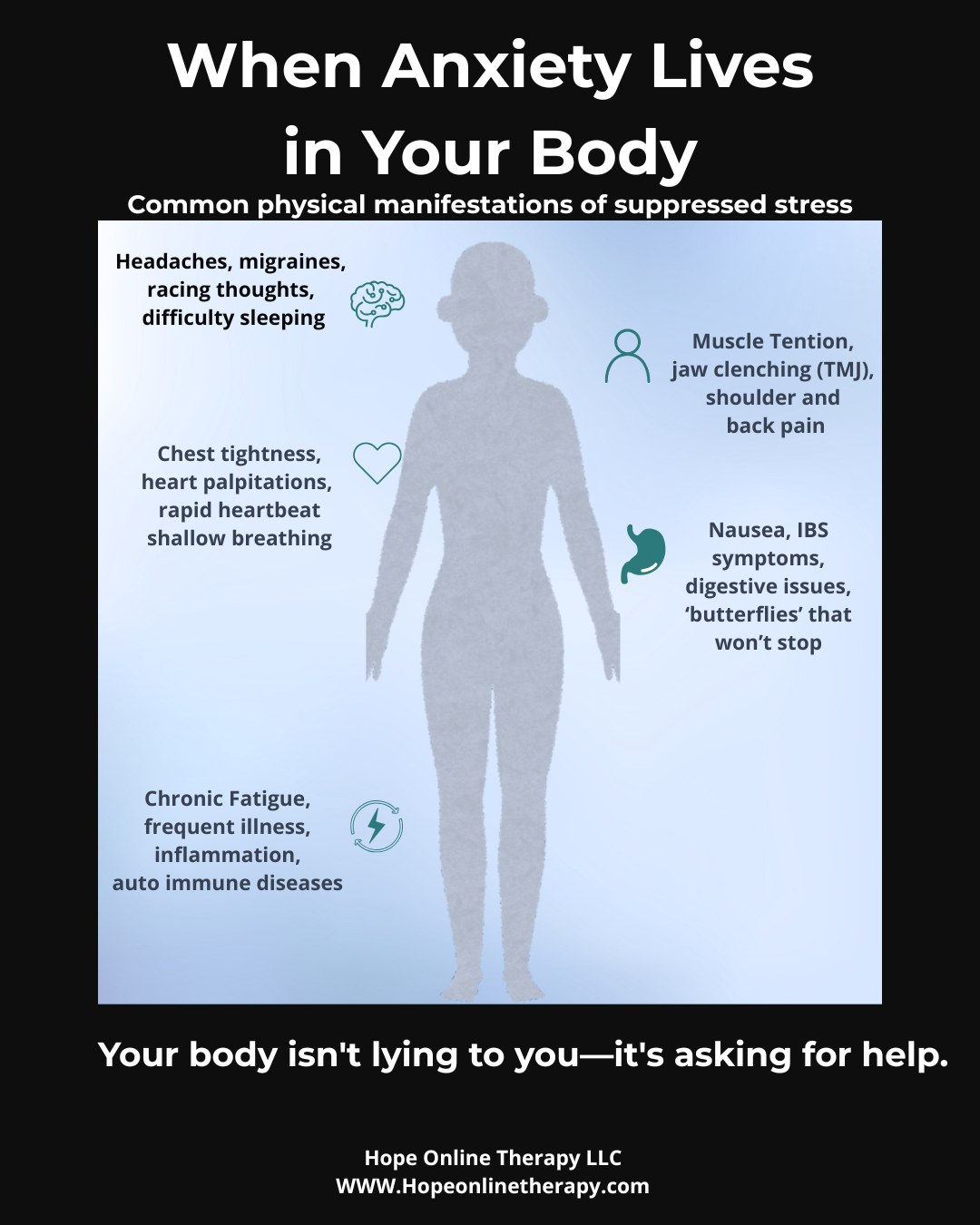
- Frequent headaches or muscle tension
- Changes in appetite – either eating too much or too little
- Sleep disturbances, such as insomnia or excessive sleeping
Symptoms of Anxiety:
Anxiety is characterized by persistent feelings of fear, worry, or unease that can be debilitating. Some common symptoms of anxiety include:
- Racing heartbeat or palpitations
- Sweating, trembling, or shaking
- Shortness of breath or feeling like you’re choking
- Chest pain or discomfort
- Nausea, abdominal distress, or gastrointestinal issues
- Feeling dizzy, lightheaded, or fainting
Seeking Help:
If you are experiencing persistent stress or anxiety symptoms that are interfering with your daily life, it’s important to seek help from a healthcare professional. Therapy, medication, lifestyle changes, and relaxation techniques can all be effective in managing stress and anxiety.
Remember that you are not alone in your struggles with stress and anxiety. With the right support and resources, you can learn to cope with these challenges and improve your overall well-being.
Understanding Stress and Anxiety: Symptoms, Warning Signs, and Coping Strategies
- What are 5 emotional signs of stress?
- What are 5 warning signs of stress?
- How long does stress anxiety last?
- How do you deal with severe stress and anxiety?
- What are 5 coping skills for anxiety?
- What are 10 symptoms of stress?
- What are 5 signs you have anxiety?
What are 5 emotional signs of stress?
When it comes to identifying emotional signs of stress, there are several common indicators to be aware of. Five emotional signs of stress include feeling overwhelmed or constantly worried, experiencing irritability or mood swings, having difficulty concentrating or making decisions, feeling anxious or on edge, and experiencing a sense of loneliness or isolation. These emotional responses to stress can manifest differently in individuals but recognizing these signs early on can help in managing and addressing stress effectively.
What are 5 warning signs of stress?
When it comes to identifying warning signs of stress, there are several key indicators to watch out for. Five common signs include persistent feelings of overwhelm or worry, irritability and mood swings, difficulty concentrating or making decisions, physical symptoms like headaches or muscle tension, and changes in appetite or sleep patterns. Recognizing these warning signs early on can help individuals take proactive steps to manage their stress levels and prioritize their mental well-being.
How long does stress anxiety last?
The duration of stress and anxiety symptoms can vary greatly from person to person. In some cases, stress and anxiety may be short-lived, lasting only a few hours or days in response to a specific trigger or situation. However, for others, stress and anxiety can become chronic, persisting for weeks, months, or even years. Factors such as the underlying causes of stress and anxiety, individual coping mechanisms, support systems, and treatment options can all influence the duration of symptoms. It is important to seek help from a healthcare professional if you are experiencing prolonged or severe stress and anxiety symptoms to receive an accurate diagnosis and appropriate treatment.
How do you deal with severe stress and anxiety?
When facing severe stress and anxiety, it is essential to prioritize self-care and seek professional help. Managing stress and anxiety involves a combination of strategies tailored to individual needs. Techniques such as deep breathing exercises, mindfulness meditation, regular physical activity, maintaining a healthy diet, and getting adequate sleep can help alleviate symptoms. Additionally, seeking support from a therapist or counselor can provide valuable tools for coping with severe stress and anxiety. It’s important to remember that it’s okay to ask for help and that there are effective treatments available to support you in navigating these challenges.
What are 5 coping skills for anxiety?
When dealing with anxiety, it’s essential to have coping skills that can help manage and alleviate the symptoms. Five effective coping skills for anxiety include deep breathing exercises to calm the mind and body, practicing mindfulness to stay present and grounded, engaging in physical activity to release tension and boost endorphins, seeking social support from friends or a therapist for emotional reassurance, and using positive self-talk to challenge negative thoughts and promote a sense of control. By incorporating these coping skills into your daily routine, you can better navigate moments of anxiety and promote overall well-being.
What are 10 symptoms of stress?
When it comes to identifying symptoms of stress, there are several common signs that individuals may experience. These include feelings of constant worry or overwhelm, irritability, difficulty concentrating, frequent headaches or muscle tension, changes in appetite, sleep disturbances like insomnia or excessive sleeping, fatigue, and a weakened immune system. Additionally, some people may also notice increased heart rate, digestive issues, and changes in their mood or behavior when under stress. It’s important to recognize these symptoms early on and seek appropriate support and coping mechanisms to effectively manage stress levels for overall well-being.
What are 5 signs you have anxiety?
Experiencing anxiety can manifest in various ways, and recognizing the signs is crucial for seeking appropriate help and support. Five common signs that indicate you may have anxiety include persistent feelings of worry or fear, physical symptoms like increased heart rate or sweating, difficulty controlling irrational thoughts, avoidance of certain situations due to fear or discomfort, and disruptions in sleep patterns such as insomnia or restless sleep. If you notice these signs impacting your daily life and well-being, it’s important to reach out to a healthcare professional for guidance and support in managing anxiety effectively.