The Power of Cognitive Behavioral Therapy for Sleep
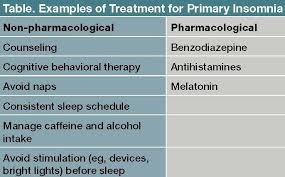
Sleep is essential for our overall health and well-being. However, many people struggle with sleep disturbances such as insomnia, restless sleep, or difficulty falling asleep. While medications can provide temporary relief, they often come with side effects and do not address the root cause of the sleep problem.
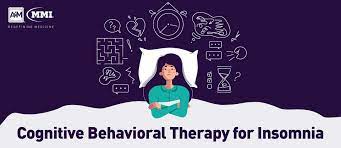
This is where Cognitive Behavioral Therapy for Sleep (CBT-I) comes in. CBT-I is a structured program that helps individuals identify and change the thoughts and behaviors that are interfering with their sleep. Unlike medications, CBT-I focuses on long-term solutions by addressing the underlying causes of sleep disturbances.
Key Components of CBT-I:
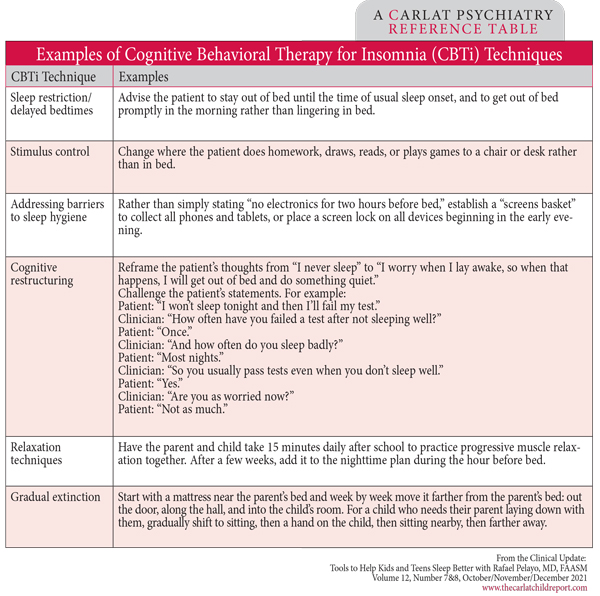
- Sleep Hygiene: CBT-I emphasizes the importance of creating a sleep-friendly environment and adopting healthy sleep habits such as maintaining a consistent sleep schedule and avoiding stimulants before bedtime.
- Cognitive Restructuring: This component helps individuals identify and challenge negative thoughts and beliefs about sleep that may be contributing to their insomnia or other sleep issues.
- Stimulus Control: By associating the bed with sleep rather than wakefulness, individuals can retrain their brains to recognize bedtime as a cue for restful slumber.
- Relaxation Techniques: CBT-I teaches relaxation strategies such as deep breathing exercises, progressive muscle relaxation, or guided imagery to help calm the mind and body before bedtime.
The Benefits of CBT-I:
Research has shown that CBT-I is highly effective in improving sleep quality and duration in individuals with various sleep disorders. Unlike medications, CBT-I does not have harmful side effects and can lead to long-lasting improvements in sleep patterns.
Furthermore, by addressing the cognitive and behavioral aspects of insomnia, CBT-I empowers individuals to take control of their sleep health and develop sustainable habits that promote restful slumber.
Is CBT-I Right for You?
If you are struggling with chronic insomnia or other sleep disturbances, consider consulting a qualified healthcare provider or therapist trained in Cognitive Behavioral Therapy for Sleep. They can assess your individual needs and develop a personalized treatment plan to help you achieve better quality rest and overall well-being.
Remember, quality sleep is not a luxury—it’s a necessity for optimal health and vitality. With the right tools and support, you can overcome your sleep challenges and enjoy rejuvenating rest night after night.
8 Common Questions About Cognitive Behavioral Therapy for Better Sleep
- Can you do CBT for insomnia on your own?
- What are Behavioural strategies for sleep?
- Can cognitive Behavioural therapy help with sleep?
- What is the 1/4 hour rule for insomnia?
- What are the 5 core components of cognitive Behavioural therapy for insomnia?
- What is the best therapy for sleep problems?
- Does insurance cover CBT for insomnia?
- How long does CBT take to work for sleep?
Can you do CBT for insomnia on your own?
Seeking professional guidance from a trained therapist or healthcare provider is recommended when considering Cognitive Behavioral Therapy for insomnia. While there are self-help resources available, such as books or online programs, the effectiveness of self-administered CBT for sleep issues may vary depending on individual needs and circumstances. A qualified practitioner can provide personalized guidance, monitor progress, and tailor the therapy to address specific sleep challenges effectively. Working with a professional ensures that you receive proper support and guidance throughout the CBT process, increasing the likelihood of achieving sustainable improvements in your sleep patterns.
What are Behavioural strategies for sleep?
Behavioral strategies for sleep are key components of Cognitive Behavioral Therapy for Sleep (CBT-I) that focus on modifying behaviors and habits to improve sleep quality. These strategies include establishing a consistent sleep schedule, creating a relaxing bedtime routine, and optimizing the sleep environment. Stimulus control techniques, such as associating the bed with sleep rather than wakefulness, can help retrain the brain to recognize bedtime as a cue for restful slumber. Additionally, implementing relaxation techniques like deep breathing exercises or progressive muscle relaxation can calm the mind and body before bedtime, promoting a more peaceful transition into sleep. By incorporating these behavioral strategies into daily routines, individuals can enhance their sleep hygiene and cultivate healthier sleep patterns over time.
Can cognitive Behavioural therapy help with sleep?
Yes, Cognitive Behavioral Therapy (CBT) has been shown to be highly effective in addressing sleep disturbances and improving overall sleep quality. CBT focuses on identifying and changing negative thoughts and behaviors that may be contributing to insomnia or other sleep issues. By incorporating techniques such as sleep hygiene education, cognitive restructuring, stimulus control, and relaxation strategies, CBT helps individuals develop healthy sleep habits and overcome obstacles to restful slumber. Research supports the efficacy of CBT for sleep disorders, making it a valuable option for those seeking a non-pharmacological approach to improving their sleep patterns.
What is the 1/4 hour rule for insomnia?
The 1/4 hour rule for insomnia is a key concept in Cognitive Behavioral Therapy for Sleep (CBT-I). According to this rule, individuals experiencing difficulty falling asleep or staying asleep should not stay in bed awake for more than 15-20 minutes. If they are unable to fall asleep within that time frame, they are advised to get out of bed and engage in a quiet, relaxing activity until they feel sleepy again. This technique helps prevent the association between the bed and wakefulness, promoting better sleep efficiency and reducing sleep-related anxiety. By following the 1/4 hour rule, individuals can improve their sleep quality and break the cycle of insomnia.
What are the 5 core components of cognitive Behavioural therapy for insomnia?
In Cognitive Behavioral Therapy for Insomnia (CBT-I), the five core components are essential for addressing and improving sleep disturbances. These components include sleep hygiene education, stimulus control therapy, sleep restriction therapy, cognitive therapy, and relaxation techniques. By incorporating these key elements into a structured treatment plan, individuals can effectively address the underlying factors contributing to their insomnia and develop healthier sleep habits for long-term improvement in sleep quality and duration.
What is the best therapy for sleep problems?
When it comes to addressing sleep problems, Cognitive Behavioral Therapy for Sleep (CBT-I) is often considered the best therapy. Unlike medications that may only provide temporary relief, CBT-I targets the underlying causes of sleep disturbances by addressing thoughts and behaviors that impact sleep quality. This structured program includes components such as sleep hygiene education, cognitive restructuring, stimulus control, and relaxation techniques to help individuals develop healthy sleep habits and improve their overall sleep patterns. Research has shown that CBT-I is highly effective in treating various sleep disorders and promoting long-lasting improvements in sleep quality without the side effects associated with medication.
Does insurance cover CBT for insomnia?
Many insurance plans do cover Cognitive Behavioral Therapy for insomnia, as it is recognized as an effective treatment for sleep disorders. However, coverage may vary depending on the specific insurance provider and plan. It is advisable to check with your insurance company to determine the extent of coverage for CBT-I and any potential out-of-pocket costs. Some providers may require a referral from a healthcare provider or therapist before approving coverage for CBT-I sessions. Taking the time to understand your insurance policy’s coverage for CBT-I can help you make informed decisions about seeking this evidence-based treatment for improving your sleep quality and overall well-being.
How long does CBT take to work for sleep?
The effectiveness of Cognitive Behavioral Therapy for Sleep (CBT-I) can vary from person to person, but many individuals experience noticeable improvements in their sleep patterns within a few weeks of starting therapy. Research suggests that significant changes in sleep quality and duration can be observed after completing 4 to 8 sessions of CBT-I. Consistency and adherence to the treatment plan are key factors in determining how quickly CBT-I can work for improving sleep. It’s important to work closely with a qualified therapist or healthcare provider to monitor progress and make any necessary adjustments to ensure the best outcomes.