Understanding Delayed Circadian Rhythm: Causes and Solutions
Our circadian rhythm is the internal clock that regulates our sleep-wake cycle, hormone production, and other physiological processes over a 24-hour period. However, for some individuals, this natural rhythm may be delayed, leading to a condition known as delayed circadian rhythm disorder.
Causes of Delayed Circadian Rhythm
Delayed circadian rhythm can be caused by various factors, including:
- Genetics: Some individuals may have a genetic predisposition to a delayed circadian rhythm, making it harder for them to fall asleep at an earlier time.
- Lifestyle Factors: Irregular sleep schedules, exposure to bright light at night, and shift work can disrupt the body’s internal clock and contribute to a delayed circadian rhythm.
- Aging: As we age, our circadian rhythm may naturally shift, leading to changes in sleep patterns and preferences.
Symptoms of Delayed Circadian Rhythm
Individuals with delayed circadian rhythm disorder may experience symptoms such as:
- Difficulty falling asleep at a desired bedtime
- Feeling most alert and productive in the evening or late at night
- Trouble waking up in the morning and feeling groggy or fatigued upon rising
Solutions for Delayed Circadian Rhythm
To manage delayed circadian rhythm disorder effectively, consider the following strategies:
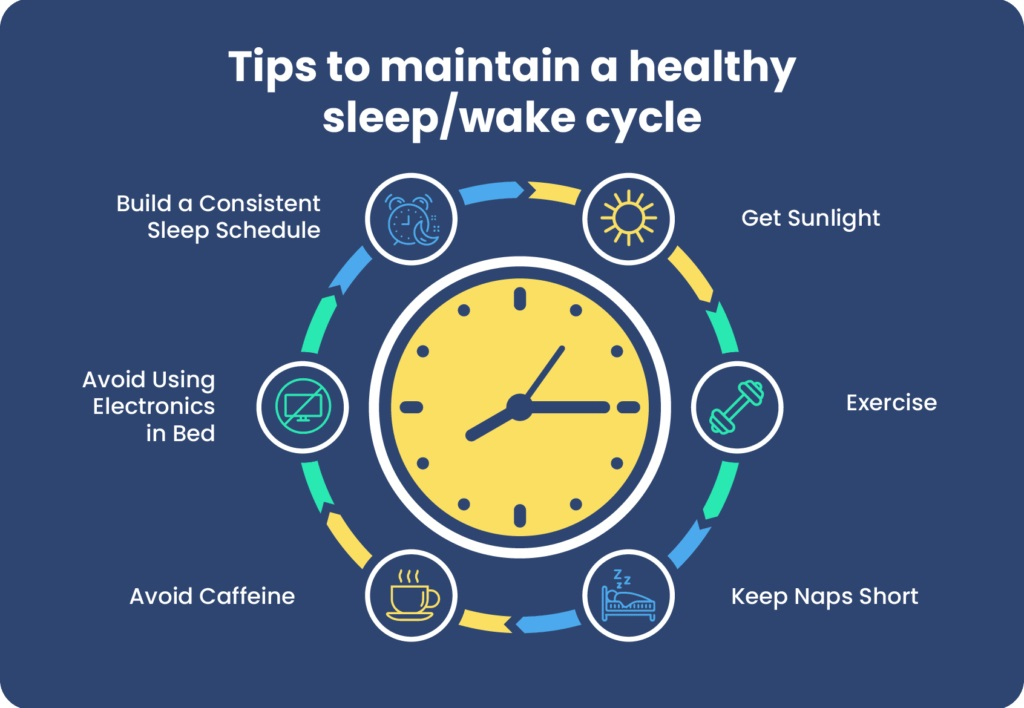
- Establish a Consistent Sleep Schedule: Going to bed and waking up at the same time every day can help regulate your body’s internal clock.
- Avoid Bright Light Before Bedtime: Exposure to bright light in the evening can suppress melatonin production and delay sleep onset. Try dimming lights or using blue-light-blocking glasses before bedtime.
- Create a Relaxing Bedtime Routine: Engage in calming activities before bed, such as reading or taking a warm bath, to signal to your body that it’s time to wind down.
- Avoid Stimulants Close to Bedtime: Limit caffeine intake in the afternoon and evening, as well as stimulating activities that can interfere with your ability to fall asleep.
If you suspect you have delayed circadian rhythm disorder and struggle with persistent sleep issues, consider consulting with a healthcare provider or sleep specialist for further evaluation and personalized treatment recommendations.
9 Benefits of a Delayed Circadian Rhythm: Unlocking Creativity and Productivity at Night
- Enhanced creativity and productivity during late-night hours.
- Ability to focus and concentrate better in the evening.
- Opportunity for night owls to thrive in roles that require late-night work or creativity.
- Potential for more peaceful and uninterrupted work or study time during late hours.
- Enjoyment of quiet and solitude during nighttime for introspection and reflection.
- Flexibility to engage in hobbies, leisure activities, or self-care routines at night.
- Greater alertness and energy levels during late evening hours.
- Opportunity to connect with individuals in different time zones or engage in global interactions during nighttime.
- Potential for increased innovation and problem-solving skills when working on challenges at night.
Challenges of a Delayed Circadian Rhythm: Insomnia, Productivity Issues, and Mental Health Risks
- Increased risk of insomnia and sleep disturbances due to difficulty falling asleep at a desired bedtime.
- Impact on daily productivity and performance, as individuals with delayed circadian rhythm may feel most alert and productive in the evening or late at night.
- Potential negative effects on mental health, such as increased stress, anxiety, and mood disorders resulting from disrupted sleep patterns.
Enhanced creativity and productivity during late-night hours.
Individuals with delayed circadian rhythm often experience a unique advantage in terms of enhanced creativity and productivity during late-night hours. This natural inclination to feel most alert and inspired in the evening can lead to a surge of innovative ideas and focused work during late-night sessions. Harnessing this peak mental energy can result in increased productivity, the ability to think outside the box, and a conducive environment for creative pursuits that may not be as easily achieved during traditional daytime hours. Embracing and leveraging this pro of delayed circadian rhythm can lead to breakthroughs in problem-solving, artistic expression, and overall performance in tasks that require a creative touch.
Ability to focus and concentrate better in the evening.
One advantage of having a delayed circadian rhythm is the ability to focus and concentrate better in the evening. For individuals with this natural tendency, their peak cognitive performance may align with later hours, allowing them to tackle complex tasks, engage in deep work, or study with heightened focus and clarity during nighttime hours. This enhanced concentration in the evening can lead to increased productivity and efficiency in completing tasks that require sustained attention and mental acuity.
Opportunity for night owls to thrive in roles that require late-night work or creativity.
Delayed circadian rhythm can offer a unique advantage for night owls, allowing them to excel in roles that demand late-night work or creativity. Individuals with a delayed circadian rhythm often feel most alert, focused, and productive during the evening hours when others may be winding down. This natural tendency to peak later in the day can be beneficial for professions that require innovative thinking, problem-solving, and artistic expression during nighttime hours. Embracing and leveraging this internal clock variation can empower night owls to thrive in environments where their creative energy and productivity shine brightest after the sun sets.
Potential for more peaceful and uninterrupted work or study time during late hours.
Individuals with delayed circadian rhythm often experience the benefit of having more peaceful and uninterrupted work or study time during late hours. As their peak alertness and productivity levels tend to occur later in the day or evening, they can capitalize on this time to focus on tasks without distractions. This extended period of concentrated effort can lead to enhanced creativity, deeper concentration, and increased efficiency in completing work or studying for exams. Embracing their natural rhythm allows individuals with delayed circadian rhythm to leverage these late-night hours as a valuable opportunity for achieving their goals and maximizing their potential.
Enjoyment of quiet and solitude during nighttime for introspection and reflection.
One benefit of having a delayed circadian rhythm is the opportunity to appreciate the quiet and solitude of nighttime for introspection and reflection. During the late hours when the world around us is still and calm, individuals with a delayed circadian rhythm can find a peaceful environment conducive to deep thinking, self-discovery, and contemplation. This time alone allows for introspection without distractions, fostering creativity, mindfulness, and personal growth in a serene nighttime setting.
Flexibility to engage in hobbies, leisure activities, or self-care routines at night.
One benefit of having a delayed circadian rhythm is the flexibility it offers to engage in hobbies, leisure activities, or self-care routines at night. Individuals with a tendency to be more alert and productive during the evening hours can take advantage of this time to pursue activities that bring them joy and relaxation. Whether it’s reading a book, practicing a creative hobby, or indulging in a calming skincare routine, the evenings can provide a peaceful and uninterrupted space for self-care and personal enjoyment. This flexibility allows individuals with delayed circadian rhythms to tailor their schedules to accommodate their natural energy peaks, enhancing their overall well-being and quality of life.
Greater alertness and energy levels during late evening hours.
Individuals with delayed circadian rhythm often experience a notable pro in the form of greater alertness and energy levels during late evening hours. This heightened state of alertness can lead to increased productivity, creativity, and focus during nighttime hours, allowing individuals to tackle tasks or engage in activities that may be challenging during traditional daytime hours. Embracing this natural energy surge can result in a more efficient use of time and the ability to accomplish tasks effectively during the late evening, making it a beneficial aspect for those with a delayed circadian rhythm.
Opportunity to connect with individuals in different time zones or engage in global interactions during nighttime.
One advantage of having a delayed circadian rhythm is the opportunity it provides to connect with individuals in different time zones or engage in global interactions during nighttime. While many people are winding down for the day, individuals with a delayed circadian rhythm may find themselves more alert and active during late hours, making it easier to communicate with friends, colleagues, or business partners located in different parts of the world. This unique capability can foster global connections, facilitate cross-cultural exchanges, and enhance collaboration on an international scale, leveraging the extended nighttime hours for productive and enriching interactions.
Potential for increased innovation and problem-solving skills when working on challenges at night.
Individuals with delayed circadian rhythm may find a unique advantage in their potential for increased innovation and problem-solving skills when working on challenges at night. As their peak alertness and productivity often coincide with late hours, these individuals may experience heightened creativity and cognitive flexibility during nighttime tasks. This can lead to novel perspectives, out-of-the-box solutions, and innovative approaches to problem-solving, making them valuable contributors in environments that require unconventional thinking and creativity.
Increased risk of insomnia and sleep disturbances due to difficulty falling asleep at a desired bedtime.
Individuals with delayed circadian rhythm face an increased risk of insomnia and other sleep disturbances as they struggle to fall asleep at their desired bedtime. This difficulty in initiating sleep can lead to prolonged periods of tossing and turning in bed, heightened anxiety about not being able to fall asleep, and overall disrupted sleep patterns. The resulting lack of restorative sleep can have detrimental effects on both physical and mental well-being, impacting daytime functioning, mood regulation, cognitive performance, and overall quality of life. Addressing this con of delayed circadian rhythm is crucial in promoting healthy sleep habits and mitigating the risks associated with chronic sleep deprivation.
Impact on daily productivity and performance, as individuals with delayed circadian rhythm may feel most alert and productive in the evening or late at night.
Individuals with delayed circadian rhythm may face a significant con in terms of their daily productivity and performance. This is because they often feel most alert and productive in the evening or late at night, when the rest of the world is winding down. As a result, they may struggle to align their peak cognitive functioning with typical work or school schedules that require early morning starts. This mismatch can lead to decreased productivity, difficulty concentrating, and overall reduced performance during traditional daytime hours, impacting their ability to meet deadlines and perform at their best in various tasks and responsibilities.
Potential negative effects on mental health, such as increased stress, anxiety, and mood disorders resulting from disrupted sleep patterns.
Delayed circadian rhythm can have a significant con when it comes to mental health. The potential negative effects on mental well-being include increased stress, anxiety, and mood disorders that can result from disrupted sleep patterns. When our internal clock is out of sync with our desired sleep schedule, it can lead to chronic sleep deprivation and irregular sleep patterns, which in turn can exacerbate feelings of stress and anxiety. Additionally, the impact of inadequate or poor-quality sleep on mood regulation can contribute to the development or worsening of mood disorders. It’s crucial to address and manage delayed circadian rhythm effectively to mitigate these adverse mental health effects.