The Importance of Leadership Skills
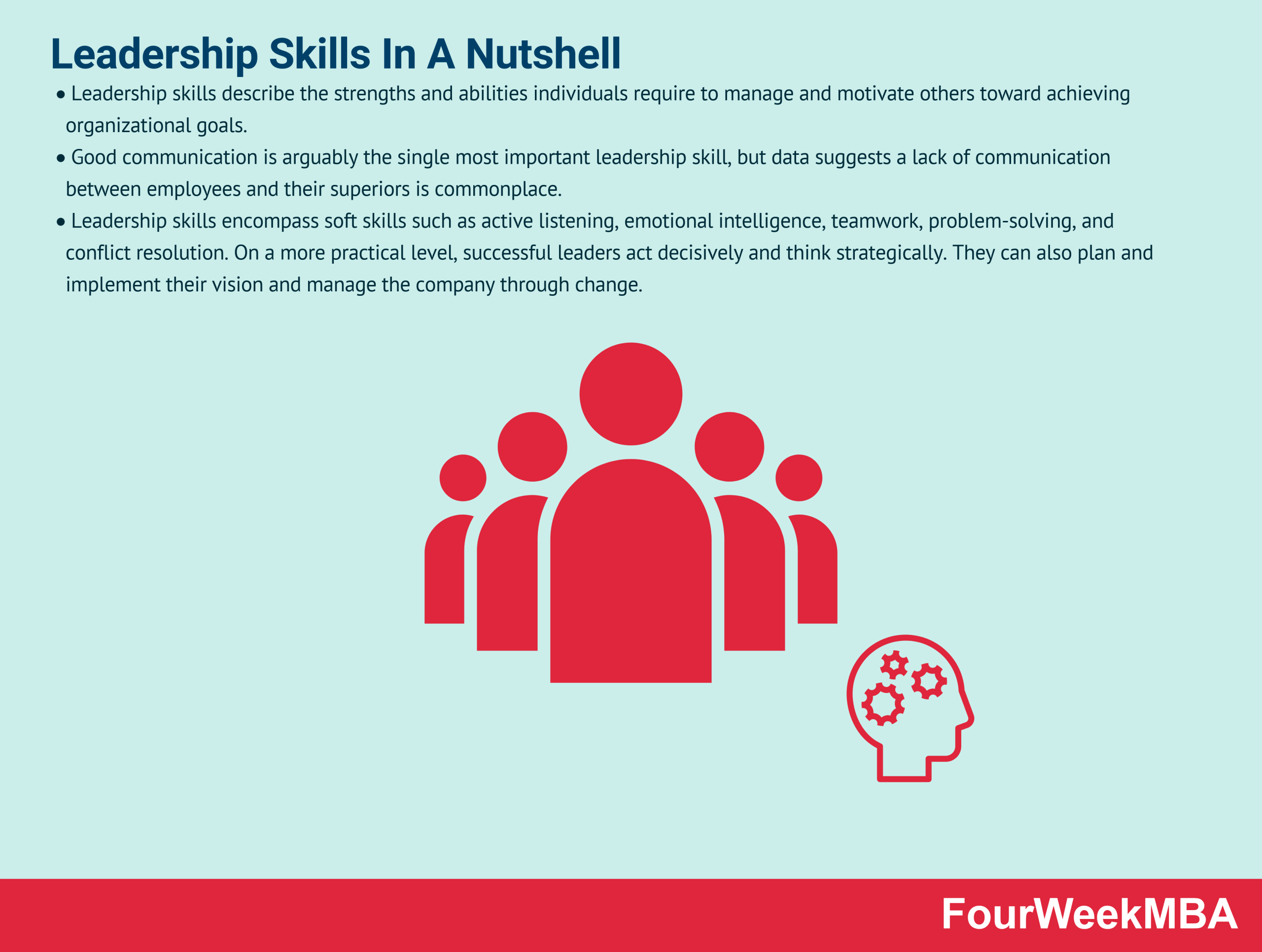
Leadership skills are crucial in both personal and professional settings, as they play a key role in guiding individuals and teams towards success. Effective leadership can inspire others, foster innovation, drive positive change, and create a cohesive and motivated work environment.
Key Aspects of Leadership Skills:
- Vision: A strong leader has a clear vision and can articulate goals that inspire and motivate others to work towards a common objective.
- Communication: Effective communication is essential for a leader to convey ideas, provide feedback, and build strong relationships with team members.
- Decision-Making: Leaders must make informed decisions quickly, weighing risks and benefits to move projects forward and address challenges effectively.
- Adaptability: Flexibility and the ability to adapt to changing circumstances are important qualities that enable leaders to navigate uncertainties and lead with resilience.
- Empathy: Understanding the emotions and perspectives of others fosters trust, collaboration, and a supportive work culture.
- Accountability: Taking responsibility for actions and outcomes demonstrates integrity and builds credibility among team members.
The Impact of Strong Leadership:
A skilled leader can empower individuals to reach their full potential, boost morale, increase productivity, and drive organizational success. By providing guidance, setting clear expectations, offering support, and fostering a positive work environment, leaders can cultivate a culture of excellence where team members feel valued and motivated to excel.
In Conclusion
In conclusion, leadership skills are essential for driving growth, fostering teamwork, achieving goals, and inspiring others to reach new heights. Developing strong leadership abilities through continuous learning, practice, feedback, and self-reflection is key to becoming an effective leader who can positively impact individuals, teams, organizations, and communities.
Understanding the Importance of Leadership Skills: Answers to 7 Key Questions
- 1. Why are leadership skills important in the workplace?
- 2. How can leadership skills benefit an organization?
- 3. What qualities make a good leader?
- 4. How can one develop effective leadership skills?
- 5. What is the impact of strong leadership on team performance?
- 6. How do leadership skills contribute to personal growth and development?
- 7. Can leadership skills be learned or are they innate?
1. Why are leadership skills important in the workplace?
Leadership skills are crucial in the workplace for several reasons. Effective leadership fosters a positive work culture, enhances communication and collaboration among team members, and drives innovation and productivity. Strong leaders inspire and motivate their teams to achieve common goals, navigate challenges with resilience, and adapt to changing circumstances. By demonstrating accountability, empathy, and decisiveness, leaders can build trust, boost morale, and create a supportive environment where employees feel valued and empowered. Ultimately, leadership skills play a vital role in shaping organizational success by guiding individuals towards excellence and driving sustainable growth.
2. How can leadership skills benefit an organization?
Leadership skills can greatly benefit an organization by providing direction, fostering innovation, and driving success. Effective leaders inspire and motivate their teams to work towards common goals, leading to increased productivity and efficiency. Strong leadership encourages collaboration, communication, and problem-solving within the organization, creating a positive work culture that promotes creativity and growth. Additionally, skilled leaders can navigate challenges, make strategic decisions, and adapt to changing circumstances, ultimately positioning the organization for long-term sustainability and success in a competitive business environment.
3. What qualities make a good leader?
When considering what qualities make a good leader, several key attributes stand out. A good leader demonstrates strong communication skills to effectively convey ideas and inspire others. They exhibit empathy and understanding towards team members, fostering trust and collaboration. Decisiveness and the ability to make informed decisions are crucial, as is adaptability in navigating challenges and uncertainties. A good leader leads by example, displaying integrity, accountability, and a clear vision that motivates others to work towards common goals. Ultimately, a combination of these qualities contributes to effective leadership that drives success and fosters a positive work environment.
4. How can one develop effective leadership skills?
Developing effective leadership skills requires a combination of self-awareness, continuous learning, practice, and feedback. One can cultivate leadership abilities by seeking mentorship from experienced leaders, attending leadership development programs or workshops, reading books on leadership, and actively practicing leadership behaviors in various situations. Reflecting on past experiences, receiving constructive feedback from peers or mentors, and being open to self-improvement are also crucial in the development of effective leadership skills. Additionally, honing skills such as communication, decision-making, emotional intelligence, and adaptability can contribute to becoming a more impactful and influential leader.
5. What is the impact of strong leadership on team performance?
Strong leadership has a profound impact on team performance by providing direction, motivation, and support to team members. A skilled leader can inspire individuals to work collaboratively towards common goals, foster a sense of accountability and ownership, and empower team members to unleash their full potential. Effective leadership enhances communication, resolves conflicts, and encourages innovation within the team, leading to improved productivity, higher morale, and overall success in achieving objectives. Ultimately, strong leadership creates a positive work culture where team members feel valued, engaged, and motivated to perform at their best.
6. How do leadership skills contribute to personal growth and development?
Leadership skills play a significant role in fostering personal growth and development by empowering individuals to take charge of their own paths and influence those around them positively. When individuals cultivate leadership skills such as effective communication, decision-making, and empathy, they not only enhance their ability to lead others but also gain valuable insights into their own strengths and areas for improvement. By honing these skills, individuals can become more self-aware, confident, and adaptable in navigating challenges and seizing opportunities for growth. Leadership skills encourage continuous learning, resilience, and a growth mindset that are essential for personal development and achieving long-term success in both professional and personal endeavors.
7. Can leadership skills be learned or are they innate?
The question of whether leadership skills can be learned or are innate is a common one. While some individuals may naturally possess certain qualities that make them effective leaders, such as charisma or decisiveness, leadership skills can also be developed and honed through learning, practice, and experience. By studying leadership principles, receiving guidance from mentors, participating in training programs, and actively seeking opportunities to lead and make decisions, individuals can cultivate and improve their leadership abilities over time. Ultimately, while some aspects of leadership may come more naturally to some people than others, the majority of leadership skills can be acquired and enhanced through dedication and effort.