Healthy Ways to Cope with Stress
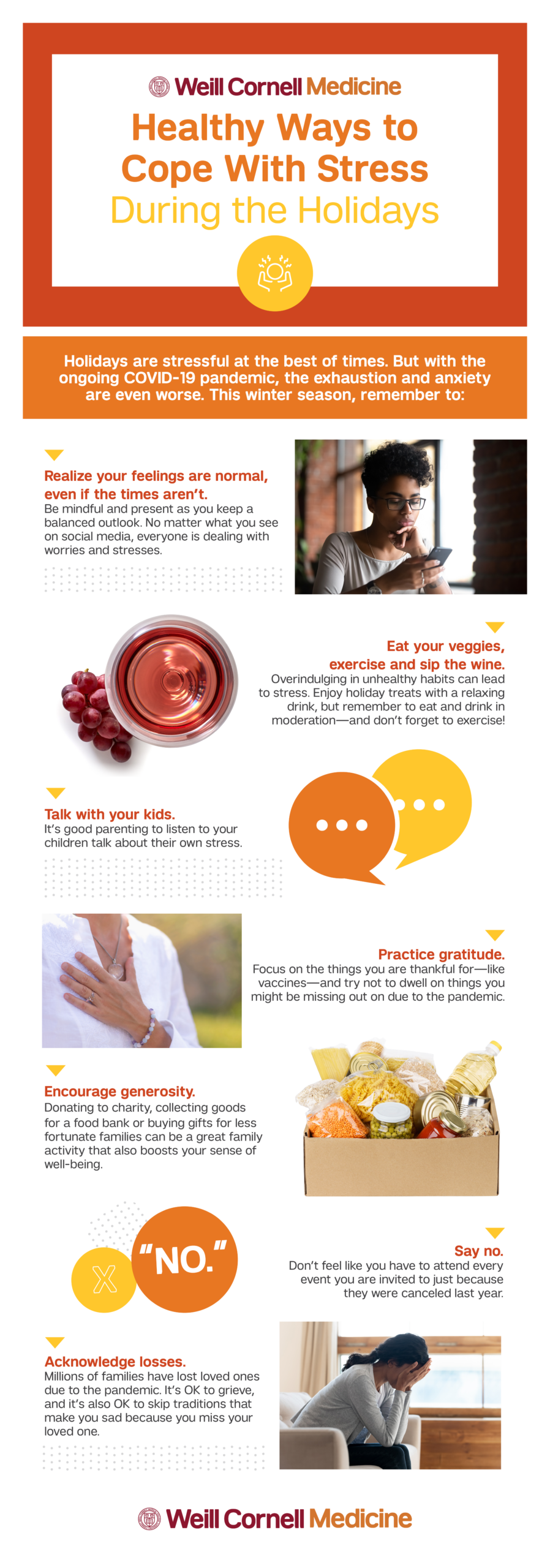
Stress is a common part of life, but how we manage it can have a significant impact on our overall well-being. Instead of turning to unhealthy coping mechanisms like excessive drinking or overeating, consider these healthy ways to cope with stress:
Exercise Regularly
Physical activity is a great way to reduce stress and improve your mood. Whether it’s going for a run, practicing yoga, or taking a brisk walk, exercise releases endorphins that help alleviate stress and boost your mental health.
Practice Mindfulness and Meditation
Mindfulness techniques and meditation can help calm your mind and reduce stress levels. Taking a few minutes each day to focus on your breathing or engage in mindfulness practices can bring about a sense of peace and clarity.
Maintain a Healthy Diet
Eating a balanced diet rich in fruits, vegetables, whole grains, and lean proteins can support your body in times of stress. Avoiding excessive caffeine, sugar, and processed foods can help stabilize your mood and energy levels.
Get Adequate Sleep
Prioritizing good sleep is essential for managing stress effectively. Aim for 7-9 hours of quality sleep each night to allow your body and mind to rest and recharge.
Connect with Others
Building strong social connections can provide emotional support during stressful times. Reach out to friends, family members, or a support group for comfort and encouragement.
Engage in Relaxation Techniques
Taking time for relaxation activities such as deep breathing exercises, progressive muscle relaxation, or indulging in hobbies you enjoy can help reduce tension and promote relaxation.
Seek Professional Help if Needed
If you find that stress is overwhelming you and impacting your daily life, don’t hesitate to seek help from a mental health professional or counselor who can provide guidance and support tailored to your needs.
Incorporating these healthy coping strategies into your daily routine can help you better manage stress and lead a more balanced and fulfilling life.
8 Effective Strategies for Managing Stress: FAQs on Healthy Coping Mechanisms
- What are some healthy ways to cope with stress?
- How can exercise help in managing stress?
- What is the role of mindfulness and meditation in stress management?
- How does maintaining a healthy diet contribute to reducing stress?
- Why is getting an adequate amount of sleep important for coping with stress?
- How can social connections help in dealing with stress?
- What relaxation techniques are effective for managing stress?
- When should I consider seeking professional help for stress management?
What are some healthy ways to cope with stress?
When seeking healthy ways to cope with stress, it’s essential to explore various strategies that promote overall well-being and resilience. Engaging in regular physical activity, practicing mindfulness and meditation, maintaining a balanced diet, prioritizing quality sleep, nurturing social connections, incorporating relaxation techniques into your routine, and seeking professional help when needed are all effective ways to manage stress in a healthy manner. By adopting a holistic approach that addresses both the physical and emotional aspects of stress, individuals can cultivate sustainable coping mechanisms that support their mental health and enhance their quality of life.
How can exercise help in managing stress?
Exercise can be a powerful tool in managing stress due to its ability to release endorphins, also known as “feel-good” hormones, in the body. Engaging in physical activity like running, yoga, or even a brisk walk can help reduce stress levels and improve mood. Exercise not only provides a distraction from daily worries but also promotes relaxation and boosts self-esteem. Additionally, regular exercise can enhance overall physical health, which in turn can build resilience against the negative effects of stress on the body and mind. Incorporating exercise into your routine is a proactive and healthy way to cope with stress and improve your well-being.
What is the role of mindfulness and meditation in stress management?
Mindfulness and meditation play a crucial role in stress management by helping individuals cultivate a present-focused awareness and develop a sense of calm and clarity amidst life’s challenges. Mindfulness involves being fully present in the moment, acknowledging thoughts and feelings without judgment, which can help reduce the impact of stressors on our mental well-being. Meditation, on the other hand, allows individuals to quiet the mind, practice deep breathing, and promote relaxation, all of which contribute to lowering stress levels and improving overall resilience. By incorporating mindfulness and meditation practices into our daily routines, we can enhance our ability to cope with stress more effectively and nurture a greater sense of inner peace.
How does maintaining a healthy diet contribute to reducing stress?
Maintaining a healthy diet plays a crucial role in reducing stress levels and promoting overall well-being. A balanced diet rich in nutrients such as fruits, vegetables, whole grains, and lean proteins provides the body with the necessary fuel to function optimally, including during times of stress. Certain foods, like those high in antioxidants and omega-3 fatty acids, have been shown to have mood-boosting and stress-reducing effects. In contrast, consuming excessive caffeine, sugar, or processed foods can lead to energy crashes and mood fluctuations that may exacerbate stress. By nourishing the body with wholesome foods, individuals can better manage stress, stabilize their mood, and support their mental health.
Why is getting an adequate amount of sleep important for coping with stress?
Getting an adequate amount of sleep is crucial for coping with stress because sleep plays a significant role in our body’s ability to recover and recharge. During sleep, our bodies undergo essential processes that help regulate stress hormones, repair tissues, and consolidate memories. Lack of sleep can lead to heightened stress levels, impaired cognitive function, and increased irritability, making it more challenging to cope with daily stressors effectively. By prioritizing good quality sleep, we give our bodies the opportunity to rest and restore balance, enhancing our resilience and ability to manage stress in a healthier way.
How can social connections help in dealing with stress?
Social connections play a crucial role in helping individuals deal with stress effectively. When we engage with friends, family members, or a support network, we can share our feelings and experiences, gaining emotional support and perspective. Simply talking to someone who listens attentively can provide comfort and reassurance during challenging times. Social connections also offer opportunities for distraction, laughter, and shared activities that can help reduce tension and promote relaxation. By fostering strong relationships and building a sense of community, individuals can feel more supported, understood, and resilient in the face of stressors.
What relaxation techniques are effective for managing stress?
When seeking effective relaxation techniques to manage stress, various methods can be beneficial in promoting calmness and reducing tension. Mindfulness meditation, deep breathing exercises, progressive muscle relaxation, and guided imagery are popular approaches that can help alleviate stress levels. Engaging in activities such as yoga, tai chi, or taking a warm bath can also promote relaxation and mental well-being. Finding the right technique that resonates with you and incorporating it into your daily routine can significantly contribute to managing stress effectively and enhancing overall emotional resilience.
When should I consider seeking professional help for stress management?
Knowing when to seek professional help for stress management is crucial for maintaining your well-being. If you find that stress is significantly impacting your daily life, relationships, work performance, or physical health, it may be time to consider reaching out to a mental health professional. Persistent feelings of overwhelming anxiety, inability to cope with stressors, changes in sleep or eating patterns, and a sense of hopelessness are all signs that professional guidance could be beneficial. Seeking help is a proactive step towards better understanding and managing your stress levels effectively, ensuring you have the support and resources needed to navigate challenging times with resilience and strength.