Meditation to Reduce Stress: A Simple Practice for Everyday Life
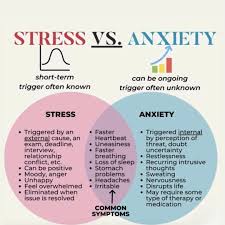
Stress is a normal response to pressure, uncertainty, or change. But when stress sticks around, it can affect sleep, concentration, mood, and overall well-being. Meditation offers one practical way to pause, settle your attention, and respond to stressful moments with greater awareness.
How meditation may help
Meditation is a practice of directing attention, often toward the breath, bodily sensations, or a chosen phrase. Thoughts and distractions will still arise; the practice is noticing them and gently returning attention to the present moment.
With regular practice, meditation may help people become more aware of stress reactions and less caught up in them. It can also encourage relaxation and support emotional well-being. Meditation is not a way to eliminate every difficult thought or feeling, and its effects vary from person to person.
A five-minute meditation for stress
- Choose a comfortable position. Sit in a chair or lie down somewhere you can be still for a few minutes.
- Settle your attention. Notice the points where your body meets the chair, floor, or bed.
- Follow your breath. Pay attention to the feeling of breathing in and breathing out. There is no need to change your breathing.
- Notice when your mind wanders. Thoughts, sounds, and sensations are part of the experience. Acknowledge them without criticizing yourself.
- Return gently. Bring your attention back to your breath or the feeling of your body resting.
- Finish gradually. Take a moment to notice how you feel, then return to your day.
Making meditation a regular habit
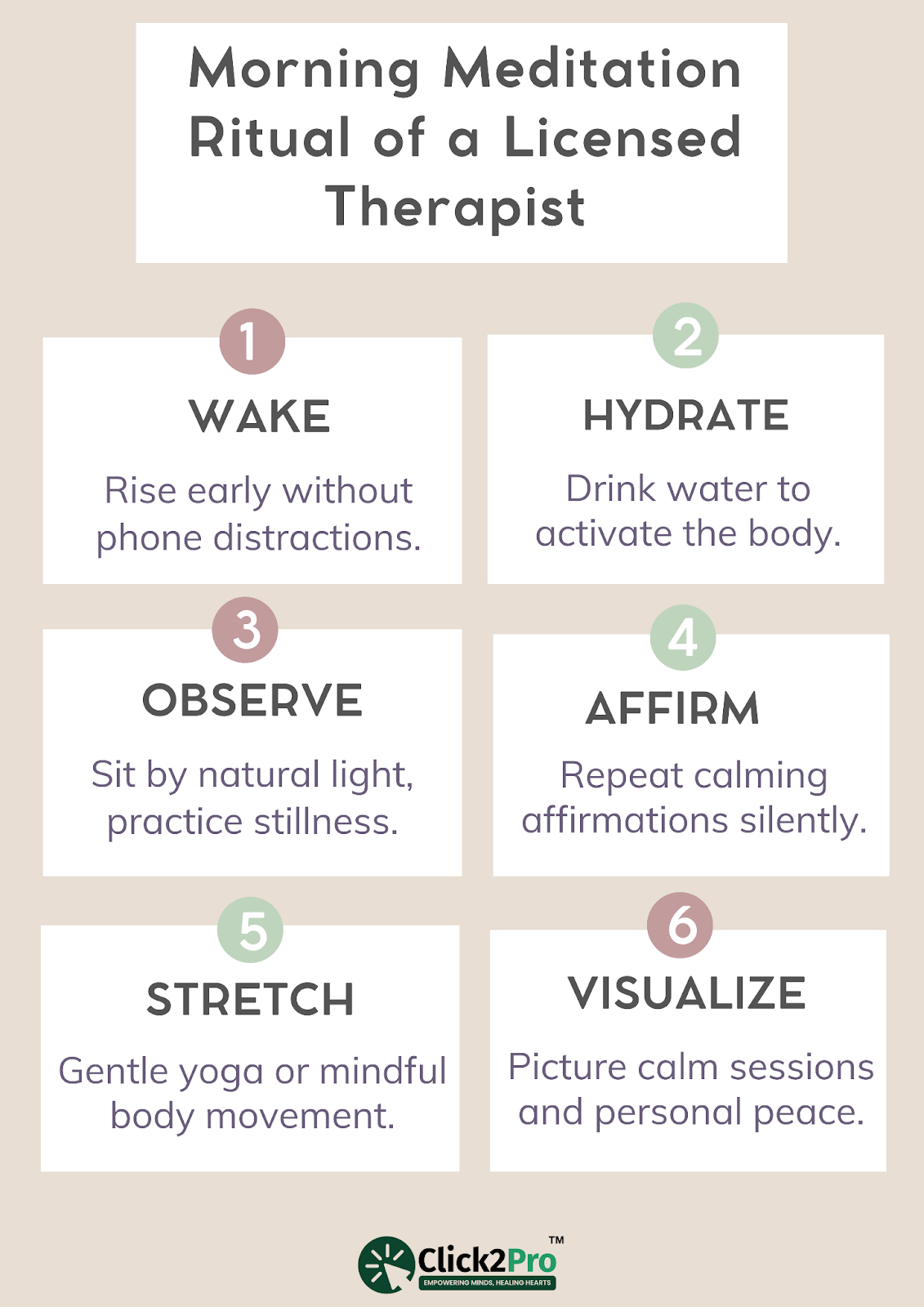
Start with a few minutes rather than aiming for a long session. Choose a time that fits your routine, such as after waking up or before bed. A quiet space can help, but it is not essential; meditation can also be practiced during a break or while waiting in a calm place.
Consistency matters more than perfection. Some sessions may feel peaceful, while others may be full of distractions. Both are normal. The goal is not to empty your mind, but to practice noticing where your attention goes and bringing it back with patience.
Other approaches to try
- Body scan: Slowly move your attention through different parts of your body, noticing sensations without needing to change them.
- Mindful walking: Pay attention to the movement of your feet, the feeling of the ground, and the sights and sounds around you.
- Guided meditation: Follow audio instructions if it is difficult to meditate on your own.
- Loving-kindness meditation: Silently offer wishes of well-being to yourself and others.
When meditation feels uncomfortable
For some people, becoming quiet and focusing inward can bring up difficult emotions or feel unsettling. If that happens, try keeping your eyes open, choosing a grounding focus such as sounds in the room, or practicing for a shorter time. You can stop whenever you need to. If stress is persistent or interfering with daily life, consider talking with a qualified health professional. Meditation can be a helpful tool, but it is not a substitute for professional care.
A small pause can make a difference
Meditation does not require special equipment or a perfect setting. A few minutes of deliberate attention can create space between a stressful moment and your response to it. Start small, be patient with yourself, and explore the style of practice that feels most comfortable.
9 Simple Meditation Tips to Reduce Stress
- Start with just five minutes a day.
- Find a quiet, comfortable spot.
- Sit in a relaxed, upright position.
- Focus on slow, steady breathing.
- Notice thoughts without judging them.
- Gently return attention to your breath.
- Try a guided meditation if helpful.
- Practice at the same time each day.
- Be patient; consistency matters more than perfection.
Start with just five minutes a day.
Start with just five minutes of meditation a day to make the habit feel manageable and easy to fit into your routine. Find a comfortable place, focus on your breathing, and gently bring your attention back whenever your mind wanders. You don’t need to clear your mind or get every session “right”—showing up regularly is what matters. As the practice becomes familiar, you can gradually meditate for longer if you’d like.
Find a quiet, comfortable spot.
Find a quiet, comfortable spot where you can sit or lie down without being disturbed. A peaceful setting can make it easier to focus on your breath and settle into meditation, but it doesn’t have to be perfectly silent or specially arranged. Choose a place where your body feels supported, silence notifications if possible, and give yourself a few minutes to pause.
Sit in a relaxed, upright position.
Sit in a relaxed, upright position that feels comfortable and supported. Let your shoulders soften, rest your hands loosely, and keep your head balanced over your spine. You don’t need to sit perfectly still or hold a rigid posture—the goal is to feel at ease while staying alert enough to focus on your breath.
Focus on slow, steady breathing.
Focus on slow, steady breathing to give your attention a calm, simple anchor. Breathe in gently through your nose and let the breath out slowly, without forcing it or trying to make it perfect. When your mind wanders, notice where it went and return your attention to the next breath. Even a few minutes of this practice can help you pause, feel more grounded, and approach stress with greater calm.
Notice thoughts without judging them.
When meditating, notice thoughts as they come and go without labeling them as good or bad. If your mind wanders, that’s normal—gently acknowledge the thought and bring your attention back to your breath or another point of focus. This nonjudgmental approach can help you feel less caught up in stressful thoughts and more grounded in the present moment.
Gently return attention to your breath.
When your mind wanders during meditation, gently bring your attention back to your breath. There’s no need to judge yourself or force your thoughts away—simply notice the distraction, then focus again on the feeling of breathing in and out. Each return is part of the practice, helping you build calm and steady attention one breath at a time.
Try a guided meditation if helpful.
If you’re new to meditation or find it hard to focus, try a guided meditation. A calm voice can lead you through breathing, relaxation, or visualization, giving your attention something simple to follow. Choose a short session that feels comfortable, and remember that it’s okay if your mind wanders—just gently return to the guide’s instructions.
Practice at the same time each day.
Practicing meditation at the same time each day can make it easier to build a steady habit. Choose a time that fits naturally into your routine, such as after waking up or before bed, and set aside a few quiet minutes. With regular practice, meditation can become a familiar pause in your day—a simple opportunity to slow down, focus on the present, and ease stress.
Be patient; consistency matters more than perfection.
Be patient with yourself as you build a meditation practice. Your mind will wander, and some sessions may feel easier than others—that’s completely normal. Rather than aiming for a perfect, distraction-free experience, focus on showing up regularly, even for just a few minutes. Over time, consistency can help meditation become a steady, supportive part of your routine.