The Benefits of Suboxone Therapy in Addiction Treatment
Suboxone therapy, a medication-assisted treatment for opioid addiction, has been gaining recognition for its effectiveness in helping individuals overcome substance use disorders. Suboxone is a combination of buprenorphine and naloxone, which work together to reduce cravings and withdrawal symptoms associated with opioid dependence.
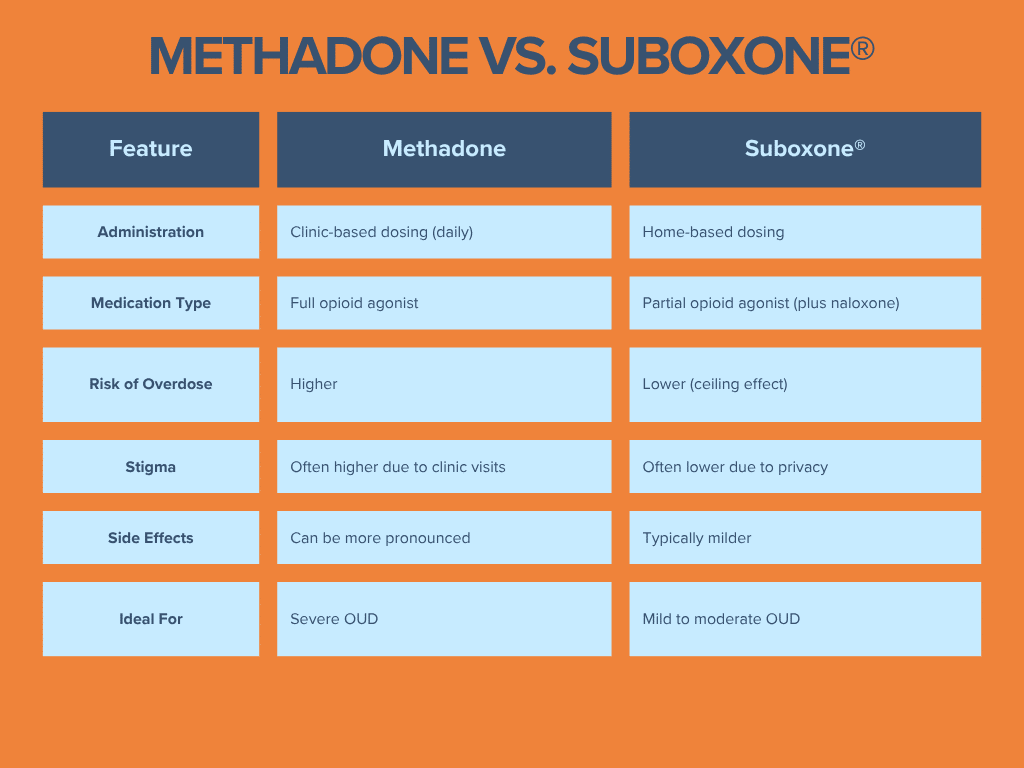
One of the key benefits of Suboxone therapy is its ability to help individuals manage their addiction while minimizing the risk of overdose. Buprenorphine, a partial opioid agonist, activates the same receptors in the brain as opioids but to a lesser extent. This helps reduce cravings and withdrawal symptoms without producing the same euphoric effects as full opioids.
Naloxone, on the other hand, is an opioid antagonist that blocks the effects of opioids and can reverse an overdose if one occurs. The combination of buprenorphine and naloxone in Suboxone makes it a safer option for individuals seeking to break free from opioid addiction.
Furthermore, Suboxone therapy can be administered in an outpatient setting, allowing individuals to continue their daily activities while receiving treatment. This flexibility makes it more accessible and convenient for those seeking help for their addiction.
Studies have shown that Suboxone therapy can significantly improve treatment outcomes for individuals struggling with opioid addiction. It has been associated with reduced illicit drug use, lower rates of relapse, and improved overall quality of life for patients.
It’s important to note that Suboxone therapy is most effective when combined with counseling and behavioral therapies as part of a comprehensive treatment plan. These additional interventions help address the underlying causes of addiction and support long-term recovery.
In conclusion, Suboxone therapy offers a safe and effective approach to managing opioid addiction by reducing cravings, minimizing withdrawal symptoms, and lowering the risk of overdose. If you or someone you know is struggling with opioid dependence, consider exploring the benefits of Suboxone therapy as part of a comprehensive addiction treatment program.
7 Essential Tips for Effective Suboxone Therapy Management
- Follow the prescribed dosage and schedule provided by your healthcare provider.
- Inform your healthcare provider about any other medications or substances you are using before starting suboxone therapy.
- Attend regular follow-up appointments to monitor progress and adjust treatment if needed.
- Avoid consuming alcohol or illicit drugs while undergoing suboxone therapy.
- Store suboxone safely out of reach of children and in a secure location.
- Be aware of potential side effects such as dizziness, drowsiness, or nausea, and report them to your healthcare provider.
- Seek support from counseling or support groups to complement suboxone therapy for better outcomes.
Follow the prescribed dosage and schedule provided by your healthcare provider.
It is crucial to adhere to the prescribed dosage and schedule of Suboxone therapy as directed by your healthcare provider. Following the recommended dosage and schedule ensures that you receive the optimal benefits of the medication while minimizing the risk of side effects or complications. Your healthcare provider will tailor the dosage to your individual needs, so it is important to communicate openly with them about any concerns or changes in your condition. Consistency in following the prescribed regimen is key to successful treatment outcomes in Suboxone therapy for opioid addiction.
Inform your healthcare provider about any other medications or substances you are using before starting suboxone therapy.
It is crucial to inform your healthcare provider about any other medications or substances you are using before starting Suboxone therapy. This information is essential for ensuring the safe and effective use of Suboxone and minimizing the risk of potential interactions between medications. Your healthcare provider needs a comprehensive understanding of your current medication regimen to tailor the treatment plan to your specific needs and circumstances. By disclosing all medications and substances you are using, you can help your healthcare provider make informed decisions that prioritize your well-being during Suboxone therapy.
Attend regular follow-up appointments to monitor progress and adjust treatment if needed.
Regular follow-up appointments are a crucial aspect of Suboxone therapy to monitor progress and make any necessary adjustments to the treatment plan. These appointments provide healthcare providers with the opportunity to assess how the individual is responding to the medication, address any concerns or challenges that may arise, and ensure that the treatment remains effective in supporting recovery from opioid addiction. By attending regular follow-up appointments, individuals can receive personalized care and support tailored to their specific needs, ultimately enhancing the effectiveness of Suboxone therapy in helping them achieve long-term sobriety.
Avoid consuming alcohol or illicit drugs while undergoing suboxone therapy.
It is crucial to adhere to the recommendation of avoiding alcohol or illicit drugs while undergoing Suboxone therapy. Consuming alcohol or other substances can interfere with the effectiveness of the treatment and may lead to adverse reactions or complications. By abstaining from these substances, individuals can optimize the benefits of Suboxone therapy, reduce the risk of relapse, and enhance their progress towards recovery from opioid addiction. It is essential to follow this guideline to ensure a safe and successful treatment experience.
Store suboxone safely out of reach of children and in a secure location.
It is crucial to store Suboxone safely out of reach of children and in a secure location. Suboxone contains medications that can be harmful if ingested accidentally, especially by young children. By keeping Suboxone in a secure place, such as a locked cabinet or drawer, you can prevent unintended access and ensure the safety of your family members. Proper storage practices help minimize the risk of misuse or accidental ingestion, promoting a safe environment for everyone in the household.
Be aware of potential side effects such as dizziness, drowsiness, or nausea, and report them to your healthcare provider.
It is important to be mindful of potential side effects that may arise during Suboxone therapy, such as dizziness, drowsiness, or nausea. These symptoms can impact your daily activities and overall well-being. If you experience any of these side effects, it is crucial to promptly report them to your healthcare provider. By communicating openly about your experiences, your healthcare provider can adjust your treatment plan as needed to ensure your safety and comfort throughout the course of Suboxone therapy.
Seek support from counseling or support groups to complement suboxone therapy for better outcomes.
Seeking support from counseling or support groups can significantly enhance the effectiveness of Suboxone therapy in treating opioid addiction. Counseling and support groups provide a valuable source of emotional support, guidance, and accountability during the recovery process. These additional interventions help individuals address underlying psychological factors contributing to their addiction, develop coping strategies, and build a strong network of peers who understand their struggles. By combining Suboxone therapy with counseling or support group participation, individuals can experience more comprehensive care and better outcomes in their journey towards long-term recovery.