Effective Relaxation Techniques for Managing Anxiety Disorder
Anxiety disorders can be overwhelming and debilitating, affecting millions of people worldwide. While medication and therapy are common treatments, incorporating relaxation techniques into your daily routine can also help manage anxiety symptoms effectively. Here are some proven relaxation techniques that can provide relief and promote a sense of calm:
Deep Breathing Exercises
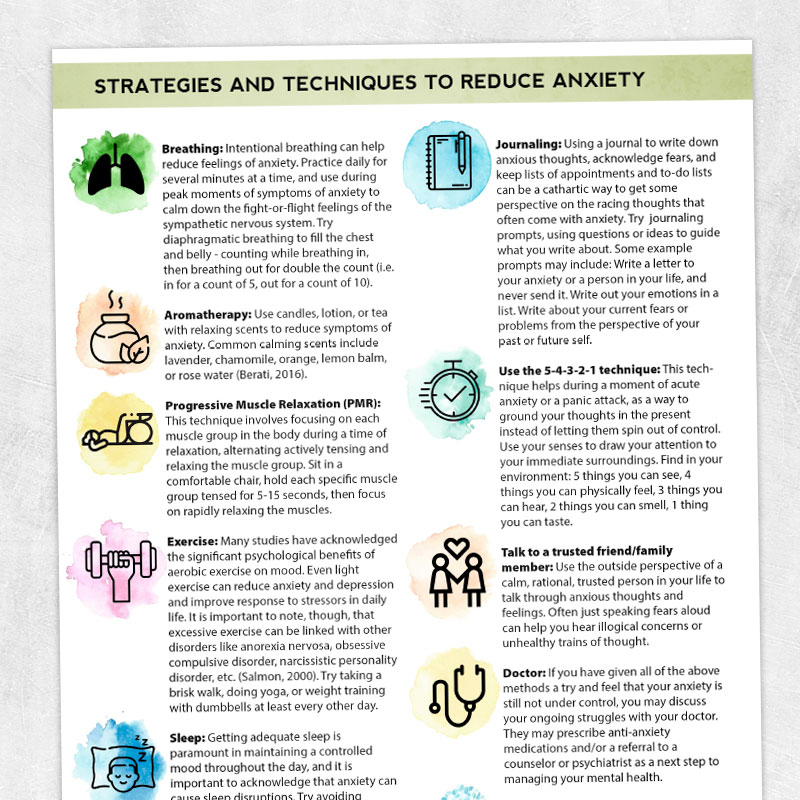
Practice deep breathing exercises to calm your mind and body. Take slow, deep breaths in through your nose, hold for a few seconds, and exhale slowly through your mouth. Repeat this process several times to reduce anxiety levels.
Progressive Muscle Relaxation
Tense and relax each muscle group in your body, starting from your toes and working your way up to your head. This technique helps release physical tension and promotes relaxation throughout the body.
Mindfulness Meditation
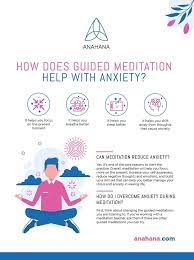
Engage in mindfulness meditation to focus on the present moment without judgment. Pay attention to your thoughts and sensations without getting caught up in them. Mindfulness meditation can help reduce anxiety by promoting a sense of awareness and acceptance.
Guided Imagery
Visualize a peaceful scene or scenario that brings you comfort and relaxation. Close your eyes and immerse yourself in this mental image, focusing on the details and sensations. Guided imagery can help distract you from anxious thoughts and create a sense of calmness.
Progressive Relaxation Techniques
Practice progressive relaxation by systematically tensing and relaxing different muscle groups in your body. This technique helps release physical tension and promotes overall relaxation, reducing anxiety levels in the process.
Incorporating these relaxation techniques into your daily routine can significantly improve your ability to manage anxiety disorder symptoms effectively. Remember that consistency is key, so make an effort to practice these techniques regularly for optimal results.
If you find it challenging to implement these techniques on your own, consider seeking guidance from a mental health professional or therapist who can provide additional support and resources tailored to your specific needs.
6 Effective Relaxation Techniques to Manage Anxiety Disorders
- Practice deep breathing exercises
- Engage in regular physical activity
- Try progressive muscle relaxation techniques
- Practice mindfulness and meditation
- Maintain a healthy diet and stay hydrated
- Get enough quality sleep
Practice deep breathing exercises
Practicing deep breathing exercises is a simple yet powerful technique to help manage anxiety disorder symptoms. By focusing on slow, deep breaths in through the nose and out through the mouth, individuals can activate the body’s relaxation response, calming both the mind and body. Deep breathing exercises can reduce feelings of stress and tension, promote a sense of mindfulness, and provide immediate relief during moments of heightened anxiety. Incorporating this technique into daily routines can be beneficial for overall well-being and mental health management.
Engage in regular physical activity
Engaging in regular physical activity is a powerful tool for managing anxiety disorder. Exercise helps release endorphins, which are natural mood lifters that can reduce feelings of stress and anxiety. Whether it’s going for a brisk walk, practicing yoga, or hitting the gym, physical activity can provide a much-needed outlet for pent-up energy and tension. Additionally, regular exercise promotes better sleep quality, boosts self-esteem, and enhances overall well-being, all of which are beneficial for individuals struggling with anxiety. By incorporating physical activity into your routine, you can experience both physical and mental health benefits that contribute to a more balanced and resilient mindset.
Try progressive muscle relaxation techniques
Progressive muscle relaxation techniques involve systematically tensing and relaxing different muscle groups in the body to release physical tension and promote relaxation. By focusing on each muscle group individually, you can become more aware of areas where you hold tension and learn to consciously relax those muscles. This technique not only helps reduce physical symptoms of anxiety but also calms the mind and promotes a sense of overall well-being. Regular practice of progressive muscle relaxation can be a valuable tool in managing anxiety disorder and improving your ability to cope with stress effectively.
Practice mindfulness and meditation
Practicing mindfulness and meditation is a powerful tip for managing anxiety disorder. By incorporating mindfulness techniques into your daily routine, you can cultivate a sense of awareness and presence in the moment, helping to calm racing thoughts and reduce stress levels. Meditation allows you to focus on your breath, body sensations, or a specific point of focus, promoting relaxation and mental clarity. Consistent practice of mindfulness and meditation can enhance your ability to cope with anxiety triggers and foster a greater sense of inner peace and well-being.
Maintain a healthy diet and stay hydrated
Maintaining a healthy diet and staying hydrated are essential components of managing anxiety disorder. A balanced diet rich in fruits, vegetables, whole grains, and lean proteins can help regulate mood and energy levels, reducing the risk of anxiety symptoms. Additionally, staying hydrated by drinking an adequate amount of water throughout the day can support brain function and overall well-being, contributing to a sense of calmness and mental clarity. By prioritizing nutrition and hydration, individuals can enhance their resilience to stress and promote a healthier mindset in coping with anxiety.
Get enough quality sleep
Getting enough quality sleep is crucial for managing anxiety disorder effectively. Sleep plays a significant role in regulating emotions, cognitive function, and overall well-being. When we are sleep-deprived, our anxiety levels can increase, making it challenging to cope with stress and uncertainty. Establishing a consistent bedtime routine, creating a comfortable sleep environment, and practicing relaxation techniques before bed can help improve the quality of your sleep and reduce anxiety symptoms. Prioritizing restful sleep is essential for maintaining mental health and resilience in the face of anxiety disorder challenges.