The Relationship Between Depression and Motivation
Depression is a complex mental health condition that can have a profound impact on a person’s motivation. Individuals experiencing depression often struggle with feelings of sadness, hopelessness, and lack of interest in activities they once enjoyed. These symptoms can significantly diminish their drive and enthusiasm to pursue goals and engage in daily tasks.
One of the key characteristics of depression is the pervasive feeling of fatigue and lethargy that can make even simple activities feel overwhelming. This sense of physical and emotional exhaustion can sap motivation and make it challenging for individuals to find the energy to take positive steps forward.
Furthermore, depression can distort one’s perception of themselves and the world around them, leading to negative self-talk, self-doubt, and feelings of worthlessness. These internal struggles can further erode motivation and make it difficult for individuals to believe in their ability to achieve their goals.
It is essential for individuals experiencing depression to seek professional help and support to address their mental health concerns. Therapy, medication, lifestyle changes, and self-care practices can all play a role in managing depression symptoms and improving motivation levels.
Building motivation while dealing with depression may involve setting small, achievable goals, practicing self-compassion, engaging in activities that bring joy or fulfillment, establishing routines, seeking social support, and celebrating progress no matter how small.
Remember that recovery from depression takes time and effort, but with the right support system in place, individuals can gradually regain their motivation and work towards a brighter future.
Understanding Depression and Motivation: Answers to 8 Common Questions
- What is depression and how does it affect motivation?
- Can depression cause a lack of motivation?
- How can I differentiate between feeling demotivated and experiencing symptoms of depression?
- What are some common signs of depression that may impact motivation?
- Are there specific strategies to boost motivation when dealing with depression?
- Is it normal to feel unmotivated during periods of depression?
- How can therapy or counseling help improve motivation in individuals with depression?
- What role does self-care play in managing depression and enhancing motivation?
What is depression and how does it affect motivation?
Depression is a mental health condition characterized by persistent feelings of sadness, hopelessness, and a lack of interest in activities that were once enjoyable. When it comes to motivation, depression can have a significant impact by causing individuals to experience a profound sense of fatigue, lethargy, and emotional exhaustion. These symptoms can make even simple tasks feel overwhelming and drain individuals of the energy needed to pursue their goals. Depression can also distort one’s self-perception, leading to negative thoughts, self-doubt, and feelings of worthlessness that further diminish motivation. Seeking professional help and implementing strategies to manage depression symptoms are crucial steps in addressing its effects on motivation and overall well-being.
Can depression cause a lack of motivation?
Depression can indeed cause a significant lack of motivation in individuals who are affected by the condition. The feelings of sadness, hopelessness, and fatigue that often accompany depression can make it challenging for people to find the drive and energy to pursue their goals or engage in activities they once found enjoyable. This lack of motivation can further exacerbate the symptoms of depression, creating a cycle that can be difficult to break without proper support and intervention. It is crucial for individuals experiencing this issue to seek help from mental health professionals who can provide guidance and strategies to address both the depression and the associated lack of motivation.
How can I differentiate between feeling demotivated and experiencing symptoms of depression?
When trying to differentiate between feeling demotivated and experiencing symptoms of depression, it’s essential to consider the duration, intensity, and impact of these feelings on your daily life. Feeling demotivated is a common experience that may arise from temporary setbacks, stress, or fatigue. It often passes with time or a change in circumstances. On the other hand, symptoms of depression, such as persistent feelings of sadness, hopelessness, loss of interest in activities, changes in appetite or sleep patterns, and difficulty concentrating or making decisions, tend to be more intense and long-lasting. If you find that your lack of motivation is accompanied by these symptoms and is significantly impacting your well-being and functioning over an extended period, it may be indicative of depression rather than just temporary demotivation. Seeking professional help and support can provide clarity and guidance in navigating these emotions effectively.
What are some common signs of depression that may impact motivation?
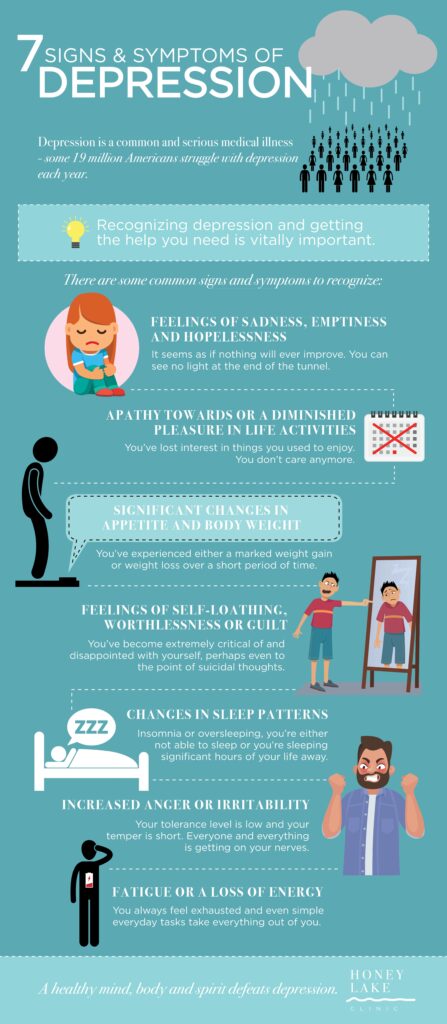
Common signs of depression that may impact motivation include persistent feelings of sadness or emptiness, loss of interest in activities once enjoyed, changes in appetite and weight, difficulty sleeping or oversleeping, fatigue or lack of energy, feelings of worthlessness or guilt, difficulty concentrating or making decisions, irritability or restlessness, and thoughts of death or suicide. These symptoms can significantly diminish a person’s motivation to engage in daily tasks, pursue goals, and take care of themselves. It is important to recognize these signs early on and seek professional help to address both the symptoms of depression and the impact on motivation.
Are there specific strategies to boost motivation when dealing with depression?
When grappling with depression, individuals often wonder if there are specific strategies to enhance motivation. While each person’s journey is unique, there are several effective approaches that can help boost motivation in the face of depression. Setting small, achievable goals, practicing self-care and self-compassion, engaging in activities that bring joy or fulfillment, establishing routines, seeking social support, and celebrating even the smallest victories can all play a significant role in fostering motivation during challenging times. Working closely with a mental health professional can also provide personalized strategies and support tailored to an individual’s needs and circumstances. Remember that progress may be gradual, but with dedication and the right tools, it is possible to cultivate motivation even in the midst of depression.
Is it normal to feel unmotivated during periods of depression?
It is normal to feel unmotivated during periods of depression. Depression can significantly impact a person’s motivation, leading to feelings of lethargy, apathy, and disinterest in activities that were once enjoyable. The pervasive sense of sadness and hopelessness that often accompanies depression can make it challenging for individuals to find the drive and energy to engage in daily tasks or pursue their goals. Recognizing and acknowledging this lack of motivation as a common symptom of depression is an important step towards seeking appropriate support and treatment to address both the mental health condition and its effects on motivation.
How can therapy or counseling help improve motivation in individuals with depression?
Therapy or counseling can be instrumental in improving motivation in individuals with depression by providing a supportive and non-judgmental space to explore and address the underlying issues contributing to their lack of motivation. Through therapy, individuals can gain insight into their thought patterns, behaviors, and emotions, helping them identify and challenge negative beliefs that may be hindering their motivation. Therapists can also offer practical strategies and tools to help individuals set realistic goals, develop coping skills, and cultivate self-compassion, ultimately empowering them to take steps towards regaining motivation and making positive changes in their lives.
What role does self-care play in managing depression and enhancing motivation?
Self-care plays a crucial role in managing depression and enhancing motivation by providing individuals with the tools and practices to prioritize their mental and emotional well-being. Engaging in self-care activities such as exercise, mindfulness, adequate sleep, healthy nutrition, and setting boundaries can help individuals cope with the symptoms of depression and build resilience. By taking time to care for themselves, individuals can recharge their energy levels, improve their mood, and cultivate a sense of self-worth. Self-care acts as a foundation for mental health recovery, empowering individuals to nurture themselves and develop the motivation needed to navigate challenges and pursue their goals with renewed vigor.