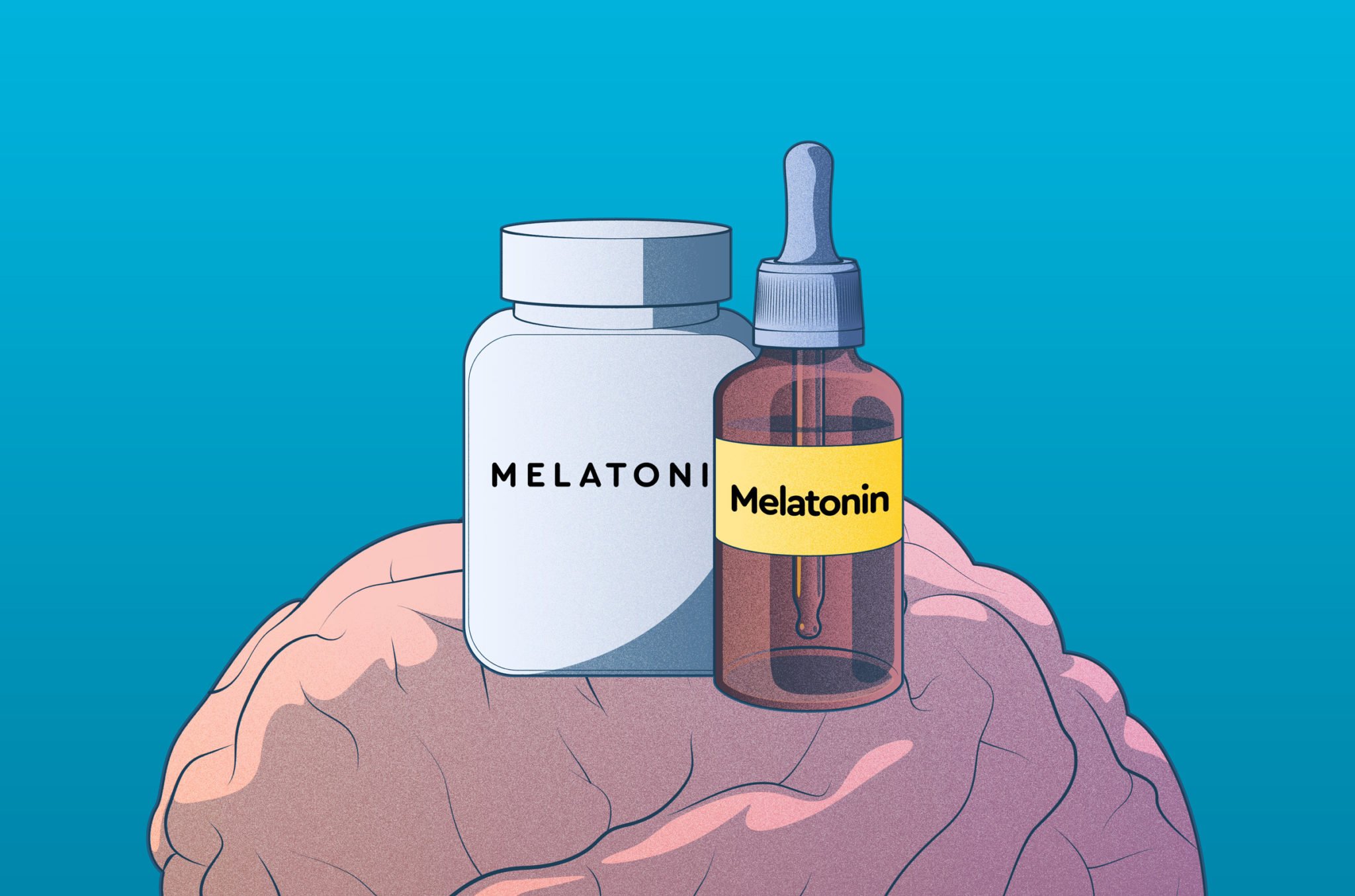
Andrew Huberman and Melatonin: Understanding the Role of Sleep Hormones
Dr. Andrew Huberman, a renowned neuroscientist, has been shedding light on the importance of melatonin in regulating our sleep-wake cycles. Melatonin is a hormone produced by the pineal gland in response to darkness, helping to signal to our bodies that it’s time to sleep.
Huberman emphasizes the crucial role that melatonin plays in maintaining healthy sleep patterns and overall well-being. He explains that exposure to artificial light, especially blue light emitted by electronic devices, can disrupt our natural melatonin production and interfere with our ability to fall asleep.
By understanding how melatonin works, we can make informed choices to optimize our sleep hygiene. Huberman suggests creating a bedtime routine that includes dimming lights, avoiding screens at least an hour before bed, and creating a cool, dark environment conducive to melatonin production.
Research has shown that disruptions in melatonin levels can have far-reaching effects on our health, including increased risk of chronic conditions such as obesity, diabetes, and cardiovascular disease. By prioritizing healthy sleep habits and supporting our body’s natural production of melatonin, we can improve our overall health and well-being.
As Dr. Andrew Huberman continues his research into the intricate workings of the brain and sleep hormones like melatonin, his insights provide valuable guidance for those seeking to enhance their sleep quality and lead healthier lives.
Unlocking the Power of Melatonin: Andrew Huberman’s Insights on Sleep, Health, and Well-Being
- Andrew Huberman’s research sheds light on the importance of melatonin in regulating sleep-wake cycles.
- His insights help us understand how melatonin production is influenced by exposure to artificial light.
- Huberman emphasizes the role of melatonin in maintaining healthy sleep patterns and overall well-being.
- He provides practical tips for optimizing sleep hygiene, such as creating a bedtime routine that supports melatonin production.
- Research shows that disruptions in melatonin levels can impact our health, making Huberman’s work crucial for promoting wellness.
- By following Huberman’s advice on managing light exposure, individuals can improve their sleep quality and health outcomes.
- Huberman’s findings highlight the link between melatonin and chronic conditions like obesity, diabetes, and cardiovascular disease.
- Understanding how melatonin works can empower individuals to make informed choices to support their body’s natural rhythms.
- Dr. Andrew Huberman’s research continues to offer valuable insights into enhancing sleep quality and overall well-being.
7 Potential Drawbacks of Melatonin Use According to Andrew Huberman
- Overconsumption of melatonin supplements can disrupt the body’s natural production of the hormone.
- Melatonin supplements may interact with certain medications, leading to potential side effects.
- Individual responses to melatonin supplementation can vary, making it challenging to determine the optimal dosage for each person.
- Long-term effects of regular melatonin use are still being studied and may have unknown risks.
- Dependency on melatonin supplements for sleep may hinder the body’s ability to produce sufficient levels of the hormone naturally.
- Some individuals may experience grogginess or drowsiness as a side effect of taking melatonin supplements.
- Melatonin is not a cure-all for sleep issues and should be used in conjunction with other healthy sleep habits.
Andrew Huberman’s research sheds light on the importance of melatonin in regulating sleep-wake cycles.
Andrew Huberman’s research illuminates the significance of melatonin in orchestrating our sleep-wake cycles. By delving into the role of this hormone produced by the pineal gland, Huberman underscores how melatonin serves as a crucial regulator that signals our bodies when it’s time to rest. Understanding the pivotal role that melatonin plays in maintaining healthy sleep patterns empowers individuals to make informed choices to optimize their sleep hygiene and overall well-being.
His insights help us understand how melatonin production is influenced by exposure to artificial light.
One significant benefit of Andrew Huberman’s work on melatonin is his elucidation of how melatonin production is affected by exposure to artificial light. By examining the impact of artificial light, particularly blue light from electronic devices, on our body’s ability to produce melatonin, Huberman’s insights highlight the importance of creating a sleep-friendly environment that supports natural melatonin production. Understanding this relationship allows us to make informed choices about managing our exposure to artificial light and optimizing our sleep hygiene for better overall health and well-being.
Huberman emphasizes the role of melatonin in maintaining healthy sleep patterns and overall well-being.
Dr. Andrew Huberman underscores the significance of melatonin in preserving optimal sleep patterns and promoting overall well-being. By highlighting the pivotal role that melatonin plays in regulating our sleep-wake cycles, Huberman emphasizes the importance of nurturing healthy sleep habits to support our physical and mental health. Understanding and prioritizing the natural production of melatonin can lead to improved sleep quality, enhanced cognitive function, and a stronger foundation for overall wellness.
He provides practical tips for optimizing sleep hygiene, such as creating a bedtime routine that supports melatonin production.
Andrew Huberman offers valuable insights into optimizing sleep hygiene by providing practical tips that support melatonin production. By emphasizing the importance of creating a bedtime routine that promotes the natural production of melatonin, Huberman helps individuals establish healthy sleep habits. Implementing strategies such as dimming lights, avoiding electronic devices before bed, and creating a relaxing sleep environment can enhance the body’s ability to produce melatonin effectively, leading to improved sleep quality and overall well-being.
Research shows that disruptions in melatonin levels can impact our health, making Huberman’s work crucial for promoting wellness.
Research has demonstrated that disturbances in melatonin levels can have significant implications for our health, underscoring the importance of Dr. Andrew Huberman’s work in promoting wellness. By delving into the effects of melatonin on our sleep patterns and overall well-being, Huberman’s research offers valuable insights into how optimizing melatonin production can positively impact our health outcomes. Emphasizing the pivotal role of melatonin in regulating our circadian rhythms, Huberman’s work highlights the necessity of maintaining balanced melatonin levels to support overall health and vitality.
By following Huberman’s advice on managing light exposure, individuals can improve their sleep quality and health outcomes.
By following Dr. Andrew Huberman’s advice on managing light exposure, individuals can improve their sleep quality and health outcomes. Understanding the impact of light on melatonin production and sleep-wake cycles allows people to make informed choices in creating a sleep-friendly environment. By minimizing exposure to artificial light, especially blue light from screens, and prioritizing dim lighting before bedtime, individuals can support their body’s natural production of melatonin and enhance their overall sleep quality. This proactive approach not only promotes better rest but also contributes to better health outcomes by reducing the risk of chronic conditions associated with poor sleep habits.
Huberman’s findings highlight the link between melatonin and chronic conditions like obesity, diabetes, and cardiovascular disease.
Dr. Andrew Huberman’s research underscores the significant connection between melatonin levels and the development of chronic conditions such as obesity, diabetes, and cardiovascular disease. By elucidating how disruptions in melatonin production can impact our health, Huberman’s work emphasizes the importance of maintaining healthy sleep patterns and supporting natural melatonin synthesis to mitigate the risk of these prevalent health issues. This insight serves as a crucial reminder of the vital role that melatonin plays in our overall well-being and underscores the significance of prioritizing quality sleep for long-term health benefits.
Understanding how melatonin works can empower individuals to make informed choices to support their body’s natural rhythms.
Understanding how melatonin works can empower individuals to make informed choices to support their body’s natural rhythms. By recognizing the role of melatonin in regulating sleep-wake cycles and its sensitivity to light exposure, individuals can tailor their environment and habits to optimize melatonin production. This knowledge enables people to create bedtime routines that promote better sleep quality, leading to improved overall health and well-being. Andrew Huberman’s insights on melatonin offer a valuable perspective on how small lifestyle adjustments can have a significant impact on our sleep patterns and daily performance.
Dr. Andrew Huberman’s research continues to offer valuable insights into enhancing sleep quality and overall well-being.
Dr. Andrew Huberman’s ongoing research provides valuable insights into improving sleep quality and overall well-being. By delving into the role of melatonin and its impact on our sleep-wake cycles, Dr. Huberman offers practical strategies to optimize our sleep hygiene and support our body’s natural processes. His work not only highlights the importance of healthy sleep habits but also underscores the significant impact that quality sleep has on our physical and mental health. Through his research, Dr. Huberman empowers individuals to make informed choices that can lead to better sleep outcomes and ultimately enhance their overall well-being.
Overconsumption of melatonin supplements can disrupt the body’s natural production of the hormone.
Overconsumption of melatonin supplements can disrupt the body’s natural production of the hormone. While melatonin supplements can be beneficial for addressing sleep issues, excessive intake can lead to a downregulation of the body’s own melatonin production. This can create a dependency on external sources of melatonin and may result in decreased effectiveness over time. It is important to use melatonin supplements judiciously and under the guidance of a healthcare professional to avoid disrupting the delicate balance of the body’s natural sleep regulation mechanisms.
Melatonin supplements may interact with certain medications, leading to potential side effects.
Melatonin supplements, while often used to support sleep and regulate circadian rhythms, can pose a con when it comes to potential interactions with certain medications. It’s important to be cautious, as melatonin may interact with various drugs, including blood thinners, immunosuppressants, and medications for diabetes or high blood pressure. These interactions could lead to unwanted side effects or reduced effectiveness of the medications. Therefore, individuals considering melatonin supplementation should consult with a healthcare provider to ensure its safe use alongside any other prescribed medications.
Individual responses to melatonin supplementation can vary, making it challenging to determine the optimal dosage for each person.
Individual responses to melatonin supplementation can vary significantly, posing a challenge in determining the optimal dosage for each person. Factors such as age, weight, underlying health conditions, and sensitivity to the hormone can all influence how individuals react to melatonin supplements. This variability highlights the importance of personalized approaches to sleep management and the need for careful monitoring and adjustment of melatonin dosages based on individual responses. Consulting with a healthcare professional or sleep specialist can help individuals navigate these complexities and tailor their melatonin supplementation regimen for maximum effectiveness.
Long-term effects of regular melatonin use are still being studied and may have unknown risks.
The long-term effects of regular melatonin use are a concern that researchers, including Dr. Andrew Huberman, are actively investigating. While melatonin is generally considered safe for short-term use to address sleep issues, its prolonged and consistent use raises questions about potential unknown risks. As studies continue to explore the impact of extended melatonin supplementation on various aspects of health, including hormonal balance and immune function, it is important for individuals to be cautious and consult healthcare professionals before incorporating melatonin into their daily routine for an extended period.
Dependency on melatonin supplements for sleep may hinder the body’s ability to produce sufficient levels of the hormone naturally.
Relying on melatonin supplements to aid in sleep may pose a significant drawback as it could potentially disrupt the body’s natural ability to produce adequate levels of the hormone on its own. Continuous dependence on external sources of melatonin may signal to the body that it no longer needs to generate the hormone internally, leading to a potential decrease in natural melatonin production over time. This dependency can create a cycle where the body becomes reliant on supplementation for sleep regulation, hindering its innate ability to maintain optimal levels of melatonin and potentially impacting overall sleep quality in the long run.
Some individuals may experience grogginess or drowsiness as a side effect of taking melatonin supplements.
Some individuals may encounter grogginess or drowsiness as a downside of using melatonin supplements. While melatonin is commonly used to improve sleep quality and regulate sleep-wake cycles, its sedative effects can sometimes linger into the next day, leading to feelings of sluggishness or fatigue. It’s important for individuals considering melatonin supplementation to be aware of this potential side effect and to adjust their dosage or timing in consultation with a healthcare provider to minimize any unwanted drowsiness while still benefiting from the hormone’s sleep-promoting properties.
Melatonin is not a cure-all for sleep issues and should be used in conjunction with other healthy sleep habits.
While melatonin plays a significant role in regulating our sleep-wake cycles, it is essential to recognize that it is not a cure-all for sleep issues. Dr. Andrew Huberman emphasizes that melatonin should be used in conjunction with other healthy sleep habits to optimize our restorative rest. Factors such as maintaining a consistent sleep schedule, creating a relaxing bedtime routine, and ensuring a comfortable sleep environment all contribute to overall sleep quality. By integrating melatonin supplementation with these holistic approaches, individuals can better address their sleep challenges and promote sustainable improvements in their rest patterns.