The Role of Melatonin in Sleep Regulation
Sleep is a vital aspect of our overall health and well-being. It plays a crucial role in physical and mental recovery, cognitive function, and emotional regulation. One key player in the regulation of our sleep-wake cycle is melatonin.
Melatonin is a hormone produced by the pineal gland in the brain in response to darkness. It helps regulate our circadian rhythm, also known as our internal body clock, which controls when we feel sleepy and when we feel awake. The production of melatonin is influenced by light exposure – levels rise in the evening as it gets dark, signaling to our bodies that it’s time to sleep.
Supplemental melatonin is commonly used to treat sleep disorders such as insomnia or jet lag. It can help improve sleep quality and reduce the time it takes to fall asleep. However, it’s important to use melatonin supplements with caution and under the guidance of a healthcare provider, as improper use can disrupt the natural production of melatonin in the body.
Factors such as age, light exposure, and certain medical conditions can affect melatonin levels and disrupt our sleep patterns. Maintaining good sleep hygiene practices, such as creating a relaxing bedtime routine, reducing exposure to screens before bed, and keeping your bedroom dark and cool, can help support healthy melatonin production and improve your overall sleep quality.
In conclusion, melatonin plays a crucial role in regulating our sleep-wake cycle. By understanding how this hormone influences our circadian rhythm and implementing strategies to support its natural production, we can optimize our sleep patterns and promote better overall health.
Understanding Melatonin: Answers to Common Questions About Sleep and Supplementation
- What is melatonin and how does it relate to sleep?
- How does melatonin help regulate the sleep-wake cycle?
- Is melatonin a safe and effective treatment for insomnia?
- What factors can affect the production of melatonin in the body?
- Can melatonin supplements help with jet lag or shift work sleep disorder?
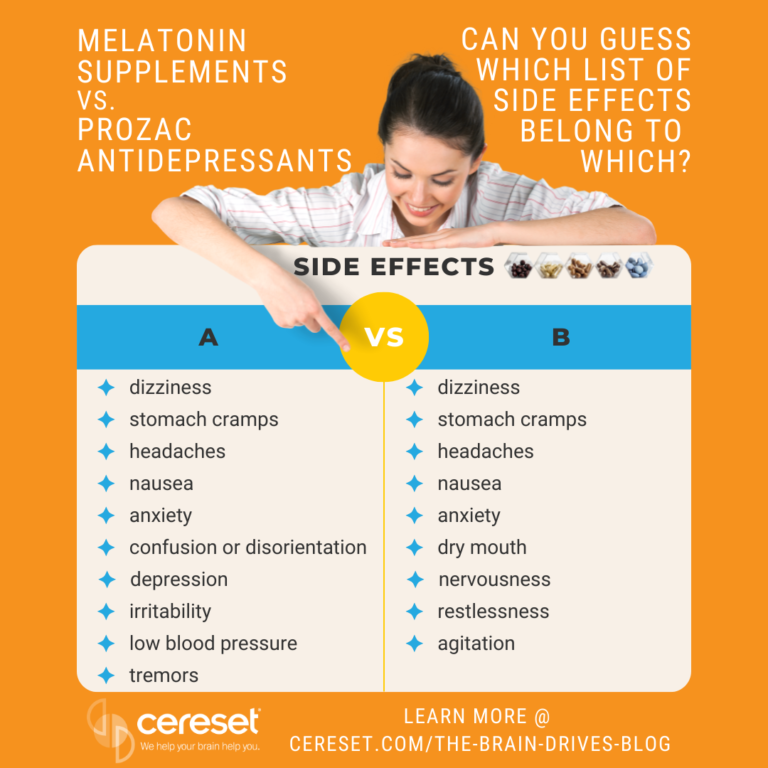
- Are there any side effects or risks associated with taking melatonin supplements?
- What is the recommended dosage of melatonin for improving sleep quality?
- How long does it take for melatonin to start working when taken as a supplement?
- Are there any natural ways to boost melatonin production for better sleep?
What is melatonin and how does it relate to sleep?
Melatonin is a hormone produced by the pineal gland in the brain that plays a key role in regulating our sleep-wake cycle. This hormone is released in response to darkness, signaling to our bodies that it’s time to sleep. Melatonin levels naturally rise in the evening as it gets dark, helping us feel sleepy and facilitating the onset of sleep. By understanding the relationship between melatonin and sleep, we can appreciate how this hormone influences our circadian rhythm and supports healthy sleep patterns.
How does melatonin help regulate the sleep-wake cycle?
Melatonin helps regulate the sleep-wake cycle by acting as a signal to our bodies that it is time to sleep. Produced by the pineal gland in response to darkness, melatonin levels rise in the evening, signaling to our internal body clock that it is nighttime. This hormone helps synchronize our biological rhythms with the natural day-night cycle, promoting feelings of sleepiness and preparing our bodies for rest. By influencing when we feel sleepy and when we feel awake, melatonin plays a crucial role in maintaining a healthy sleep-wake cycle and supporting overall quality of sleep.
Is melatonin a safe and effective treatment for insomnia?
Melatonin is often considered a safe and effective treatment for insomnia for many individuals. As a naturally occurring hormone that regulates our sleep-wake cycle, melatonin supplements can help improve sleep quality and reduce the time it takes to fall asleep. However, it’s important to consult with a healthcare provider before starting melatonin supplementation, as dosage and timing are crucial factors in its effectiveness. While melatonin is generally well-tolerated, side effects such as drowsiness, headaches, or changes in mood may occur in some individuals. Additionally, long-term use of melatonin should be monitored to ensure it continues to be beneficial without disrupting the body’s natural production of the hormone.
What factors can affect the production of melatonin in the body?
Various factors can influence the production of melatonin in the body. One significant factor is light exposure, as melatonin levels typically rise in response to darkness, signaling the body that it’s time to sleep. Exposure to artificial light, especially from screens like smartphones and computers before bedtime, can suppress melatonin production and disrupt the natural sleep-wake cycle. Age can also play a role, as melatonin production tends to decrease with age, potentially affecting sleep quality. Additionally, certain medical conditions, such as sleep disorders or hormonal imbalances, can impact melatonin levels. Creating a sleep-friendly environment by minimizing light exposure and establishing a consistent bedtime routine can help support healthy melatonin production and improve overall sleep quality.
Can melatonin supplements help with jet lag or shift work sleep disorder?
Melatonin supplements have been shown to be effective in helping individuals manage jet lag or shift work sleep disorder. By taking melatonin supplements at specific times, such as before bedtime or during travel, individuals can adjust their circadian rhythm and improve their sleep quality. For those experiencing jet lag from crossing multiple time zones or struggling with irregular work schedules in shift work sleep disorder, melatonin supplements can aid in resetting the body’s internal clock and promoting a smoother transition to new sleep patterns. It is important to consult with a healthcare provider before using melatonin supplements to ensure proper dosage and timing for optimal results.
Are there any side effects or risks associated with taking melatonin supplements?
Taking melatonin supplements may have some side effects and risks associated with them. While melatonin is generally considered safe for short-term use, some individuals may experience side effects such as dizziness, nausea, headaches, or daytime drowsiness. It’s important to take melatonin supplements at the recommended dosage and under the guidance of a healthcare provider to minimize these risks. Long-term use of melatonin supplements or taking them inappropriately can disrupt the body’s natural production of melatonin and potentially affect the sleep-wake cycle. Additionally, certain groups of people, such as pregnant or nursing women, individuals with certain medical conditions, or those taking specific medications, should consult with a healthcare professional before using melatonin supplements to ensure safety and effectiveness.
What is the recommended dosage of melatonin for improving sleep quality?
The recommended dosage of melatonin for improving sleep quality can vary depending on individual factors such as age, weight, and the specific sleep issue being addressed. In general, it is advisable to start with a low dose, typically between 0.5 to 3 milligrams, taken about 30 minutes to an hour before bedtime. It is important to consult with a healthcare provider before starting melatonin supplementation to determine the appropriate dosage for your specific needs and to ensure there are no potential interactions with other medications or underlying health conditions. Adjustments to the dosage may be necessary based on individual response and effectiveness in improving sleep quality.
How long does it take for melatonin to start working when taken as a supplement?
When taken as a supplement, melatonin typically starts working within 30 minutes to an hour. The exact timing can vary depending on factors such as the individual’s metabolism, the dosage of melatonin taken, and whether it’s taken with or without food. It’s important to follow the recommended dosage instructions provided by a healthcare provider or on the supplement packaging to ensure optimal effectiveness. Additionally, incorporating good sleep hygiene practices alongside melatonin supplementation can further enhance its benefits in promoting better sleep quality and regulating the sleep-wake cycle.
Are there any natural ways to boost melatonin production for better sleep?
Many natural ways can help boost melatonin production for better sleep. One effective strategy is to maintain a consistent sleep schedule by going to bed and waking up at the same time each day, as this helps regulate the body’s internal clock. Exposure to natural light during the day and limiting exposure to artificial light, especially blue light from screens, in the evening can also support healthy melatonin production. Additionally, incorporating relaxation techniques such as meditation, deep breathing exercises, or gentle yoga before bedtime can help reduce stress and promote a more restful night’s sleep. Lastly, consuming foods rich in melatonin precursors like nuts, seeds, fruits (such as cherries), and vegetables (such as corn and asparagus) may also aid in boosting melatonin levels naturally.