Understanding Insomnia: A Common Sleep Disorder
Insomnia is a prevalent sleep disorder that affects millions of people worldwide. It is characterized by difficulty falling asleep, staying asleep, or experiencing non-restorative sleep, leading to daytime fatigue, irritability, and impaired cognitive function.
There are two main types of insomnia: acute and chronic. Acute insomnia is short-term and often triggered by stressful events such as work deadlines or personal issues. Chronic insomnia, on the other hand, persists for at least three nights a week for three months or more and can have a significant impact on one’s overall health and quality of life.
Several factors can contribute to the development of insomnia, including stress, anxiety, depression, poor sleep habits, certain medications, and underlying medical conditions. It is essential to address these root causes to effectively manage insomnia and improve sleep quality.
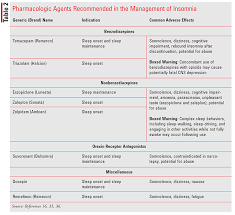
Treatment options for insomnia may include lifestyle changes (such as maintaining a consistent sleep schedule and creating a relaxing bedtime routine), cognitive-behavioral therapy for insomnia (CBT-I), relaxation techniques, and in some cases, medication prescribed by a healthcare provider.
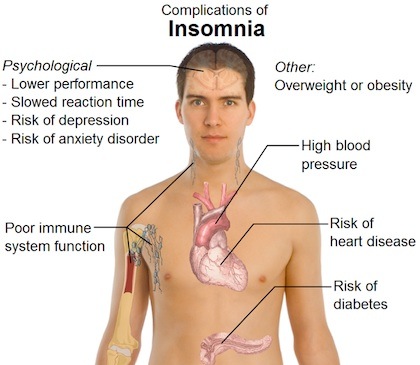
It is crucial for individuals experiencing symptoms of insomnia to seek help from a healthcare professional to receive an accurate diagnosis and appropriate treatment plan. Ignoring chronic sleep disturbances can lead to long-term health consequences and decreased quality of life.
By raising awareness about insomnia as a common sleep disorder and promoting healthy sleep habits, we can work towards better sleep health for individuals affected by this condition.
Top 7 Frequently Asked Questions About Insomnia and Effective Solutions
- How to deal with severe insomnia?
- How do you fix sleep with insomnia?
- What is the best treatment for insomnia?
- What are the 3 types of insomnia?
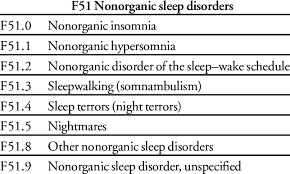
- What sleep disorders cause insomnia?
- When to go to the ER for insomnia?
- Can sleep insomnia be cured?
How to deal with severe insomnia?
Dealing with severe insomnia can be challenging, but there are strategies that can help improve sleep quality and manage symptoms effectively. It is crucial to seek guidance from a healthcare professional to receive a proper diagnosis and personalized treatment plan. Cognitive-behavioral therapy for insomnia (CBT-I) has been shown to be an effective approach in treating severe insomnia by addressing negative thought patterns and behaviors that may contribute to sleep difficulties. Additionally, creating a relaxing bedtime routine, maintaining a consistent sleep schedule, avoiding stimulants like caffeine close to bedtime, and creating a comfortable sleep environment can also aid in managing severe insomnia symptoms. In some cases, medication prescribed by a healthcare provider may be necessary to help regulate sleep patterns and promote restful sleep.
How do you fix sleep with insomnia?
Addressing sleep issues associated with insomnia requires a comprehensive approach that focuses on improving sleep hygiene and addressing underlying causes. To fix sleep problems related to insomnia, it is essential to establish a consistent bedtime routine, create a calm and comfortable sleep environment, avoid stimulants like caffeine close to bedtime, and limit screen time before sleeping. Additionally, practicing relaxation techniques such as deep breathing or meditation can help calm the mind and promote better sleep. Seeking professional help from a healthcare provider or sleep specialist may also be necessary to explore treatment options like cognitive-behavioral therapy for insomnia (CBT-I) or medication if deemed appropriate. By implementing these strategies and seeking appropriate guidance, individuals can take proactive steps towards improving their sleep quality and managing insomnia effectively.
What is the best treatment for insomnia?
When it comes to treating insomnia, the most effective approach often involves a combination of strategies tailored to the individual’s specific needs. The best treatment for insomnia typically includes lifestyle modifications, such as maintaining a consistent sleep schedule, creating a relaxing bedtime routine, and avoiding stimulants like caffeine close to bedtime. Cognitive-behavioral therapy for insomnia (CBT-I) has also been shown to be highly effective in addressing the underlying causes of sleep disturbances and improving sleep quality. In some cases, healthcare providers may recommend medications as part of a comprehensive treatment plan. It is essential for individuals experiencing insomnia to consult with a healthcare professional to determine the most appropriate and personalized treatment approach for their specific situation.
What are the 3 types of insomnia?
There are three main types of insomnia: transient insomnia, acute insomnia, and chronic insomnia. Transient insomnia is short-term and typically lasts for a few nights to a few weeks, often triggered by temporary stressors or changes in routine. Acute insomnia is more severe and can last for several weeks, usually due to ongoing stress, anxiety, or medical conditions. Chronic insomnia is the most serious type, persisting for at least three nights a week for three months or longer, significantly impacting an individual’s overall well-being and requiring professional intervention for management.
What sleep disorders cause insomnia?
Various sleep disorders can contribute to the development of insomnia. Conditions such as sleep apnea, restless legs syndrome, and circadian rhythm disorders are known to disrupt the normal sleep cycle and lead to difficulties falling asleep or staying asleep. Sleep apnea, characterized by pauses in breathing during sleep, can result in fragmented sleep and daytime fatigue. Restless legs syndrome causes uncomfortable sensations in the legs that worsen at night, making it challenging to relax and fall asleep. Circadian rhythm disorders, such as delayed sleep phase disorder or shift work disorder, can disrupt the body’s natural sleep-wake cycle, leading to insomnia symptoms. Identifying and addressing these underlying sleep disorders is crucial in effectively managing insomnia and improving overall sleep quality.
When to go to the ER for insomnia?
If you are experiencing severe symptoms of insomnia that significantly impact your daily functioning and well-being, it may be necessary to consider seeking emergency medical care at the ER. Signs that indicate a need for urgent evaluation include extreme sleep deprivation, persistent hallucinations or delusions, thoughts of self-harm or suicide, or if insomnia is accompanied by other concerning symptoms such as chest pain or difficulty breathing. It is important to prioritize your health and safety, and seeking prompt medical attention in such cases can help address any underlying issues and ensure appropriate treatment for your insomnia.
Can sleep insomnia be cured?
Many individuals wonder if sleep insomnia can be cured. While there is no one-size-fits-all answer, it is important to understand that insomnia is a complex sleep disorder with various underlying causes. Treatment options for insomnia focus on managing symptoms, improving sleep quality, and addressing contributing factors such as stress, anxiety, and poor sleep habits. With the right combination of lifestyle changes, therapy, and possibly medication under the guidance of a healthcare professional, many individuals can effectively manage their insomnia symptoms and improve their overall sleep health. It is essential to seek proper diagnosis and treatment to address insomnia effectively and enhance quality of life.