Bipolar 1 and Bipolar 2: Understanding the Key Differences
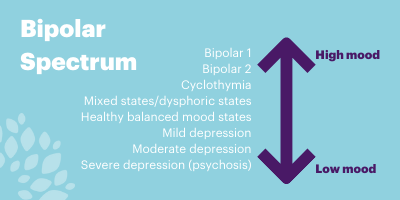
Bipolar disorder is a mental health condition characterized by extreme mood swings that include emotional highs (mania or hypomania) and lows (depression). There are different types of bipolar disorder, with bipolar 1 and bipolar 2 being the most commonly diagnosed forms. While they share similarities, there are key differences between the two.
Bipolar 1 Disorder:
In bipolar 1 disorder, a person experiences manic episodes that last at least seven days or are severe enough to require immediate hospital care. These manic episodes may be accompanied by depressive episodes or mixed episodes (symptoms of both mania and depression occurring simultaneously).
Bipolar 2 Disorder:
Bipolar 2 disorder is characterized by a pattern of depressive episodes alternating with hypomanic episodes, which are less severe than full-blown manic episodes. Hypomania does not typically cause the severe impairment associated with mania in bipolar 1 disorder but can still lead to significant disruptions in daily functioning.
Key Differences:
- Manic Episodes: Bipolar 1 involves full-blown manic episodes, while bipolar 2 involves hypomanic episodes.
- Severity: Bipolar 1 tends to be more severe due to the intensity of manic episodes, which can lead to psychotic symptoms.
- Diagnosis: Diagnosis of bipolar 1 requires at least one manic episode, while bipolar 2 requires at least one hypomanic episode and one major depressive episode.
- Treatment: Treatment for both types often includes mood stabilizers, psychotherapy, and lifestyle changes to manage symptoms and prevent mood swings.
It’s important for individuals experiencing symptoms of bipolar disorder to seek professional help for an accurate diagnosis and appropriate treatment plan. With proper management, people with bipolar disorder can lead fulfilling lives and effectively manage their symptoms.
Embracing the Silver Linings: The Positive Aspects of Living with Bipolar 1 and Bipolar 2
- 1. Increased creativity during manic episodes can lead to innovative ideas and artistic expression.
- 2. Greater empathy and sensitivity towards others, especially during depressive episodes.
- 3. Heightened energy levels during manic episodes may result in increased productivity and motivation.
- 4. Enhanced focus and goal-directed behavior when experiencing hypomanic episodes in bipolar 2.
- 5. Deeper emotional insight gained from navigating the extreme highs and lows of bipolar disorder.
- 6. Stronger resilience developed through managing the challenges of living with bipolar 1 or bipolar 2.
- 7. Improved self-awareness as individuals learn to recognize their mood patterns and triggers.
- 8. Greater appreciation for life’s ups and downs, leading to a more profound sense of gratitude.
- 9. Opportunities for personal growth and self-discovery through therapy, support groups, and coping strategies.
Challenges and Cons of Bipolar 1 and Bipolar 2: Navigating the Impact on Life and Health
- Manic episodes in bipolar 1 can lead to reckless behavior and poor decision-making.
- Both bipolar 1 and bipolar 2 can disrupt relationships and social interactions due to mood swings.
- Symptoms of depression in both types can impact daily functioning, work performance, and personal relationships.
- Bipolar disorder may increase the risk of substance abuse as individuals may self-medicate to cope with mood fluctuations.
- The stigma surrounding mental health conditions like bipolar disorder can lead to feelings of shame or isolation.
- Finding the right combination of medications for treatment can be challenging and may require ongoing adjustments.
- Managing the long-term effects of bipolar disorder, such as potential cognitive impairments, can be a lifelong struggle.
1. Increased creativity during manic episodes can lead to innovative ideas and artistic expression.
During manic episodes experienced in both bipolar 1 and bipolar 2 disorders, individuals may exhibit increased creativity, which can lead to the generation of innovative ideas and artistic expression. This heightened creative drive can manifest in various forms, such as writing, painting, music composition, or other artistic endeavors. While manic episodes present challenges and risks, harnessing this creativity under proper management and support can result in unique and inspiring contributions to the arts and other creative fields.
2. Greater empathy and sensitivity towards others, especially during depressive episodes.
Individuals with bipolar 1 and bipolar 2 often exhibit greater empathy and sensitivity towards others, particularly during their depressive episodes. The intense emotional experiences they go through can make them more attuned to the feelings and struggles of those around them. This heightened empathy can lead to deeper connections with others, as they are able to offer genuine support and understanding based on their own experiences with mood fluctuations. It is during these challenging times that individuals with bipolar disorder can truly empathize with the pain and difficulties faced by others, fostering compassion and solidarity in their relationships.
3. Heightened energy levels during manic episodes may result in increased productivity and motivation.
During manic episodes in both bipolar 1 and bipolar 2 disorders, individuals often experience heightened energy levels, leading to increased productivity and motivation. This surge in energy can fuel a sense of drive and creativity, allowing individuals to accomplish tasks with great enthusiasm and focus. While these periods of elevated energy can be beneficial in terms of productivity, it is important to note that they need to be managed carefully to prevent potential negative consequences associated with impulsive behavior or overexertion. Proper monitoring and support are essential to harness the positive aspects of heightened energy while maintaining balance and well-being.
4. Enhanced focus and goal-directed behavior when experiencing hypomanic episodes in bipolar 2.
During hypomanic episodes in bipolar 2 disorder, individuals may experience enhanced focus and goal-directed behavior. This heightened sense of concentration and motivation can lead to increased productivity and a strong drive to achieve specific goals. While hypomania is less severe than full-blown mania, it can still provide individuals with a sense of clarity and purpose, allowing them to channel their energy towards accomplishing tasks with precision and efficiency. However, it is essential for individuals experiencing hypomanic episodes to monitor their behaviors closely and seek appropriate support to maintain a healthy balance and prevent potential negative consequences associated with excessive goal-directed behavior.
5. Deeper emotional insight gained from navigating the extreme highs and lows of bipolar disorder.
Navigating the extreme highs and lows of bipolar disorder can lead to a profound pro: gaining deeper emotional insight. Individuals with bipolar 1 and bipolar 2 often experience intense mood swings that provide them with a unique perspective on emotions. The contrast between manic or hypomanic episodes and depressive episodes can offer valuable insights into the complexities of human emotions, resilience, and self-awareness. By learning to manage these extreme states, individuals with bipolar disorder can develop a heightened sensitivity to their own emotional experiences and a deeper understanding of the fluctuations in their mental well-being. This increased emotional insight can be a powerful tool for personal growth, empathy, and self-discovery.
6. Stronger resilience developed through managing the challenges of living with bipolar 1 or bipolar 2.
Living with bipolar 1 or bipolar 2 can lead to the development of stronger resilience as individuals navigate the challenges associated with these conditions. Managing the intense mood swings, coping with the impact on daily life, and seeking effective treatment require a great deal of strength and perseverance. By facing these challenges head-on and learning to adapt to the fluctuations in mood and energy levels, individuals with bipolar disorder can cultivate resilience that allows them to better cope with future obstacles and setbacks. This resilience can be a valuable asset in managing their condition and living a fulfilling life despite the ups and downs that come with bipolar 1 or bipolar 2.
7. Improved self-awareness as individuals learn to recognize their mood patterns and triggers.
One significant advantage of living with bipolar 1 and bipolar 2 disorders is the opportunity for improved self-awareness. Individuals navigating these conditions often develop a heightened sense of self-awareness as they learn to recognize their mood patterns and triggers. By gaining insight into their emotional fluctuations, individuals can proactively manage their symptoms, seek appropriate support, and make informed decisions to maintain their mental well-being. This increased self-awareness not only empowers individuals to navigate the challenges of bipolar disorder more effectively but also fosters personal growth and resilience in the face of adversity.
8. Greater appreciation for life’s ups and downs, leading to a more profound sense of gratitude.
Individuals with bipolar 1 and bipolar 2 disorders often develop a greater appreciation for life’s ups and downs, which can lead to a more profound sense of gratitude. The intense mood swings experienced in these conditions allow individuals to understand the contrasting emotions of extreme highs and lows on a deeper level. This heightened awareness of the fluctuations in their emotional states can foster a unique perspective on life, emphasizing the value of both joyful moments and challenging times. As a result, individuals with bipolar disorder may cultivate a greater sense of gratitude for the complexities of human experience and the resilience needed to navigate life’s uncertainties.
9. Opportunities for personal growth and self-discovery through therapy, support groups, and coping strategies.
Individuals diagnosed with bipolar 1 and bipolar 2 have the opportunity for significant personal growth and self-discovery through engaging in therapy, participating in support groups, and implementing effective coping strategies. Therapy sessions can provide a safe space to explore emotions, develop coping skills, and gain insights into managing mood swings. Support groups offer a sense of community and understanding from others facing similar challenges, fostering a supportive environment for shared experiences and learning. By actively engaging in these resources and utilizing coping strategies tailored to their needs, individuals with bipolar disorder can embark on a journey of self-discovery, resilience-building, and personal growth.
Manic episodes in bipolar 1 can lead to reckless behavior and poor decision-making.
Manic episodes in bipolar 1 can be particularly concerning due to the potential for reckless behavior and poor decision-making. During these episodes, individuals may experience heightened energy, impulsivity, and a decreased need for sleep. This combination can lead to engaging in risky activities such as excessive spending, substance abuse, or engaging in dangerous behaviors without considering the consequences. The impact of these manic episodes on personal relationships, finances, and overall well-being underscores the importance of early intervention and effective management strategies for individuals with bipolar 1 disorder.
Both bipolar 1 and bipolar 2 can disrupt relationships and social interactions due to mood swings.
Both bipolar 1 and bipolar 2 can present a significant challenge in maintaining stable relationships and social interactions due to the fluctuating nature of mood swings associated with these disorders. The intense highs and lows experienced by individuals with bipolar disorder can impact their ability to communicate effectively, engage in social activities, and sustain healthy connections with others. This disruption in relationships can lead to misunderstandings, conflicts, and feelings of isolation for both the individual with bipolar disorder and those around them. Managing these mood swings through proper treatment and support is essential in minimizing the impact on relationships and fostering healthier social interactions.
Symptoms of depression in both types can impact daily functioning, work performance, and personal relationships.
Symptoms of depression in both bipolar 1 and bipolar 2 can significantly impact daily functioning, work performance, and personal relationships. The persistent feelings of sadness, hopelessness, fatigue, and lack of interest or pleasure in activities can make it challenging to carry out daily tasks effectively. In the workplace, decreased energy levels, difficulty concentrating, and changes in mood can hinder productivity and interpersonal relationships. Moreover, strained personal relationships may result from the emotional toll that depression takes on individuals with bipolar disorder, affecting their ability to connect with others and maintain healthy interactions. Seeking proper treatment and support is crucial in managing these depressive symptoms and minimizing their impact on various aspects of life.
Bipolar disorder may increase the risk of substance abuse as individuals may self-medicate to cope with mood fluctuations.
Individuals diagnosed with bipolar 1 and bipolar 2 face the con of an increased risk of substance abuse. The unpredictable mood fluctuations associated with bipolar disorder can lead some individuals to self-medicate with drugs or alcohol in an attempt to manage their symptoms. This coping mechanism, while providing temporary relief, can exacerbate the underlying issues and potentially lead to a harmful cycle of substance abuse. It is crucial for individuals with bipolar disorder to seek professional help and explore healthier coping strategies to effectively manage their condition and reduce the risk of substance abuse.
The stigma surrounding mental health conditions like bipolar disorder can lead to feelings of shame or isolation.
The stigma surrounding mental health conditions like bipolar disorder can exacerbate the challenges faced by individuals living with bipolar 1 and bipolar 2. This stigma may cause individuals to feel ashamed or isolated, preventing them from seeking help and support. The misconceptions and discrimination associated with mental health conditions can create barriers to receiving appropriate care and understanding from others. It is crucial to combat this stigma through education, awareness, and empathy to ensure that those affected by bipolar disorder feel empowered to seek the assistance they need without fear of judgment or marginalization.
Finding the right combination of medications for treatment can be challenging and may require ongoing adjustments.
Finding the right combination of medications for treating bipolar 1 and bipolar 2 can be a challenging aspect of managing these conditions. Due to the complex nature of mood disorders, individuals may need to undergo a trial-and-error process to determine the most effective medication regimen. This process can be time-consuming and may require ongoing adjustments as symptoms evolve or new side effects emerge. It is crucial for healthcare providers to closely monitor patients’ responses to medications and make necessary changes to optimize treatment outcomes and improve quality of life for those living with bipolar disorder.
Managing the long-term effects of bipolar disorder, such as potential cognitive impairments, can be a lifelong struggle.
Managing the long-term effects of bipolar disorder, such as potential cognitive impairments, can be a lifelong struggle for individuals diagnosed with bipolar 1 and bipolar 2. Cognitive impairments, including difficulties with memory, concentration, and decision-making, can significantly impact daily functioning and quality of life. Coping with these challenges requires ongoing treatment, support, and lifestyle adjustments to help individuals navigate the complexities of living with bipolar disorder while striving for stability and well-being in the long term.