Effective Ways to Help Insomnia
Insomnia, characterized by difficulty falling asleep or staying asleep, can have a significant impact on your overall well-being and quality of life. If you’re struggling with insomnia, there are several strategies you can try to improve your sleep patterns and promote better rest. Here are some effective ways to help insomnia:
Establish a Consistent Sleep Routine
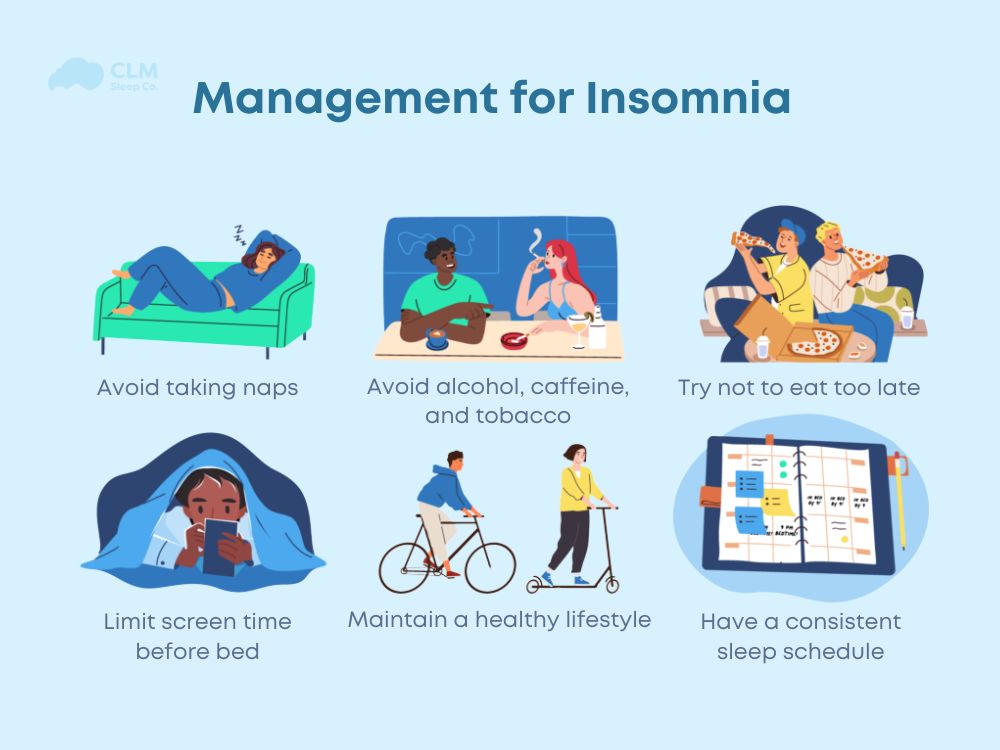
Go to bed and wake up at the same time every day, even on weekends. This helps regulate your body’s internal clock and can improve the quality of your sleep over time.
Create a Relaxing Bedtime Routine
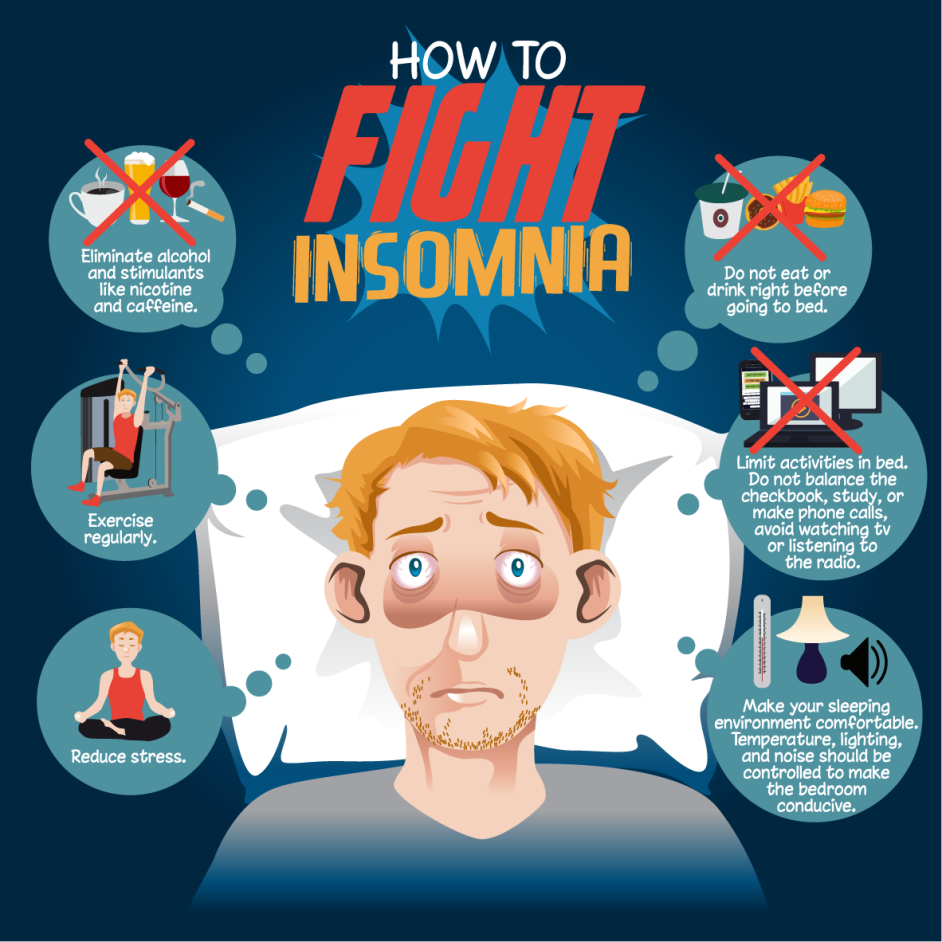
Engage in calming activities before bed, such as reading a book, taking a warm bath, or practicing relaxation techniques like deep breathing or meditation. Avoid stimulating activities like watching TV or using electronic devices close to bedtime.
Maintain a Comfortable Sleep Environment
Ensure your bedroom is conducive to sleep by keeping it dark, quiet, and cool. Invest in a comfortable mattress and pillows that support good sleep posture.
Avoid Stimulants and Heavy Meals Before Bed
Avoid consuming caffeine, nicotine, or heavy meals close to bedtime, as these can interfere with your ability to fall asleep. Opt for light snacks if you’re hungry before bed.
Limit Daytime Naps
If you nap during the day, keep it short (20-30 minutes) and avoid napping late in the afternoon or evening, as this can disrupt your nighttime sleep schedule.
Stay Active During the Day
Regular physical activity can help promote better sleep. Aim for at least 30 minutes of moderate exercise most days of the week, but avoid vigorous exercise close to bedtime.
Manage Stress and Anxiety
Practice stress-reducing techniques such as yoga, mindfulness meditation, or progressive muscle relaxation to calm your mind before bedtime. Consider talking to a therapist if stress or anxiety is affecting your ability to sleep.
Seek Professional Help if Needed
If you’ve tried various strategies to improve your sleep but continue to experience insomnia regularly, consider consulting a healthcare provider or sleep specialist for further evaluation and treatment options.
By incorporating these tips into your daily routine and making healthy lifestyle choices, you can take proactive steps toward managing insomnia and improving the quality of your sleep.
9 Effective Strategies to Combat Insomnia: Expert Answers to Your Most Common Questions
- What are the common causes of insomnia?
- How can I improve my sleep hygiene to help with insomnia?
- Are there any natural remedies or supplements that can aid in better sleep?
- What role does diet and exercise play in managing insomnia?
- Is it helpful to keep a sleep diary to track patterns and identify triggers for insomnia?
- What relaxation techniques are effective for promoting better sleep?
- Are there specific bedtime routines or rituals that can help with falling asleep faster?
- How does stress and anxiety impact insomnia, and what strategies can be used to manage them effectively?
- When should I consider seeking professional help for my insomnia?
What are the common causes of insomnia?
Insomnia can be caused by a variety of factors, both physical and psychological. Common causes of insomnia include stress, anxiety, depression, irregular sleep schedules, poor sleep habits, certain medical conditions like chronic pain or asthma, medications that disrupt sleep patterns, caffeine or alcohol consumption close to bedtime, and environmental factors such as noise or light disturbances. Identifying the underlying cause of insomnia is crucial in developing an effective treatment plan to improve sleep quality and overall well-being.
How can I improve my sleep hygiene to help with insomnia?
Improving sleep hygiene is essential in managing insomnia and promoting better sleep quality. Establishing a consistent sleep schedule, creating a relaxing bedtime routine, and maintaining a comfortable sleep environment are key aspects of good sleep hygiene. Avoiding stimulants like caffeine and heavy meals before bed, limiting daytime naps, staying active during the day, managing stress and anxiety, and seeking professional help when needed are also important factors in improving sleep hygiene to combat insomnia. By prioritizing these practices and making them a part of your daily routine, you can enhance your overall sleep habits and increase your chances of getting a restful night’s sleep.
Are there any natural remedies or supplements that can aid in better sleep?
Many individuals wonder if there are natural remedies or supplements that can assist in improving sleep quality. While there are various natural options available, such as melatonin, valerian root, chamomile tea, and magnesium supplements, it’s essential to approach them with caution and consult with a healthcare provider before incorporating them into your routine. Some people find these natural remedies helpful in promoting relaxation and better sleep, but individual responses can vary. It’s important to prioritize healthy sleep habits and lifestyle choices alongside any supplemental support to address insomnia effectively.
What role does diet and exercise play in managing insomnia?
Diet and exercise play crucial roles in managing insomnia by influencing both the quality of sleep and overall sleep patterns. A balanced diet rich in nutrients can promote better sleep by providing essential vitamins and minerals that support relaxation and regulate sleep-wake cycles. Avoiding heavy meals close to bedtime and limiting caffeine intake can also help prevent disruptions to sleep. Regular exercise has been shown to improve sleep quality and duration, as it can reduce stress, anxiety, and depression – common factors contributing to insomnia. Engaging in physical activity during the day can promote a sense of well-being and help regulate the body’s internal clock, making it easier to fall asleep and stay asleep throughout the night. By incorporating healthy eating habits and regular exercise into your daily routine, you can positively impact your sleep patterns and effectively manage insomnia.
Is it helpful to keep a sleep diary to track patterns and identify triggers for insomnia?
Keeping a sleep diary can be a valuable tool in understanding and managing insomnia. By tracking your sleep patterns, bedtime routines, and daily activities, you can identify underlying triggers that may be contributing to your sleep difficulties. A sleep diary can help you and your healthcare provider gain insights into factors such as stress levels, caffeine intake, exercise habits, and bedtime environment that may impact your ability to fall asleep and stay asleep. This information can guide personalized interventions and lifestyle adjustments to improve your sleep quality over time.
What relaxation techniques are effective for promoting better sleep?
When seeking effective relaxation techniques to promote better sleep and alleviate insomnia, several methods have shown promising results. Practices such as deep breathing exercises, progressive muscle relaxation, guided imagery, and mindfulness meditation have been found to calm the mind and body, reducing stress and anxiety levels that can interfere with falling asleep. Engaging in a bedtime routine that includes these relaxation techniques can help signal to the body that it is time to unwind and prepare for restful sleep. Experimenting with different relaxation methods and finding what works best for individual preferences can contribute to establishing a soothing pre-sleep ritual conducive to improved sleep quality.
Are there specific bedtime routines or rituals that can help with falling asleep faster?
Establishing specific bedtime routines or rituals can be instrumental in helping individuals fall asleep faster and improve their overall sleep quality. Engaging in calming activities such as reading a book, taking a warm bath, practicing relaxation techniques like deep breathing or meditation, or listening to soothing music can signal to the body that it’s time to wind down and prepare for sleep. Consistency is key when it comes to bedtime rituals, as following the same routine each night can help train the body to recognize when it’s time to rest. By incorporating these calming practices into your nightly routine, you may find that you are able to relax more easily and drift off to sleep more quickly.
How does stress and anxiety impact insomnia, and what strategies can be used to manage them effectively?
Stress and anxiety can significantly impact insomnia by triggering hyperarousal of the central nervous system, making it difficult to relax and fall asleep. Persistent worries, racing thoughts, and physical tension associated with stress and anxiety can disrupt the natural sleep-wake cycle, leading to difficulty initiating or maintaining sleep. To manage stress and anxiety effectively for better sleep, individuals can practice relaxation techniques such as deep breathing, meditation, or progressive muscle relaxation. Engaging in regular exercise, maintaining a healthy lifestyle, setting aside time for self-care activities, and seeking support from a therapist or counselor are also valuable strategies to address the underlying causes of stress and anxiety that contribute to insomnia. By incorporating these coping mechanisms into daily routines, individuals can work towards reducing stress levels and promoting a sense of calm conducive to restful sleep.
When should I consider seeking professional help for my insomnia?
If you find that your insomnia persists despite trying various self-help strategies and lifestyle changes, it may be time to consider seeking professional help. Persistent difficulty falling asleep or staying asleep, along with daytime fatigue, irritability, and impaired concentration, could indicate a more serious underlying sleep disorder that requires medical attention. Additionally, if your insomnia is significantly impacting your daily life, work performance, or overall well-being, consulting a healthcare provider or sleep specialist can help identify the root cause of your sleep issues and provide tailored treatment options to improve your sleep quality. Remember, seeking professional help for insomnia is a proactive step towards better understanding and managing your sleep challenges.