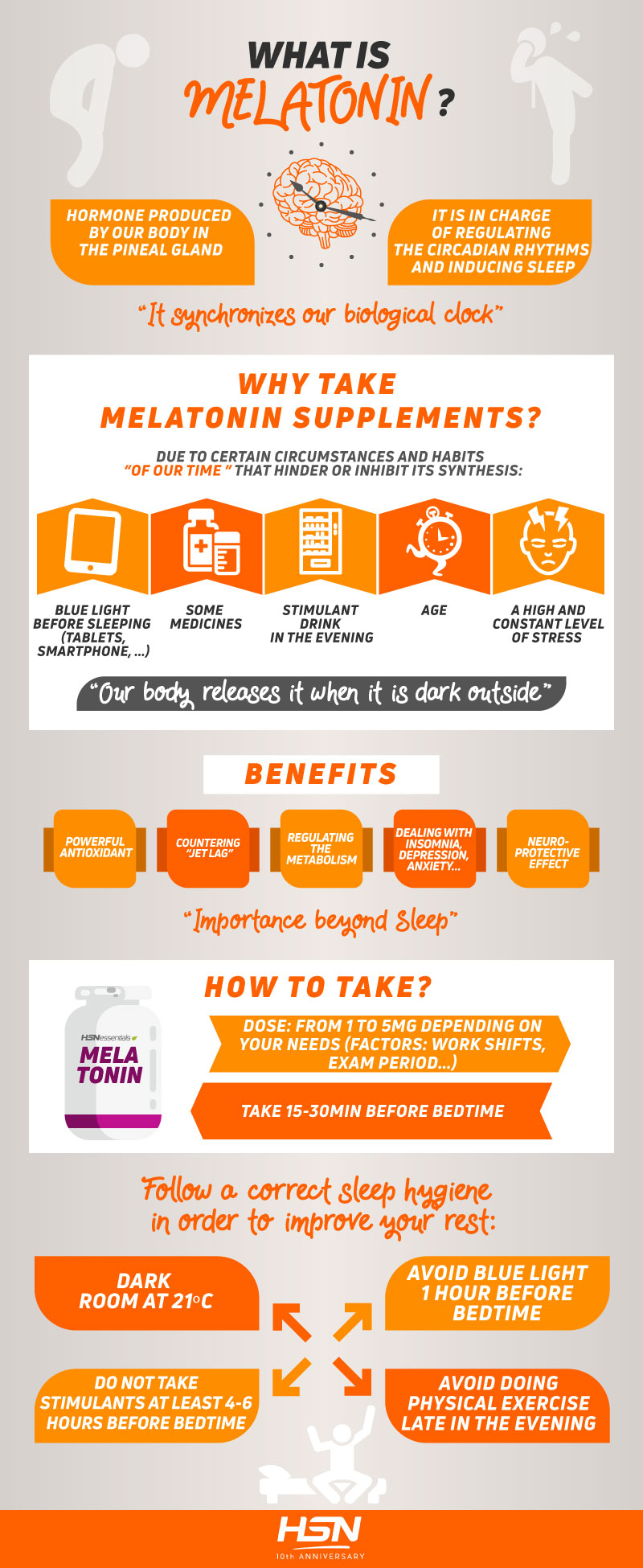
Many people turn to melatonin as a natural remedy for sleep issues, but does melatonin truly help improve sleep quality and address insomnia? Melatonin is a hormone produced by the pineal gland in the brain that helps regulate the sleep-wake cycle. It is often referred to as the “sleep hormone” because of its role in promoting sleepiness.
Research suggests that melatonin supplements may be beneficial for certain individuals, such as those with jet lag or shift work disorder, as it can help adjust the body’s internal clock and improve sleep patterns. Additionally, melatonin may be helpful for older adults who naturally produce less melatonin and may experience difficulty falling asleep.
However, it’s important to note that melatonin is not a cure-all for sleep problems. Its effectiveness can vary from person to person, and it may not work for everyone. Some factors to consider when using melatonin include dosage, timing of consumption, and individual differences in response.
Furthermore, while melatonin is generally considered safe for short-term use, long-term effects and potential interactions with medications should be discussed with a healthcare provider. It’s also important to address underlying causes of sleep disturbances, such as stress, poor sleep hygiene, or medical conditions.
In conclusion, while melatonin may offer benefits for certain individuals struggling with sleep issues, it is not a one-size-fits-all solution. Consulting with a healthcare professional and exploring holistic approaches to improving sleep quality are essential steps in addressing insomnia and promoting overall well-being.
6 Essential Tips for Using Melatonin Effectively for Better Sleep
- Take melatonin about 30 minutes before bedtime for better results.
- Start with a low dose of melatonin and adjust as needed.
- Avoid bright lights and electronic devices before taking melatonin to help it work effectively.
- Consult a healthcare provider before giving melatonin to children.
- Use melatonin as a short-term solution for sleep issues, not as a long-term fix.
- Combine melatonin with good sleep hygiene practices for best results.
Take melatonin about 30 minutes before bedtime for better results.
For better results, it is recommended to take melatonin approximately 30 minutes before bedtime. This timing allows the hormone to be absorbed and start its sleep-promoting effects as you prepare to rest. By taking melatonin at the right time, you can optimize its effectiveness in regulating your sleep-wake cycle and potentially improve your overall sleep quality. Remember to follow the recommended dosage and consult with a healthcare provider if you have any concerns or questions about incorporating melatonin into your bedtime routine.
Start with a low dose of melatonin and adjust as needed.
When considering using melatonin to improve sleep quality, it is advisable to start with a low dose and adjust as needed. Beginning with a lower dosage allows individuals to gauge their response to the supplement and minimize the risk of potential side effects. It’s important to remember that the optimal dose of melatonin can vary from person to person, so gradual adjustments based on individual tolerance and effectiveness are key. Consulting with a healthcare provider can also provide guidance on finding the right dosage that best suits one’s needs and promotes better sleep without adverse effects.
Avoid bright lights and electronic devices before taking melatonin to help it work effectively.
To help melatonin work effectively, it is recommended to avoid bright lights and electronic devices before taking it. Bright lights, especially from screens like smartphones and tablets, can interfere with the body’s natural production of melatonin and disrupt the sleep-wake cycle. By minimizing exposure to these sources of artificial light before taking melatonin, individuals can enhance its effectiveness in promoting relaxation and preparing the body for restful sleep. Creating a calming environment conducive to sleep by dimming lights and reducing screen time can optimize the benefits of melatonin supplementation for improving sleep quality.
Consult a healthcare provider before giving melatonin to children.
It is crucial to consult a healthcare provider before giving melatonin to children. While melatonin is often used as a natural sleep aid for adults, its safety and effectiveness in children can vary. Children may have different dosage requirements and potential side effects compared to adults. A healthcare provider can provide guidance on the appropriate usage of melatonin for children, taking into account their age, weight, and any underlying health conditions. Additionally, consulting a healthcare provider ensures that any potential interactions with other medications or supplements are considered, promoting the safe and effective use of melatonin in children.
Use melatonin as a short-term solution for sleep issues, not as a long-term fix.
When considering the use of melatonin for sleep issues, it is important to view it as a short-term solution rather than a long-term fix. While melatonin can be effective in helping regulate sleep patterns and promote better rest, relying on it as a permanent solution may not address underlying causes of sleep disturbances. It is advisable to use melatonin sparingly and in consultation with a healthcare provider to ensure appropriate dosage and timing. Long-term reliance on melatonin may lead to tolerance or dependency, making it less effective over time. Instead, incorporating healthy sleep habits and addressing root causes of insomnia are crucial for sustainable improvements in sleep quality.
Combine melatonin with good sleep hygiene practices for best results.
To maximize the effectiveness of melatonin in improving sleep quality, it is recommended to combine its use with good sleep hygiene practices. Establishing a consistent bedtime routine, creating a comfortable sleep environment, limiting exposure to screens before bed, and practicing relaxation techniques can all contribute to better sleep outcomes when supplemented with melatonin. By incorporating melatonin into a holistic approach that includes healthy sleep habits, individuals may experience enhanced benefits and improved overall sleep quality.