The Impact of Narcolepsy and Insomnia on Sleep Health
Narcolepsy and insomnia are two common sleep disorders that can significantly impact an individual’s quality of life and overall well-being. While they both affect sleep patterns, they manifest in different ways and require distinct approaches to management.
Narcolepsy
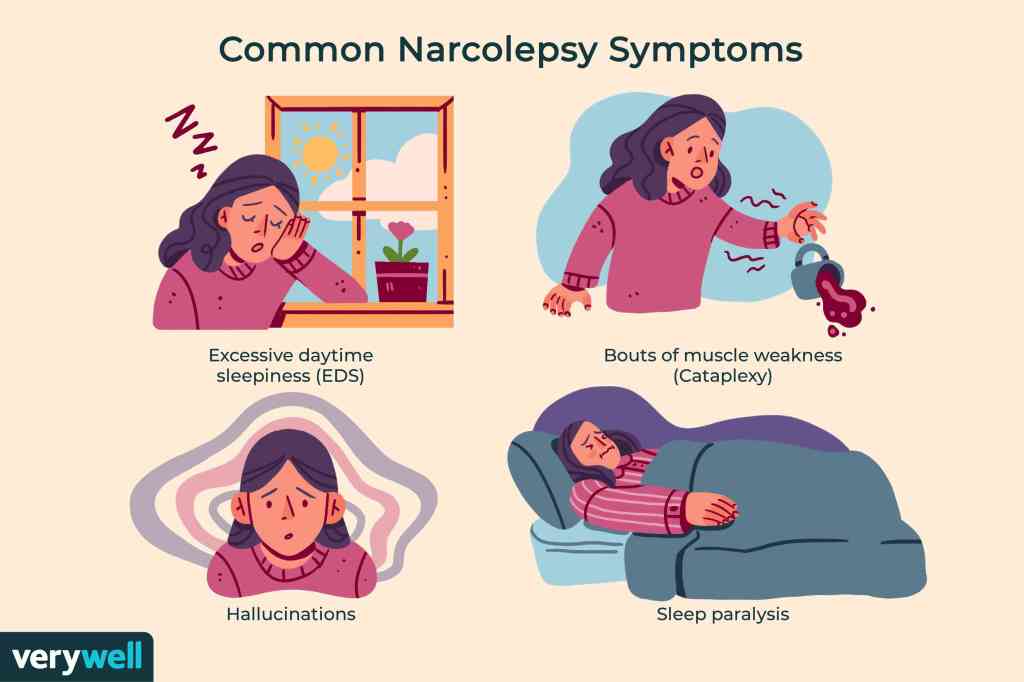
Narcolepsy is a neurological disorder characterized by excessive daytime sleepiness, sudden loss of muscle tone (cataplexy), hallucinations, and disrupted nighttime sleep. People with narcolepsy often experience sudden episodes of falling asleep during the day, regardless of the circumstances.
Individuals with narcolepsy may also struggle with maintaining a consistent nighttime sleep schedule due to frequent awakenings or disruptions in the sleep cycle. This can lead to feelings of fatigue, irritability, and difficulty concentrating during the day.
Insomnia
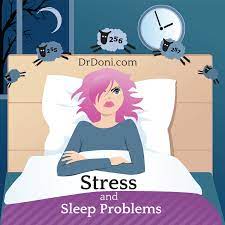
Insomnia is a common sleep disorder characterized by difficulty falling asleep, staying asleep, or experiencing non-restorative sleep. It can be acute (short-term) or chronic (long-term) and may be caused by various factors such as stress, anxiety, medical conditions, or poor sleep habits.
People with insomnia often report feeling tired during the day, having trouble concentrating, and experiencing mood disturbances due to lack of quality sleep. Chronic insomnia can have serious implications for physical health and mental well-being if left untreated.
Management Strategies
Effective management of narcolepsy and insomnia typically involves a combination of lifestyle modifications, behavioral therapies, medication, and in some cases, cognitive-behavioral therapy for insomnia (CBT-I).
- Narcolepsy: Treatment for narcolepsy may include stimulant medications to promote wakefulness, antidepressants to manage cataplexy and hallucinations, scheduled naps to reduce daytime sleepiness, and maintaining a consistent sleep schedule.
- Insomnia: Management strategies for insomnia may involve improving sleep hygiene practices (e.g., creating a relaxing bedtime routine), addressing underlying stress or anxiety through therapy or relaxation techniques, avoiding stimulants close to bedtime, and considering cognitive-behavioral interventions.
It is important for individuals experiencing symptoms of narcolepsy or insomnia to seek evaluation by a healthcare professional specializing in sleep medicine. Proper diagnosis and tailored treatment plans can help improve sleep quality, enhance daytime functioning, and promote overall health and well-being.
Understanding Narcolepsy and Insomnia: Answers to 8 Common Questions
- What is narcolepsy and how does it affect sleep patterns?
- What are the common symptoms of narcolepsy?
- How is narcolepsy diagnosed and treated?
- Can narcolepsy be managed with lifestyle changes?
- What is insomnia and what are its primary characteristics?
- What factors contribute to the development of insomnia?
- How can individuals improve their sleep hygiene to combat insomnia?
- Are there effective treatments available for chronic insomnia?
What is narcolepsy and how does it affect sleep patterns?
Narcolepsy is a neurological disorder characterized by excessive daytime sleepiness and disruptions in sleep patterns. Individuals with narcolepsy may experience sudden and uncontrollable episodes of falling asleep during the day, regardless of the situation. This can significantly impact their ability to stay awake and alert, leading to difficulties in maintaining a regular sleep-wake cycle. In addition to excessive daytime sleepiness, narcolepsy can also manifest in symptoms such as cataplexy (sudden loss of muscle tone), hallucinations, and disrupted nighttime sleep. These disruptions in sleep patterns can result in fragmented, poor-quality sleep, further exacerbating feelings of fatigue and impairing daily functioning for individuals with narcolepsy.
What are the common symptoms of narcolepsy?
Common symptoms of narcolepsy include excessive daytime sleepiness, sudden loss of muscle tone (cataplexy), hallucinations, and disrupted nighttime sleep. Individuals with narcolepsy often struggle with staying awake during the day, regardless of how much rest they have had. Cataplexy episodes, characterized by sudden muscle weakness or paralysis triggered by emotions like laughter or excitement, can also occur in those with narcolepsy. Additionally, vivid dream-like experiences while falling asleep or waking up (hypnagogic and hypnopompic hallucinations) are common symptoms. Nighttime sleep disturbances such as frequent awakenings or fragmented sleep patterns further contribute to the overall impact on daily functioning for individuals with narcolepsy.
How is narcolepsy diagnosed and treated?
Narcolepsy is typically diagnosed through a combination of medical history evaluation, physical examination, and specialized sleep studies such as a polysomnogram and multiple sleep latency test. These tests help healthcare providers assess the individual’s sleep patterns, brain activity, and potential presence of narcoleptic symptoms like rapid eye movement (REM) sleep abnormalities. Once diagnosed, treatment for narcolepsy often involves a multidisciplinary approach that may include medications to promote wakefulness, manage cataplexy and hallucinations, scheduled naps to combat daytime sleepiness, and lifestyle modifications to support healthy sleep habits. It is crucial for individuals suspected of having narcolepsy to consult with a healthcare professional specializing in sleep disorders for accurate diagnosis and personalized treatment recommendations.
Can narcolepsy be managed with lifestyle changes?
Managing narcolepsy with lifestyle changes can be beneficial in improving symptoms and overall quality of life for individuals with the condition. While lifestyle modifications alone may not completely eliminate narcolepsy symptoms, they can complement medical treatments and enhance their effectiveness. Adopting a consistent sleep schedule, practicing good sleep hygiene, engaging in regular physical activity, maintaining a healthy diet, and managing stress can all contribute to better management of narcolepsy. Additionally, avoiding alcohol and caffeine close to bedtime, creating a relaxing bedtime routine, and incorporating short naps into the daily schedule can help regulate sleep patterns and reduce excessive daytime sleepiness associated with narcolepsy. Consulting with healthcare professionals specializing in sleep medicine can provide personalized guidance on implementing lifestyle changes tailored to individual needs and preferences.
What is insomnia and what are its primary characteristics?
Insomnia is a common sleep disorder characterized by difficulty falling asleep, staying asleep, or experiencing restorative sleep. Individuals with insomnia may struggle to initiate sleep at bedtime, wake up frequently during the night, or find themselves waking up too early in the morning and unable to go back to sleep. The primary characteristics of insomnia include persistent sleep disturbances that lead to daytime fatigue, irritability, difficulty concentrating, and impaired overall functioning. Chronic insomnia can have a significant impact on an individual’s quality of life, affecting both physical health and mental well-being. It is essential for those experiencing symptoms of insomnia to seek evaluation and appropriate management strategies to improve their sleep patterns and enhance their overall health.
What factors contribute to the development of insomnia?
Several factors can contribute to the development of insomnia. Stress and anxiety are common triggers, as racing thoughts and worries can make it difficult to relax and fall asleep. Poor sleep habits, such as irregular bedtime routines or excessive screen time before bed, can also disrupt the natural sleep-wake cycle. Medical conditions like chronic pain, depression, or sleep apnea may play a role in insomnia onset. Additionally, lifestyle factors such as excessive caffeine consumption, lack of physical activity, and environmental factors like noise or light pollution can impact sleep quality. Identifying and addressing these contributing factors through lifestyle modifications, stress management techniques, and proper sleep hygiene practices are essential steps in managing insomnia effectively.
How can individuals improve their sleep hygiene to combat insomnia?
To combat insomnia and improve sleep hygiene, individuals can adopt various strategies to create a conducive sleep environment and promote better sleep quality. Establishing a consistent bedtime routine, such as winding down with calming activities like reading or listening to soothing music, can signal the body that it’s time to sleep. Creating a comfortable and dark sleeping environment, free from distractions like electronic devices, can help optimize restful sleep. Additionally, avoiding stimulants like caffeine and alcohol close to bedtime, engaging in regular physical activity during the day, and practicing relaxation techniques such as deep breathing or meditation can all contribute to better sleep patterns and overall well-being. By incorporating these habits into their daily routine, individuals can take proactive steps to combat insomnia and improve their sleep hygiene for more restorative rest.
Are there effective treatments available for chronic insomnia?
When it comes to chronic insomnia, there are several effective treatments available that can help individuals improve their sleep quality and overall well-being. Treatment options for chronic insomnia may include lifestyle modifications, such as establishing a consistent sleep schedule and creating a relaxing bedtime routine. Additionally, cognitive-behavioral therapy for insomnia (CBT-I) has been shown to be highly effective in addressing the underlying causes of insomnia and improving sleep patterns. In some cases, healthcare providers may also recommend medications to help manage insomnia symptoms, although these are typically used as a short-term solution. It is important for individuals experiencing chronic insomnia to consult with a healthcare professional to determine the most suitable treatment approach based on their specific needs and circumstances.