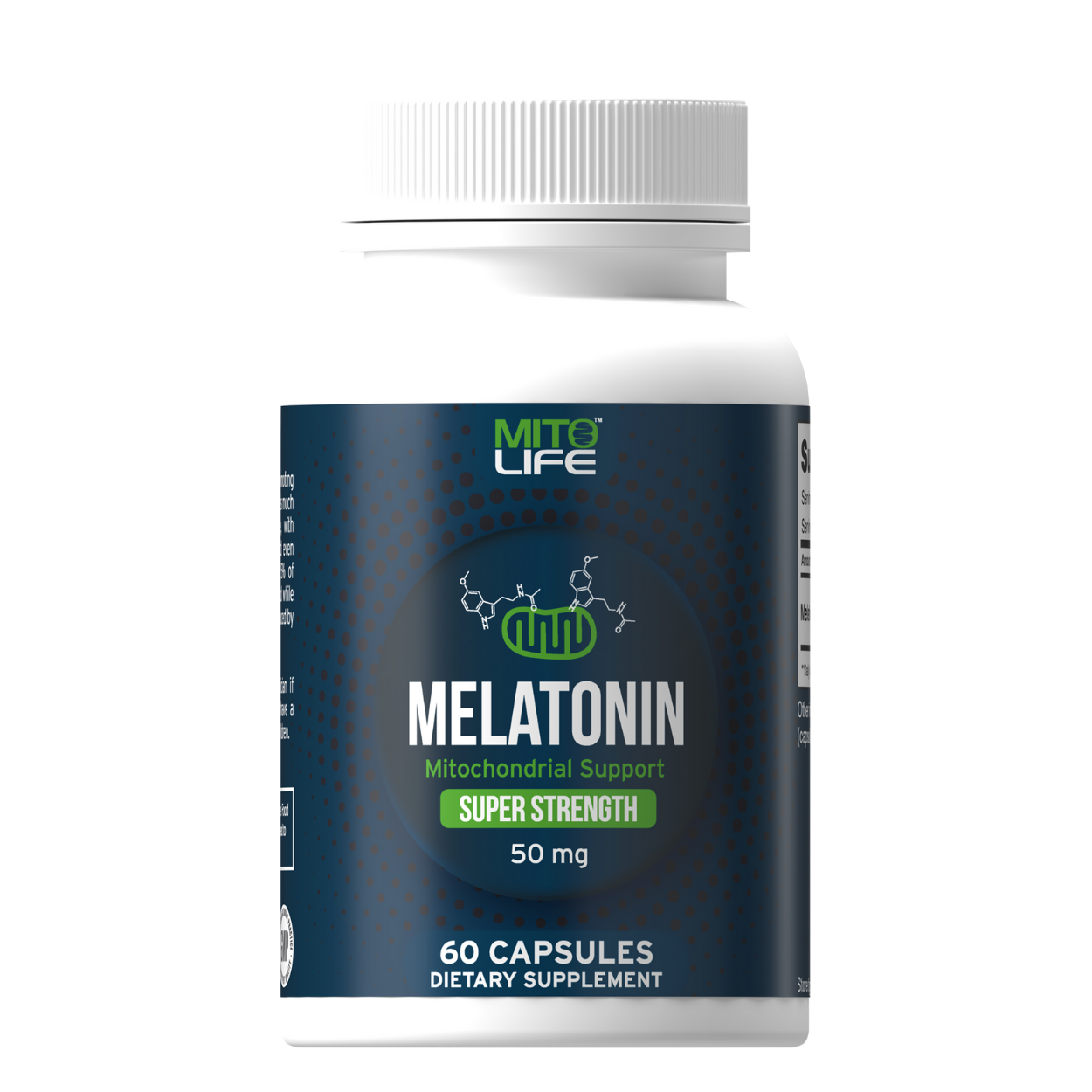
The Power of Melatonin: Understanding Its Strength and Benefits
Melatonin is a hormone produced by the pineal gland in the brain that regulates sleep-wake cycles. It plays a crucial role in signaling to the body when it’s time to sleep and wake up. While melatonin is naturally produced in the body, it is also available as a supplement to help improve sleep quality and manage sleep disorders.
One key aspect of melatonin is its strength in promoting relaxation and inducing sleep. By taking melatonin supplements, individuals can experience faster onset of sleep, longer duration of sleep, and improved overall sleep quality. This can be particularly beneficial for those with insomnia, jet lag, or other conditions that disrupt normal sleep patterns.
Furthermore, melatonin’s strength lies in its ability to help regulate circadian rhythms. Our bodies operate on a 24-hour internal clock that is influenced by external factors such as light and darkness. Melatonin helps synchronize this internal clock with the natural day-night cycle, promoting healthy sleep patterns and overall well-being.
In addition to its role in promoting better sleep, melatonin has been studied for its potential health benefits beyond just regulating sleep-wake cycles. Some research suggests that melatonin may have antioxidant properties, protect against certain diseases, and even support immune function.
It’s important to note that while melatonin supplements can be effective for many individuals, it’s always best to consult with a healthcare provider before starting any new supplement regimen. They can provide guidance on proper dosage, timing of intake, and potential interactions with other medications or conditions.
In conclusion, the strength of melatonin lies in its ability to promote relaxation, improve sleep quality, regulate circadian rhythms, and potentially offer additional health benefits. By understanding how melatonin works and incorporating it into a healthy lifestyle routine under professional guidance, individuals can harness its power for better overall well-being.
The Power of Melatonin: 7 Benefits for Better Sleep and Health
- Promotes faster onset of sleep
- Improves overall sleep quality
- Helps manage insomnia and sleep disorders
- Regulates circadian rhythms for healthier sleep patterns
- May have antioxidant properties
- Supports immune function
- Potential health benefits beyond just regulating sleep-wake cycles
6 Potential Drawbacks of Melatonin: Understanding Its Impact and Risks
- May cause daytime drowsiness or grogginess
- Can lead to vivid dreams or nightmares in some individuals
- Potential side effects such as headaches, dizziness, or nausea
- May interact with certain medications or health conditions
- Long-term effects of melatonin supplementation are not fully understood
- Risk of developing tolerance, requiring higher doses for the same effect
Promotes faster onset of sleep
Melatonin’s strength in promoting a faster onset of sleep is a valuable benefit for those struggling with insomnia or difficulty falling asleep. By taking melatonin supplements, individuals can experience a quicker transition into sleep, allowing them to achieve restful and rejuvenating rest more efficiently. This pro of melatonin’s potency not only helps improve the quantity of sleep but also enhances the quality of sleep by reducing the time spent tossing and turning before drifting off into a peaceful slumber.
Improves overall sleep quality
Melatonin’s strength in improving overall sleep quality is a significant benefit for individuals seeking better rest and rejuvenation. By taking melatonin supplements, people can experience deeper, more restful sleep, leading to increased alertness, better mood, and improved cognitive function during waking hours. This enhancement in sleep quality can have a positive impact on overall health and well-being, as quality sleep is essential for physical and mental recovery. With melatonin’s ability to promote a more restorative sleep experience, individuals may find themselves waking up feeling refreshed and ready to tackle the day ahead.
Helps manage insomnia and sleep disorders
Melatonin’s strength in helping manage insomnia and sleep disorders is invaluable for individuals struggling to get a good night’s rest. By supplementing with melatonin, those with sleep disturbances can experience improved sleep quality, reduced time to fall asleep, and enhanced overall sleep duration. Melatonin’s ability to regulate the body’s internal clock and promote relaxation makes it a beneficial option for those facing insomnia or other sleep-related issues. Incorporating melatonin into a comprehensive approach to managing sleep disorders can lead to better rest, increased daytime alertness, and an overall improvement in quality of life.
Regulates circadian rhythms for healthier sleep patterns
Melatonin’s strength in regulating circadian rhythms plays a vital role in promoting healthier sleep patterns. By synchronizing our internal clock with the natural day-night cycle, melatonin helps ensure that we experience restful and rejuvenating sleep. This regulation is essential for maintaining a consistent sleep schedule, improving the quality of our rest, and supporting overall well-being. With melatonin’s ability to align our body’s biological rhythms with external cues, individuals can establish more regular and sustainable sleep patterns that contribute to better health and vitality.
May have antioxidant properties
Melatonin’s potential antioxidant properties are a significant pro that highlights its multifaceted benefits beyond just regulating sleep. Research suggests that melatonin may act as a powerful antioxidant, helping to combat oxidative stress and protect cells from damage caused by free radicals. By scavenging these harmful molecules, melatonin may contribute to overall cellular health and potentially reduce the risk of certain chronic diseases. This aspect of melatonin’s strength underscores its role not only in promoting better sleep but also in supporting overall well-being through its antioxidant capabilities.
Supports immune function
Melatonin’s strength in supporting immune function is a significant benefit that should not be overlooked. Research suggests that melatonin plays a crucial role in regulating the immune system, helping to enhance its response to pathogens and infections. By promoting a healthy immune function, melatonin can aid the body in fighting off illnesses and maintaining overall well-being. This pro of melatonin underscores its importance not just for sleep regulation but also for bolstering the body’s natural defense mechanisms against various health threats.
Potential health benefits beyond just regulating sleep-wake cycles
Melatonin’s strength extends beyond its role in regulating sleep-wake cycles to offer potential health benefits that can positively impact overall well-being. Research suggests that melatonin may possess antioxidant properties, which can help combat oxidative stress and reduce cell damage in the body. Additionally, melatonin has been studied for its potential protective effects against certain diseases and its ability to support immune function. By exploring the diverse health benefits of melatonin beyond sleep regulation, individuals may discover a natural supplement that not only promotes restful sleep but also contributes to their overall health and vitality.
May cause daytime drowsiness or grogginess
One potential drawback of melatonin’s strength is that it may cause daytime drowsiness or grogginess in some individuals. While melatonin is effective in promoting sleep and regulating circadian rhythms, its sedative effects can linger into the next day for some people, leading to feelings of fatigue and reduced alertness. This side effect can be particularly problematic for those who need to be fully awake and focused during the day, such as individuals with demanding work schedules or those operating heavy machinery. It is important to be mindful of this potential con when considering the use of melatonin supplements and to adjust dosage or timing under the guidance of a healthcare provider if daytime drowsiness becomes a concern.
Can lead to vivid dreams or nightmares in some individuals
Some individuals may experience a con of melatonin strength, which is the potential to lead to vivid dreams or nightmares. While melatonin is generally considered safe for most people, some individuals may find that taking melatonin supplements before bedtime can result in intense or unsettling dreams. This side effect can disrupt sleep quality and leave individuals feeling groggy or anxious upon waking. It’s important for those considering melatonin supplementation to be aware of this possibility and monitor their own reactions to determine if the benefits outweigh the risk of experiencing vivid dreams or nightmares. Consulting with a healthcare provider can help address any concerns and provide guidance on managing this potential side effect.
Potential side effects such as headaches, dizziness, or nausea
While melatonin is known for its ability to promote better sleep and regulate circadian rhythms, one potential con of its strength is the risk of experiencing side effects such as headaches, dizziness, or nausea. Some individuals may be more sensitive to melatonin supplements and may experience these adverse effects when taking them. It’s important to be aware of these potential side effects and to consult with a healthcare provider before starting melatonin supplementation to determine the appropriate dosage and assess any potential risks based on individual health conditions or medications being taken.
May interact with certain medications or health conditions
It is important to be aware that one potential con of melatonin strength is its ability to interact with certain medications or health conditions. Melatonin supplements have the potential to interact with various medications, such as blood thinners, immunosuppressants, and diabetes medications, affecting their effectiveness or causing unintended side effects. Additionally, individuals with certain health conditions, such as autoimmune disorders, epilepsy, or depression, should exercise caution when considering melatonin supplementation due to possible interactions or exacerbation of symptoms. Consulting a healthcare provider before incorporating melatonin into your routine is crucial to ensure safe and effective use.
Long-term effects of melatonin supplementation are not fully understood
The long-term effects of melatonin supplementation remain a con that raises concerns due to the lack of comprehensive understanding. While melatonin is generally considered safe for short-term use, its prolonged and consistent intake may have potential implications that are yet to be fully elucidated. Questions regarding the impact on natural melatonin production, dependency, tolerance, and interactions with other medications or health conditions linger, highlighting the importance of further research and caution when considering extended use of melatonin supplements.
Risk of developing tolerance, requiring higher doses for the same effect
One potential drawback of relying on melatonin for improved sleep is the risk of developing tolerance over time. This means that with continued use, the body may become accustomed to the effects of melatonin, requiring higher doses to achieve the same level of effectiveness. As a result, individuals may find themselves needing to increase their melatonin intake to maintain its sleep-inducing benefits, which can lead to concerns about long-term dependency and potential side effects associated with higher doses of the hormone. It is important for individuals to be mindful of this con and work closely with healthcare providers to monitor their melatonin usage and make informed decisions about dosage adjustments when necessary.