Insomnia and Your Period: Why Sleep Can Change Throughout Your Cycle
Having trouble falling asleep or staying asleep around your period is common. Hormone levels shift throughout the menstrual cycle, and symptoms such as cramps, mood changes, headaches, or hot flashes can make restful sleep harder. Occasional sleep disruption is not necessarily a sign of a health problem, but persistent insomnia can affect your energy, mood, and daily life.
How the menstrual cycle may affect sleep
Hormones involved in the menstrual cycle can influence body temperature, mood, and sleep. After ovulation, progesterone rises and can make body temperature slightly higher. Some people notice lighter or more interrupted sleep during this phase. In the days before a period, estrogen and progesterone levels fall, which may contribute to symptoms that interfere with sleep.
Sleep changes can happen at different points in the cycle, and the pattern varies from person to person. Some people sleep poorly before their period, while others have more difficulty during menstruation or around ovulation.
Period-related symptoms that can keep you awake
- Cramps and pelvic pain: Pain may make it harder to get comfortable or stay asleep.
- Bloating or breast tenderness: Physical discomfort can disrupt your usual sleep routine.
- Mood changes: Irritability, anxiety, or low mood before a period may make it harder to wind down.
- Headaches or migraines: Menstrual headaches can interrupt sleep or make it difficult to fall asleep.
- Changes in body temperature: Feeling warmer than usual may make sleep less comfortable.
- Heavy bleeding: Changing menstrual products during the night can interrupt sleep. Heavy periods can also contribute to iron deficiency, which may cause fatigue.
More severe premenstrual symptoms, including symptoms associated with premenstrual dysphoric disorder (PMDD), can significantly affect sleep and everyday functioning. If mood symptoms feel intense or disruptive, a health care professional can help assess them.
Ways to support better sleep around your period
- Track your symptoms and sleep. A simple calendar or app can help you notice whether sleep problems happen at a particular point in your cycle. You can share the pattern with a health care professional.
- Keep a consistent sleep schedule. Try to go to bed and wake up at roughly the same time each day, including on weekends.
- Make your bedroom comfortable. A cool, dark, quiet room and breathable sleepwear may help if you feel warmer than usual.
- Use a relaxing wind-down routine. Gentle stretching, a warm shower, or quiet reading may help you transition to sleep.
- Address pain safely. Heat may ease cramps for some people. Ask a health care professional or pharmacist which pain-relief options are appropriate for you, especially if you have other health conditions or take medication.
- Be mindful of caffeine and alcohol. Caffeine later in the day can interfere with sleep, and alcohol may make sleep more fragmented.
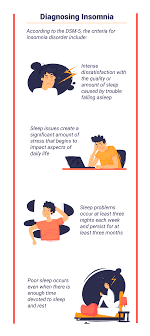
- Consider evidence-based insomnia care. Cognitive behavioral therapy for insomnia (CBT-I) is a structured treatment that can help with persistent insomnia. A clinician can help determine whether it may be right for you.
Hormonal birth control or other treatments may help some people with cycle-related symptoms, but they are not suitable for everyone. Discuss potential benefits and risks with a health care professional rather than starting or changing treatment on your own.
When to talk with a health care professional
Consider seeking medical advice if sleep problems occur regularly, last for several weeks, or affect your ability to function during the day. It is also worth discussing periods that are unusually heavy or painful, symptoms of possible anemia such as persistent fatigue or weakness, or severe mood changes before menstruation.
Seek urgent help if you have thoughts of harming yourself or feel unable to stay safe. Severe emotional symptoms deserve prompt support.
The bottom line
Changes in sleep around your period can have several causes, including hormonal shifts and menstrual symptoms. Tracking the timing of your sleep difficulties may reveal a pattern and make it easier to find useful support. If insomnia is persistent or your period symptoms are interfering with daily life, a health care professional can help identify the cause and discuss treatment options.
Understanding the Connection Between Insomnia and Your Menstrual Cycle: 7 Key Questions Answered
- Why is my period giving me insomnia?
- How can I stop period insomnia?
- What does hormonal insomnia feel like?
- What is the 1/4 hour rule for insomnia?
- What part of your cycle do you have insomnia in?
- Why do I have insomnia during my period?
- Can insomnia affect your period?
Why is my period giving me insomnia?
Your period may be disrupting your sleep because hormone levels shift throughout your menstrual cycle, which can affect body temperature, mood, and sleep. Cramps, bloating, headaches, or anxiety before or during your period can also make it harder to fall asleep or stay asleep. The timing and severity vary from person to person. If insomnia happens regularly, significantly affects your daily life, or comes with severe pain or mood changes, talk with a health care professional.
How can I stop period insomnia?
To reduce insomnia around your period, keep a consistent sleep and wake schedule, make your bedroom cool and comfortable, and try a calming wind-down routine before bed. Limiting caffeine later in the day and addressing cramps or other symptoms with safe, appropriate measures may also help. Track your sleep and menstrual symptoms to spot patterns. If sleep problems happen regularly, affect your daily life, or come with severe pain or mood changes, talk with a health care professional about possible causes and treatment options.
What does hormonal insomnia feel like?
Hormonal insomnia can feel like trouble falling asleep, waking often during the night, or waking earlier than usual—sometimes at predictable points in the menstrual cycle, such as before or during a period. You may also feel warmer than usual, restless, anxious, or more sensitive to stress, while cramps, headaches, or mood changes can make sleep even harder. Experiences vary, and these symptoms can have causes beyond hormones, so consider talking with a health care professional if they persist or affect your daily life.
What is the 1/4 hour rule for insomnia?
The “15-minute rule” for insomnia is a sleep strategy: if you’re awake and still unable to fall asleep after roughly 15 to 20 minutes, get out of bed and do a quiet, relaxing activity in dim light until you feel sleepy, then return to bed. The time is only an estimate, so avoid watching the clock; the goal is to keep your bed associated with sleep rather than frustration. You can use the same approach if you wake during the night. It’s a common part of cognitive behavioral therapy for insomnia (CBT-I), and it may help whether sleep problems occur during your period or at other times.
What part of your cycle do you have insomnia in?
Insomnia can occur at different points in the menstrual cycle, but many people notice sleep problems in the days before their period or during menstruation. Hormone changes, shifts in body temperature, cramps, headaches, and mood symptoms may all play a role. The timing varies from person to person, so tracking your sleep and cycle for a few months can help you spot a pattern. If sleep problems are persistent or affect your daily life, talk with a health care professional.
Why do I have insomnia during my period?
Insomnia during your period can be related to hormonal changes that affect body temperature, mood, and sleep, as well as symptoms such as cramps, headaches, bloating, or breast tenderness. Some people sleep poorly in the days before bleeding starts, while others notice trouble during their period. The pattern can vary from cycle to cycle, so tracking your sleep and symptoms may help identify triggers. If sleep problems happen regularly, are severe, or affect your daily life, talk with a health care professional.
Can insomnia affect your period?
Insomnia usually doesn’t directly change your period, but ongoing sleep loss can affect stress hormones and the body’s internal clock, which may influence menstrual hormones and ovulation in some people. This could contribute to irregular or missed periods, though other factors—such as stress, illness, weight changes, medications, or hormonal conditions—may also be involved. If your cycle changes persist, or you regularly have trouble sleeping, talk with a health care professional.