Secondary Insomnia: Causes, Symptoms, and Treatment
Secondary insomnia is a term traditionally used for difficulty sleeping that occurs alongside another health condition, medication, or substance use. It may involve trouble falling asleep, waking frequently during the night, or waking too early and being unable to return to sleep. Poor sleep can then make the underlying problem harder to manage, creating a cycle that affects daily life.
Health professionals increasingly assess insomnia as a condition in its own right, even when another issue may contribute to it. Identifying and addressing possible causes can still be an important part of improving sleep.
Common causes
Many factors can contribute to insomnia. These may include:
- Medical conditions: Chronic pain, breathing problems, acid reflux, heart conditions, hormonal changes, and other illnesses may interrupt sleep.
- Mental health concerns: Anxiety, depression, post-traumatic stress, and prolonged stress can affect the ability to fall or stay asleep.
- Medications: Some prescription and over-the-counter medicines can interfere with sleep. The timing of a dose may also matter.
- Substances: Caffeine, nicotine, alcohol, and some recreational drugs can disrupt sleep. Alcohol may make a person feel drowsy at first but can lead to lighter, more interrupted sleep later in the night.
- Other sleep disorders: Conditions such as sleep apnea or restless legs syndrome may cause repeated awakenings or make sleep feel unrefreshing.
- Changes in routine or environment: Shift work, travel, caregiving responsibilities, noise, and irregular sleep schedules can all play a role.
Signs and effects
Insomnia may cause difficulty falling asleep, repeated awakenings, waking earlier than intended, or feeling unrefreshed after sleep. During the day, a person may experience fatigue, irritability, difficulty concentrating, low mood, or reduced performance at work or school.
Occasional poor sleep is common. Consider seeking advice from a healthcare professional if sleep problems happen regularly, persist for several weeks, affect daily functioning, or occur alongside other concerning symptoms.
How secondary insomnia is assessed
A healthcare professional may ask about sleep habits, daily routines, medications, caffeine and alcohol use, and any physical or emotional symptoms. Keeping a sleep diary for a week or two can help show patterns such as bedtime, wake time, awakenings, naps, and daytime sleepiness.
Depending on the symptoms, the clinician may review current medications or assess for an underlying health or sleep condition. A sleep study is not needed for everyone, but may be recommended when a disorder such as sleep apnea is suspected.
Treatment and ways to improve sleep
Treatment depends on the factors affecting sleep. A clinician may recommend treating a medical condition, adjusting medication timing or dosage, or addressing stress, anxiety, or depression. Do not stop or change a prescribed medication without consulting the prescriber.
Cognitive behavioral therapy for insomnia (CBT-I) is a well-established treatment for persistent insomnia. It helps people change thoughts and habits that can keep sleep problems going. CBT-I may include strategies for building a consistent sleep schedule, reducing time spent awake in bed, and easing worry about sleep. It can be delivered by a trained professional or through an appropriate digital program.
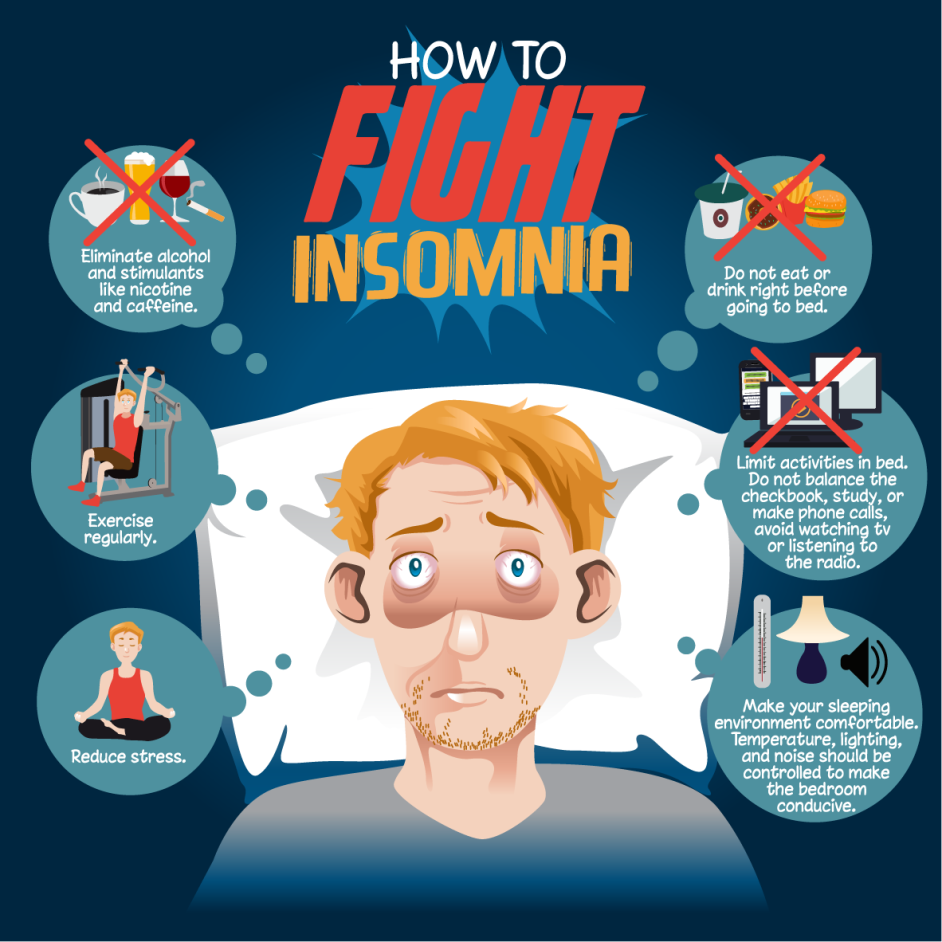
Helpful sleep habits can support treatment, although they may not be enough on their own when insomnia is persistent. Consider:
- Keeping a regular wake-up time, including on weekends.
- Making the bedroom comfortable, dark, and quiet.
- Limiting caffeine later in the day and avoiding nicotine near bedtime.
- Avoiding alcohol as a sleep aid, since it can disrupt sleep quality.
- Building a relaxing wind-down routine and reducing bright screens before bed.
- Getting regular daytime activity and exposure to natural light.
- Talking with a healthcare professional before using sleep medication or supplements.
When to get help
Speak with a healthcare professional if sleep difficulties are ongoing, are affecting your health or daily activities, or may be linked to a medication or another condition. Seek prompt medical advice for severe breathing problems during sleep, dangerous levels of daytime sleepiness, or symptoms that feel urgent. Addressing both sleep and its possible contributors can help guide a safer, more effective plan.
5 Advantages of Addressing Secondary Insomnia for Improved Sleep and Well-Being
- Identifying underlying causes can guide treatment.
- Treating related conditions may improve sleep.
- Medication reviews can uncover sleep-related side effects.
- CBT-I can help manage persistent insomnia.
- Better sleep may support daytime focus and well-being.
Six Ways Secondary Insomnia Can Disrupt Your Life
- Can cause daytime fatigue.
- May make it hard to concentrate.
- Can worsen mood and irritability.
- May aggravate an underlying health condition.
- Can interfere with work and daily routines.
- May persist without addressing its contributing cause.
Identifying underlying causes can guide treatment.
One benefit of recognizing secondary insomnia is that it can prompt a closer look at what may be disrupting sleep, such as a health condition, medication, stress, or substance use. Identifying these underlying factors can help a healthcare professional tailor treatment to the person’s needs—by addressing the contributing issue, adjusting a medication when appropriate, or recommending targeted support for sleep.
Treating related conditions may improve sleep.
One potential benefit of identifying secondary insomnia is that treatment can target a related condition that may be disrupting sleep. When issues such as pain, anxiety, reflux, or medication side effects are properly addressed, sleep may improve as well. A healthcare professional can help identify possible contributors and recommend safe, appropriate treatment.
Medication reviews can uncover sleep-related side effects.
A medication review can help identify whether a prescription or over-the-counter drug is contributing to sleep problems. Some medicines may cause alertness, frequent awakenings, or changes in sleep patterns, and a healthcare professional can assess whether adjusting the dose, timing, or treatment plan may help. Never stop or change a medication without first consulting the prescriber.
CBT-I can help manage persistent insomnia.
Cognitive behavioral therapy for insomnia (CBT-I) can help people manage persistent insomnia by addressing the thoughts and habits that interfere with sleep. With guidance from a trained professional or a suitable digital program, people can learn practical strategies to build a consistent sleep routine, reduce worry about sleep, and spend less time awake in bed. CBT-I is a well-established treatment and may improve sleep over time.
Better sleep may support daytime focus and well-being.
When the factors contributing to secondary insomnia are addressed and sleep improves, daytime focus and overall well-being may improve, too. More restorative sleep can support concentration, mood, energy, and the ability to manage everyday tasks. Results vary, and persistent sleep problems are best discussed with a healthcare professional.
Can cause daytime fatigue.
Secondary insomnia can leave you feeling tired and low on energy during the day, especially when an underlying health condition or repeated nighttime awakenings disrupts restful sleep. Daytime fatigue may make it harder to concentrate, manage everyday tasks, and maintain a steady mood.
May make it hard to concentrate.
Secondary insomnia can make it difficult to concentrate during the day. When sleep is repeatedly disrupted, the brain may not get enough restorative rest, which can affect attention, memory, and decision-making. Everyday tasks may feel more demanding, and staying focused at work, school, or while driving can become harder.
Can worsen mood and irritability.
Secondary insomnia can worsen mood and irritability by disrupting the restorative sleep the brain needs to regulate emotions. As poor sleep continues, a person may feel more impatient, stressed, or emotionally sensitive, and may find it harder to manage everyday challenges. These changes can affect relationships, work, and overall well-being, while stress about mood or sleep may further contribute to restless nights.
May aggravate an underlying health condition.
Secondary insomnia can aggravate an underlying health condition by disrupting the restorative sleep the body needs to regulate mood, immune function, pain, and other vital processes. Poor sleep may intensify symptoms such as pain, anxiety, or fatigue, making the condition harder to manage and potentially creating a cycle in which worsening symptoms further disrupt sleep. Addressing both the sleep problem and its possible underlying cause with a healthcare professional can help break this cycle.
Can interfere with work and daily routines.
Secondary insomnia can make it harder to manage work and everyday responsibilities. Poor or interrupted sleep may leave you feeling tired, unfocused, irritable, or less motivated, which can affect productivity, decision-making, and interactions with others. Routine tasks—such as driving, caring for family, or keeping appointments—may also feel more difficult, especially when daytime sleepiness persists.
May persist without addressing its contributing cause.
Secondary insomnia may persist if the health condition, medication, substance use, or other factor contributing to it is not addressed. Sleep strategies may offer some relief, but ongoing symptoms can continue when the underlying trigger remains. A healthcare professional can help identify possible contributors and recommend appropriate next steps; prescribed medications should not be stopped or changed without medical guidance.