Insomnia: What to Know and How Family Physicians Can Help
Insomnia is a common sleep problem that can make it hard to fall asleep, stay asleep, or return to sleep after waking too early. It can leave you feeling tired, irritable, or unfocused during the day. Family physicians, including those who follow resources from the American Academy of Family Physicians (AAFP), can help identify what may be affecting your sleep and guide you toward effective treatment.
What Counts as Insomnia?
Occasional poor sleep is common, especially during stress or illness. Chronic insomnia is generally defined as difficulty sleeping at least three nights a week for three months or longer, along with daytime effects, despite having enough time and a suitable setting for sleep.
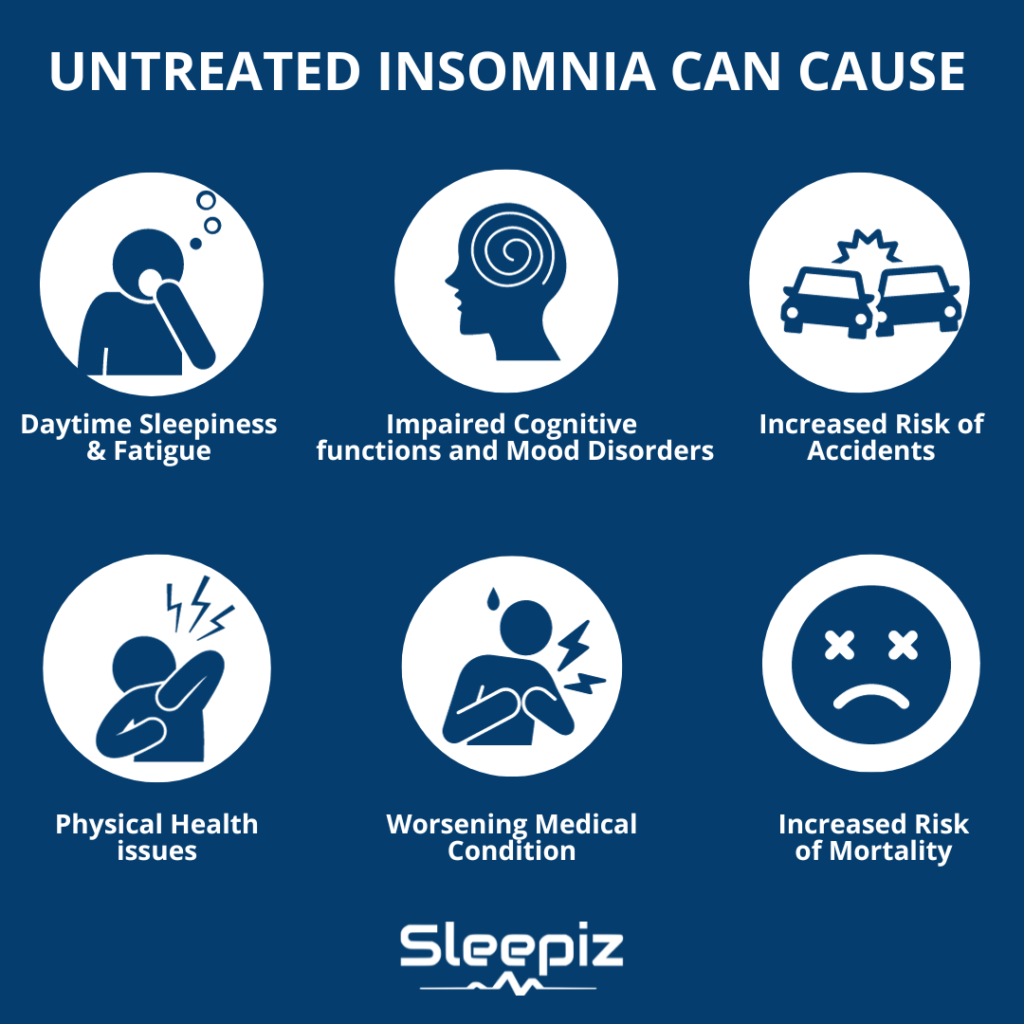
Daytime effects may include fatigue, trouble concentrating, reduced motivation, mood changes, or difficulty managing work and daily activities.
Common Causes and Contributing Factors
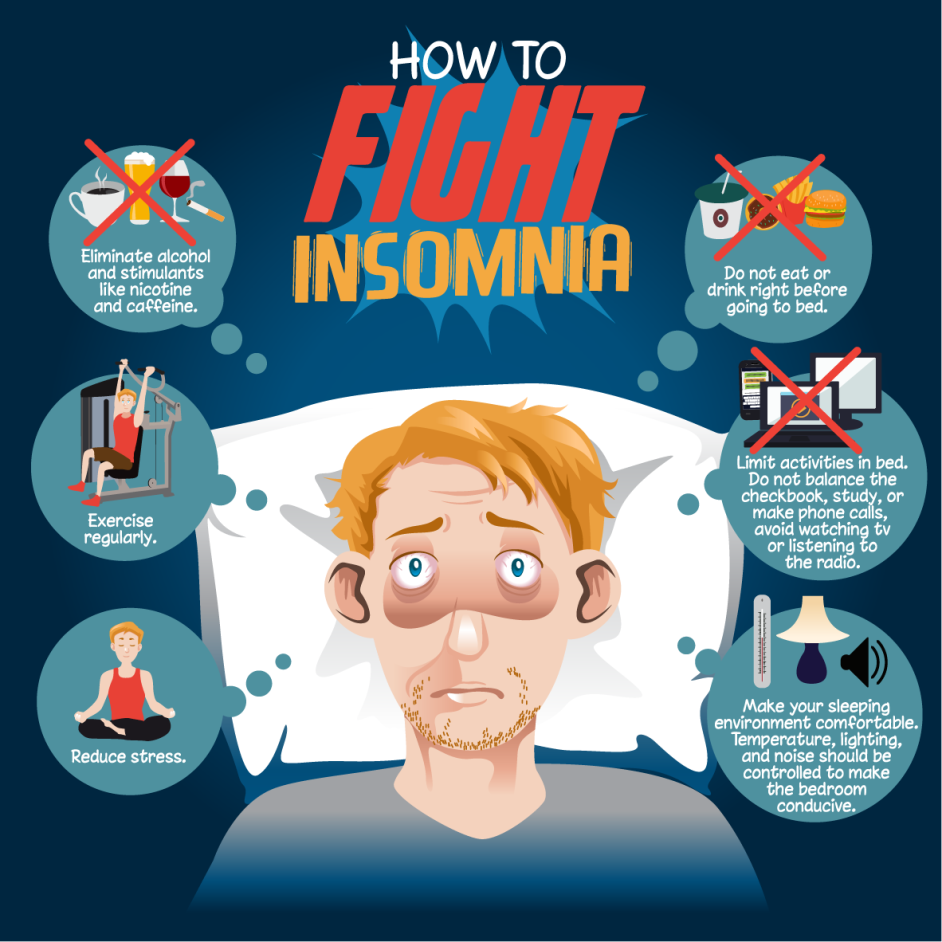
Insomnia can have more than one cause. Stress, anxiety, depression, irregular schedules, pain, and major life changes may contribute. Caffeine, nicotine, alcohol, some medications, and late-night screen use can also affect sleep. Alcohol may make a person feel sleepy at first, but it can disrupt sleep later in the night.
Sometimes another health condition is involved. A clinician may consider sleep apnea, restless legs syndrome, medication effects, or other medical and mental health concerns. Sharing your full health history and a list of medications and supplements can help guide the evaluation.
How Insomnia Is Evaluated
A family physician will typically ask about your sleep schedule, bedtime habits, nighttime awakenings, and how you feel during the day. They may ask about stress, mood, substances, medications, and symptoms of other sleep disorders. Keeping a sleep diary for a week or two can help reveal patterns.
Sleep studies are not needed for everyone with insomnia. A clinician may recommend one if symptoms suggest another sleep disorder or if the cause remains unclear.
Treatment: Start with Cognitive Behavioral Therapy for Insomnia
Cognitive behavioral therapy for insomnia (CBT-I) is a structured, evidence-based treatment that helps address thoughts and behaviors that interfere with sleep. It may include strategies such as limiting time awake in bed, building a consistent sleep schedule, relaxation techniques, and changing unhelpful beliefs about sleep. CBT-I can be provided in person, by telehealth, or through some validated digital programs.
General sleep habits can support treatment, though sleep hygiene alone may not be enough for chronic insomnia. Helpful practices include:
- Keeping a consistent wake-up time, including on weekends
- Making the bedroom dark, quiet, and comfortable
- Limiting caffeine later in the day and avoiding nicotine near bedtime
- Reducing alcohol, especially close to bedtime
- Creating a calm wind-down routine
- Getting regular physical activity, while avoiding intense exercise right before bed if it keeps you alert
When Medication May Be Considered
Medication may be an option for some people, often for a limited period or alongside other treatment. The right choice depends on a person’s symptoms, health conditions, other medications, and the potential benefits and risks. Sleep medicines can cause side effects such as next-day drowsiness, impaired coordination, or dependence, and some are not appropriate for certain people.
Talk with a healthcare professional before starting, stopping, or combining prescription sleep medicines, over-the-counter products, or supplements. Do not assume that a product labeled “natural” is risk-free.
When to Talk with a Doctor
Consider contacting a family physician if sleep problems persist, interfere with daily life, or lead you to rely regularly on sleep aids. Seek evaluation sooner if you have loud snoring or gasping during sleep, an urge to move your legs at night, severe daytime sleepiness, or significant changes in mood. A clinician can help identify possible causes and develop a treatment plan tailored to you.
Insomnia is treatable. With a careful evaluation and approaches such as CBT-I, many people can improve their sleep and daytime well-being.
8 Effective Tips to Combat Insomnia According to AAFP
- Keep a consistent sleep and wake schedule.
- Use your bed only for sleep and sex.
- Get out of bed if you can’t fall asleep after about 20 minutes.
- Avoid caffeine late in the day.
- Limit alcohol and nicotine near bedtime.
- Create a dark, quiet, comfortable sleep space.
- Try cognitive behavioral therapy for insomnia (CBT-I).
- Ask a health care professional about persistent insomnia or sleep medicines.
Keep a consistent sleep and wake schedule.
Keeping a consistent sleep and wake schedule can help regulate your body’s internal clock and make it easier to fall asleep and wake up. Try to go to bed and get up at about the same times every day, including weekends. If you’re working on improving insomnia, a steady wake-up time is often especially helpful; choose a schedule you can maintain and adjust it gradually if needed.
Use your bed only for sleep and sex.
Use your bed only for sleep and sex to help your brain associate it with rest rather than activities like watching TV, scrolling on your phone, or working. If you’re unable to fall asleep, get up and do something quiet in dim light until you feel sleepy, then return to bed. This approach can strengthen the connection between your bed and sleep over time.
Get out of bed if you can’t fall asleep after about 20 minutes.
If you’re still awake after about 20 minutes, get out of bed and do something quiet and relaxing in dim light, such as reading a book. Try not to watch the clock, since that can add pressure. Return to bed when you feel sleepy, helping your brain associate the bed with sleep rather than frustration.
Avoid caffeine late in the day.
Avoid caffeine late in the day to make it easier for your body to wind down at bedtime. Coffee, tea, energy drinks, soda, and even chocolate can contain caffeine, which may keep you alert or make sleep lighter and more disrupted. Because caffeine can stay in your system for several hours, consider limiting it to the morning or early afternoon and notice whether changing your routine improves your sleep.
Limit alcohol and nicotine near bedtime.
Limit alcohol and nicotine near bedtime to support better sleep. Alcohol may make you feel sleepy at first, but it can disrupt sleep later in the night and lead to more frequent waking. Nicotine is a stimulant that can make it harder to fall asleep and stay asleep. Reducing or avoiding both in the hours before bed may help improve sleep quality.
Create a dark, quiet, comfortable sleep space.
Create a dark, quiet, comfortable sleep space to help your body settle down at bedtime. Use blackout curtains or an eye mask to reduce light, and limit noise with earplugs, a fan, or a white-noise machine. Keep the room at a temperature that feels comfortable, and choose bedding that supports restful sleep. A calm, inviting bedroom can make it easier to fall asleep and stay asleep.
Try cognitive behavioral therapy for insomnia (CBT-I).
Try cognitive behavioral therapy for insomnia (CBT-I), a structured, evidence-based treatment that helps address the thoughts and habits that can keep sleep problems going. With a trained provider or a validated digital program, CBT-I may include strategies for building a consistent sleep schedule, reducing time spent awake in bed, and practicing relaxation techniques. It is often recommended as a first-line treatment for chronic insomnia; ask your healthcare professional whether it’s right for you.
Ask a health care professional about persistent insomnia or sleep medicines.
If insomnia persists or begins to interfere with daily life, talk with a health care professional. They can help identify possible causes and recommend appropriate treatment, including whether a sleep medicine may be suitable. Ask about potential side effects, interactions, and how long to use any medication, and don’t start, stop, or combine sleep medicines without professional guidance.