Melatonin Max Strength: What to Know Before Choosing a High-Dose Supplement
Products labeled “melatonin max strength” may seem like a quick solution for sleepless nights. But “max strength” is a marketing term, not a standard medical dose. A higher amount is not necessarily more effective, and it may increase the chance of side effects. Before choosing a high-strength product, it helps to understand what melatonin can—and cannot—do.
What is melatonin?
Melatonin is a hormone the body produces in response to darkness. It helps regulate the sleep-wake cycle, also known as the circadian rhythm. Melatonin supplements may be useful for some people whose sleep timing is disrupted, such as travelers experiencing jet lag or people with certain circadian-rhythm concerns. They are not a guaranteed treatment for every kind of insomnia.
Is there a standard maximum strength?
There is no universally accepted “maximum strength” dose for melatonin supplements. Products sold in the United States come in a wide range of amounts, and labels such as “extra strength” or “maximum strength” do not establish that a product is more appropriate or more effective.
For some adults, a clinician may recommend starting with a low dose, sometimes around 0.5 to 1 milligram, depending on the reason for use and individual circumstances. The right amount and timing can vary. Taking more may not improve sleep and can cause unwanted effects, including next-day grogginess, dizziness, headache, nausea, or vivid dreams.
Why more may not mean better
Melatonin’s effects depend on factors such as when it is taken, the amount used, and the reason someone is having trouble sleeping. A high dose taken at the wrong time may shift the body clock in an unintended direction or leave a person feeling drowsy the next day. Persistent sleep problems may also have causes that melatonin cannot address, such as sleep apnea, medication effects, stress, or other health conditions.
Safety considerations
Talk with a healthcare professional before using melatonin—especially a high-strength product—if you take prescription or over-the-counter medicines, have a chronic health condition, or are pregnant or breastfeeding. Melatonin may interact with some medicines, including drugs that affect blood clotting, seizure medicines, immune-suppressing medicines, and medicines for blood pressure or diabetes.
Melatonin can cause drowsiness. Do not drive or operate machinery if you feel sleepy after taking it, and avoid combining it with alcohol or other substances that cause sedation unless a healthcare professional says it is safe. Keep supplements out of children’s reach. A child who may have swallowed melatonin should be assessed promptly by a medical professional or poison control.
How to choose a melatonin supplement
- Look beyond “max strength” claims and check the actual amount of melatonin per serving.
- Follow the product label and a healthcare professional’s guidance; do not increase the amount because the first dose did not seem to work.
- Consider products tested by an independent quality organization, when available. Dietary supplements are not approved by the FDA for safety and effectiveness before they are marketed.
- Ask a pharmacist or clinician about interactions, especially if you take other medicines or are considering melatonin for a child.
When to seek help for sleep problems
If sleep difficulties continue, happen frequently, or affect daily functioning, consult a healthcare professional rather than relying on a stronger supplement. A clinician can help identify the cause and discuss options. Consistent sleep and wake times, a relaxing bedtime routine, and limiting bright light and stimulating activities before bed may also support healthy sleep habits.
Bottom line: “Melatonin max strength” does not mean “best” or “right for you.” The safest approach is to use the lowest amount that a healthcare professional recommends for your situation, pay attention to timing and side effects, and get persistent sleep problems evaluated.
6 Potential Benefits of Maximum-Strength Melatonin
- May support sleep-wake timing for some people.
- Convenient supplement format.
- Clearly labeled strength can make serving sizes easier to track.
- May be useful for occasional jet lag.
- Can be taken as part of a consistent bedtime routine.
- Available in many formulations and serving sizes.
6 Potential Drawbacks of Maximum-Strength Melatonin
- Higher doses may not improve sleep.
- May cause next-day drowsiness.
- Can trigger headaches or dizziness.
- May interact with some medications.
- Timing errors can disrupt sleep rhythms.
- Supplement strength and quality may vary.
May support sleep-wake timing for some people.
Melatonin may help support sleep-wake timing for some people, such as those adjusting to jet lag or a shifted schedule. However, a “max strength” product is not necessarily more effective; the right dose and timing depend on the individual and the reason for use.
Convenient supplement format.
Melatonin max-strength supplements are often available in convenient formats, such as tablets, capsules, or gummies, making them easy to take as part of a bedtime routine. Their premeasured servings can also be simpler to use than liquid products, though it’s important to follow the label and choose a dose appropriate for your needs.
Clearly labeled strength can make serving sizes easier to track.
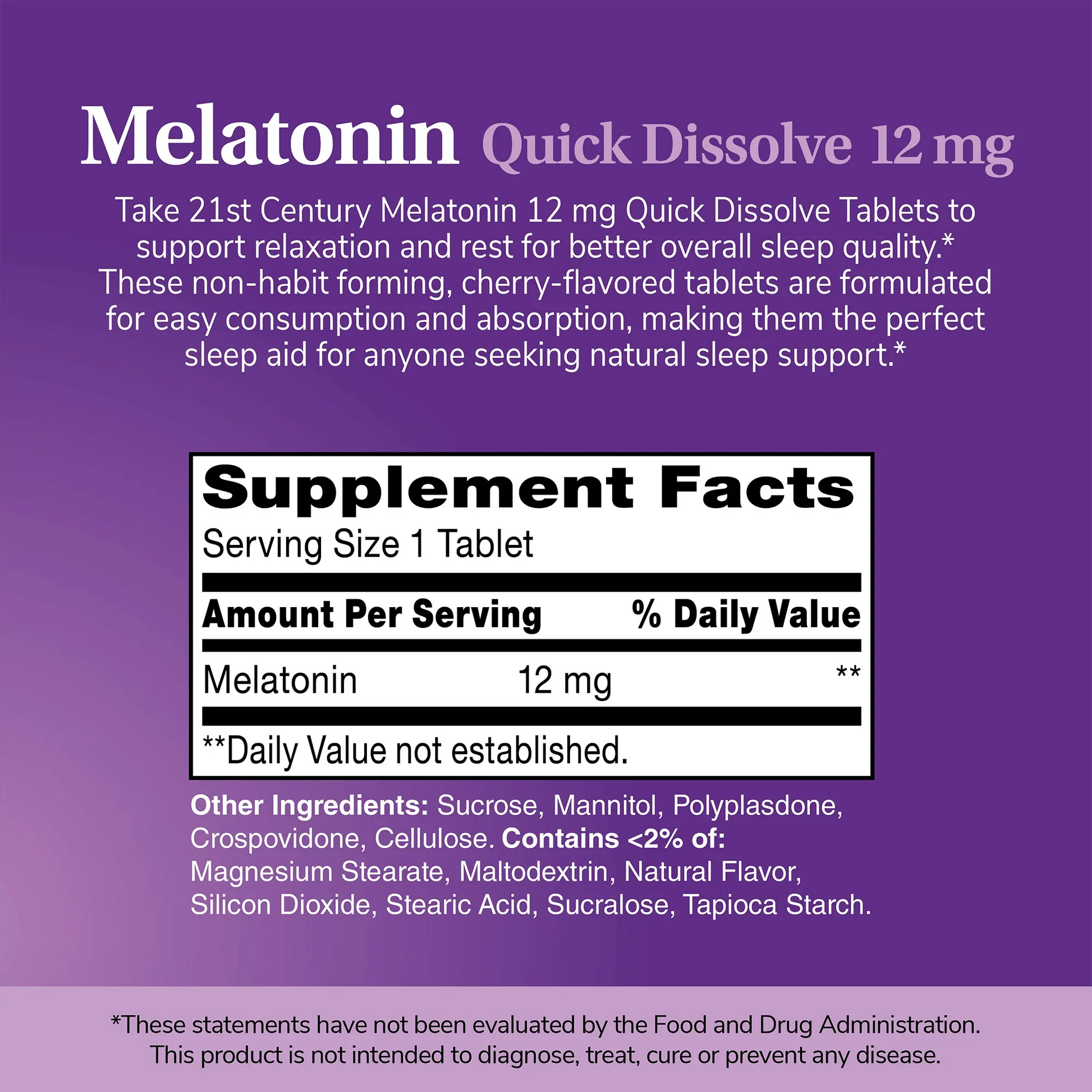
A clearly labeled melatonin strength can make it easier to track how much you’re taking per serving and follow the product directions consistently. Check the amount per tablet or gummy—not just the front-label “max strength” claim—and ask a healthcare professional what dose is appropriate for you.
May be useful for occasional jet lag.
A high-strength melatonin product may seem appealing for occasional jet lag, but a larger dose is not necessarily more effective. Melatonin may help some travelers adjust their sleep timing after crossing time zones, especially when taken at an appropriate time. Ask a healthcare professional or pharmacist about the right dose and timing for your situation, and avoid driving if it makes you drowsy.
Can be taken as part of a consistent bedtime routine.
Melatonin max strength can be taken as part of a consistent bedtime routine, which may help make winding down feel more structured. Taking it at the same time each evening, as directed on the label or by a healthcare professional, can support a regular schedule. However, a higher-strength product is not necessarily more effective, so choose an appropriate dose and seek medical advice if sleep problems persist.
Available in many formulations and serving sizes.
Melatonin is available in many formulations and serving sizes, making it easier to find an option that fits different preferences and needs. Products may come as tablets, capsules, gummies, or liquids, with amounts that range from lower-dose options to higher-strength servings. This variety can offer flexibility, but “max strength” does not necessarily mean more effective, so it’s best to check the label and ask a healthcare professional which option is appropriate.
Higher doses may not improve sleep.
Higher doses of melatonin may not improve sleep and can sometimes make the experience worse. Taking more than needed may increase the risk of side effects such as next-day grogginess, dizziness, headaches, or vivid dreams, without helping you fall asleep faster or stay asleep longer. The right amount and timing vary, so a high-strength product is not automatically more effective; ask a healthcare professional for guidance, especially if sleep problems persist.
May cause next-day drowsiness.
One potential drawback of high-strength melatonin is next-day drowsiness. Taking more than your body needs—or taking it too late—may leave you feeling groggy, sluggish, or less alert the following morning, which can affect work, school, driving, and other activities that require focus. Avoid driving or operating machinery if you feel sleepy, and ask a healthcare professional about the dose and timing that may be appropriate for you.
Can trigger headaches or dizziness.
A potential downside of max-strength melatonin is that it may trigger headaches or dizziness, particularly if the dose is higher than your body needs. These effects can make it harder to concentrate and may linger into the next day. If symptoms occur, stop taking the supplement and talk with a healthcare professional before trying it again or changing the dose.
May interact with some medications.
Melatonin max-strength supplements may interact with certain medications, potentially changing how they work or increasing side effects. Possible interactions include medicines that affect blood clotting, blood pressure, blood sugar, seizures, or the immune system, as well as drugs that cause drowsiness. Before taking a high-dose melatonin product, check with a doctor or pharmacist—especially if you use prescription medicines or other supplements.
Timing errors can disrupt sleep rhythms.
Taking a high-strength melatonin supplement at the wrong time may shift your body’s internal clock in an unintended direction, making it harder to fall asleep or wake up when you want to. Because melatonin’s effects depend on timing as well as dose, taking more does not necessarily improve sleep and may contribute to a disrupted sleep rhythm or next-day grogginess. Follow the product directions and ask a healthcare professional for guidance, especially if sleep problems persist.
Supplement strength and quality may vary.
The strength and quality of melatonin supplements can vary from one product to another, so the amount listed on the label may not always reflect what’s actually in each dose. This can make it harder to know how much melatonin you’re taking, particularly with high-strength products. Choosing supplements that have been independently tested may help, but it’s wise to check with a healthcare professional before use.