Prozac and Insomnia: What to Know
Prozac, the brand name for fluoxetine, is a prescription antidepressant in a group of medicines called selective serotonin reuptake inhibitors (SSRIs). It is used to treat conditions such as depression, obsessive-compulsive disorder, panic disorder, and bulimia nervosa. Like other antidepressants, Prozac can affect sleep. Some people experience insomnia or feel more restless, while others feel sleepy or tired.
Can Prozac cause insomnia?
Yes. Insomnia and difficulty sleeping are recognized possible side effects of fluoxetine. Sleep changes may include trouble falling asleep, waking during the night, or feeling unusually restless. These effects can be more noticeable when starting treatment or after a dose increase, though experiences vary.
Depression and anxiety can also disrupt sleep, so it may not always be clear whether symptoms are related to Prozac, the condition being treated, or another factor. A health care professional can help assess what may be contributing.
How long can sleep problems last?
Some side effects may ease as the body adjusts, but there is no set timeline. Fluoxetine remains in the body for a relatively long time, so changes after starting, stopping, or adjusting the dose may not happen immediately. Contact the prescriber if insomnia is severe, persists, or interferes with daily life.
What may help?
- Talk with the prescriber. Describe when the sleep problem began, how often it happens, and how it affects you. The prescriber can review your dose, schedule, other medicines, and overall treatment plan.
- Ask about dose timing. If Prozac seems to make you feel more alert, the prescriber may recommend taking it in the morning. Do not change the timing or dose without checking, especially if you take other medicines or have been given specific instructions.
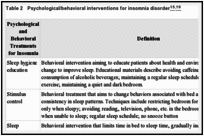
- Keep a consistent sleep schedule. Going to bed and waking up at similar times can support more regular sleep.
- Limit sleep disruptors. Caffeine later in the day, nicotine, alcohol, and bright screens close to bedtime can affect sleep. Alcohol can also interact with medicines and worsen side effects.
- Review other substances and medicines. Tell your prescriber and pharmacist about prescription medicines, over-the-counter products, and supplements. Some can affect sleep or interact with fluoxetine.
Do not stop taking Prozac or reduce your dose on your own. Stopping or changing treatment without medical guidance can cause problems, including a return or worsening of symptoms. If a change is appropriate, the prescriber can advise how to make it safely.
When to seek medical help
Contact your prescriber promptly if insomnia is intense, continues, or comes with unusual agitation, racing thoughts, or a reduced need for sleep. These changes may require timely evaluation, particularly after starting Prozac or changing the dose.
Get immediate help for thoughts of suicide or self-harm, severe confusion, fainting, or symptoms such as high fever, marked agitation, sweating, tremor, muscle stiffness, or a rapid heartbeat. In the United States, call or text 988 for the Suicide & Crisis Lifeline; call 911 for an immediate emergency.
The bottom line
Prozac can cause insomnia, but sleep problems may also come from the condition being treated or other factors. Share any new or persistent sleep changes with the prescribing professional. They can help determine the cause and recommend a safe approach without disrupting treatment.
This article is for general information and is not a substitute for personalized medical advice.
Prozac and Insomnia: 7 Frequently Asked Questions About Sleep Side Effects
- Can Prozac cause insomnia?
- How long does insomnia from Prozac usually last?
- Is it better to take Prozac in the morning if it keeps me awake?
- What can I do to sleep better while taking Prozac?
- Should I stop taking Prozac if it causes insomnia?
- Can Prozac cause other sleep problems, such as vivid dreams or nighttime waking?
- When should I contact a health care professional about insomnia while taking Prozac?
Can Prozac cause insomnia?
Yes, Prozac (fluoxetine) can cause insomnia or restlessness in some people, particularly when starting treatment or increasing the dose. Sleep changes may also be related to the condition being treated or other factors. If insomnia is persistent or affects daily life, contact the prescribing health care professional; don’t change the dose or stop taking Prozac without medical guidance.
How long does insomnia from Prozac usually last?
Insomnia after starting Prozac (fluoxetine) may improve as your body adjusts, often over the first few weeks, but the timing varies and sleep problems can last longer for some people. Because fluoxetine stays in the body for an extended time, changes may not happen right away. If insomnia is severe, persists, or affects your daily life, contact your prescriber to discuss safe options; don’t stop or change your dose on your own.
Is it better to take Prozac in the morning if it keeps me awake?
If Prozac (fluoxetine) seems to keep you awake, taking it in the morning may help because some people find it activating. Check with your prescriber or pharmacist before changing when you take it, especially if you take other medicines or have specific dosing instructions. Fluoxetine stays in the body for a long time, so changing the time may not resolve insomnia right away. Don’t stop or change your dose on your own, and contact your prescriber if sleep problems persist or worsen.
What can I do to sleep better while taking Prozac?
To sleep better while taking Prozac, try keeping a consistent sleep and wake schedule, creating a relaxing bedtime routine, and limiting caffeine later in the day, alcohol, and screen use before bed. If Prozac seems to make you feel more alert, ask your prescriber whether taking it in the morning might help; don’t change your dose or timing without checking with them. Let your prescriber know if insomnia persists or affects your daily life, and don’t stop taking Prozac on your own.
Should I stop taking Prozac if it causes insomnia?
No. Don’t stop taking Prozac or change your dose on your own if you’re experiencing insomnia. Stopping suddenly can cause problems or worsen the condition being treated. Contact your prescriber to discuss the sleep changes; they can assess possible causes and advise whether adjusting the timing, dose, or treatment is appropriate. Seek prompt help if you’re barely sleeping or feel unusually agitated, energized, or unsafe.
Can Prozac cause other sleep problems, such as vivid dreams or nighttime waking?
Yes. Prozac (fluoxetine) can affect sleep in different ways, and some people report vivid or unusual dreams, waking during the night, or feeling restless, while others feel sleepy. Sleep changes may also be related to the condition being treated or other factors. If these problems persist, are severe, or affect your daily life, talk with your prescriber; don’t stop or change your dose without medical guidance.
When should I contact a health care professional about insomnia while taking Prozac?
Contact a health care professional if insomnia starts after taking Prozac, persists, worsens, or interferes with your daily activities. Reach out promptly if sleep changes come with unusual agitation, racing thoughts, or needing much less sleep than usual, especially after starting Prozac or changing the dose. Don’t stop or adjust your medication without guidance from your prescriber. Seek immediate help for thoughts of suicide or self-harm, or severe symptoms such as confusion, high fever, muscle stiffness, or a rapid heartbeat.