PMS and Insomnia: Why Sleep Can Be Harder Before Your Period
For some people, the days before a period bring more than bloating, cramps, or mood changes. Trouble falling asleep, waking during the night, or feeling unrested can also occur. These sleep problems may be linked to premenstrual syndrome (PMS), and they often improve once menstruation begins.
How PMS Can Affect Sleep
PMS symptoms typically occur during the luteal phase—the time between ovulation and the start of a period. Hormone levels shift during this phase, and those changes may affect body temperature, mood, and sleep. The rise in core body temperature that can occur after ovulation may make it harder to fall or stay asleep for some people.
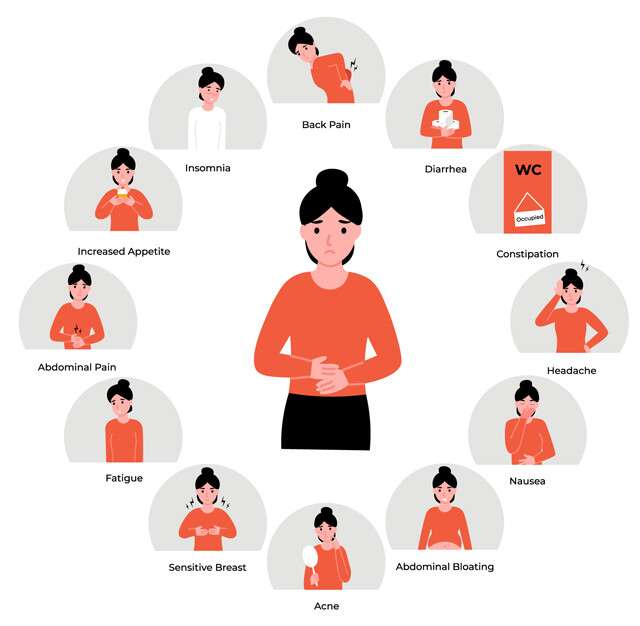
Other PMS symptoms can disrupt rest, too. Cramps, headaches, breast tenderness, bloating, and frequent bathroom trips may cause nighttime awakenings. Irritability, anxiety, or low mood can make it harder to unwind. Some people also notice changes in appetite or energy that affect their usual routines.
Sleep and PMS can influence each other. Poor sleep may make fatigue and emotional symptoms feel worse, while uncomfortable or distressing symptoms can make sleep more difficult.
When It May Be More Than PMS
Sleep changes that follow a predictable pattern before a period and ease after it starts may be related to PMS. Keeping a daily record of sleep, mood, and physical symptoms for at least two menstrual cycles can help reveal a pattern and provide useful information for a healthcare professional.
Severe emotional symptoms may indicate premenstrual dysphoric disorder (PMDD), a condition related to PMS that can substantially affect daily life. Persistent insomnia throughout the month may have other causes, such as stress, medication effects, anxiety, depression, or a sleep disorder, so it is worth discussing with a clinician.
Ways to Support Better Sleep
- Keep a consistent schedule. Try to go to bed and wake up at about the same time every day, including weekends.
- Create a calming wind-down routine. Dim the lights and choose a relaxing activity, such as reading, gentle stretching, or a warm bath.
- Make the bedroom comfortable. A cool, dark, quiet room may help, especially if feeling warmer is part of the problem.
- Consider caffeine and alcohol. Caffeine late in the day can interfere with sleep. Alcohol may make a person feel drowsy at first but can fragment sleep later in the night.
- Stay active. Regular movement may support sleep and overall well-being. Choose an activity and timing that feel comfortable.
- Address discomfort. A heating pad or other measures recommended by a healthcare professional may help with cramps. Ask a clinician or pharmacist before starting medication, particularly if there are other health conditions or medicines involved.
- Track symptoms. Note when sleep problems occur, how severe they are, and whether they improve after the period begins.
If insomnia continues, cognitive behavioral therapy for insomnia (CBT-I) is an established treatment that can help improve sleep habits and reduce patterns that keep insomnia going. A healthcare professional can also discuss whether PMS-focused treatments are appropriate. Treatment choices depend on symptoms, health history, and personal circumstances.
When to Seek Help
Consider talking with a healthcare professional if sleep problems happen regularly, interfere with work or daily activities, do not improve after menstruation begins, or occur alongside severe PMS symptoms. Seek urgent support for thoughts of self-harm or suicide. In the United States, call or text 988 to reach the Suicide & Crisis Lifeline.
PMS-related insomnia is real, and it is not something that has to be dismissed as simply part of having a period. Identifying the timing and causes of sleep disruption can help guide practical changes and, when needed, effective treatment.
PMS and Insomnia: 6 Frequently Asked Questions About Sleep Before Your Period
- Can PMS cause insomnia?
- Why is it harder to sleep before my period?
- How long does PMS-related insomnia usually last?
- What can I do to sleep better before my period?
- Can PMS-related insomnia be a sign of PMDD?
- When should I talk to a doctor about sleep problems before my period?
Can PMS cause insomnia?
Yes. PMS can contribute to insomnia or other sleep changes in the days before a period. Hormonal shifts, a slight rise in body temperature, and symptoms such as cramps, bloating, headaches, anxiety, or low mood may make it harder to fall asleep or stay asleep. These symptoms often improve once menstruation begins. If sleep problems are severe, persist throughout the month, or interfere with daily life, talk with a healthcare professional.
Why is it harder to sleep before my period?
It may be harder to sleep before your period because hormonal changes during the days after ovulation can affect body temperature, mood, and your sleep-wake cycle. PMS symptoms such as cramps, bloating, breast tenderness, headaches, anxiety, or irritability can also make it difficult to fall asleep or stay asleep. These changes often improve once your period begins. If sleep problems are severe, persist throughout the month, or interfere with daily life, talk with a healthcare professional.
How long does PMS-related insomnia usually last?
PMS-related insomnia usually occurs during the days before a period, often in the final week of the menstrual cycle, and improves once the period begins or within the first few days. The timing and duration vary from person to person and from cycle to cycle. If sleep problems persist throughout the month, continue well after your period starts, or significantly affect daily life, consider discussing them with a healthcare professional.
What can I do to sleep better before my period?
To sleep better before your period, keep a consistent bedtime and wake time, and create a relaxing wind-down routine. Make your bedroom cool, dark, and quiet; gentle exercise, stretching, or a warm bath may also help you unwind. Consider limiting caffeine later in the day and avoiding alcohol close to bedtime, since it can disrupt sleep. If cramps or other symptoms keep you awake, ask a healthcare professional about safe ways to manage them. Tracking your sleep and cycle can help identify patterns, and if sleep problems are severe or persist throughout the month, talk with a healthcare professional.
Can PMS-related insomnia be a sign of PMDD?
PMS-related insomnia can occur with premenstrual dysphoric disorder (PMDD), but trouble sleeping alone does not mean you have PMDD. PMDD typically involves several severe emotional and physical symptoms that recur before a period, improve shortly after it begins, and significantly disrupt daily life; sleep changes may be one of them. If symptoms are intense or affect work, relationships, or daily activities, track them across at least two menstrual cycles and talk with a healthcare professional for an evaluation.
When should I talk to a doctor about sleep problems before my period?
Talk to a doctor if sleep problems before your period happen regularly, interfere with work or daily activities, or don’t improve once your period begins. It’s also a good idea to seek advice if insomnia is severe, continues throughout the month, or occurs with intense mood changes, anxiety, or other symptoms that concern you. Keeping a sleep and symptom diary for a few menstrual cycles can help your doctor identify patterns and discuss appropriate next steps.