PCOS and Insomnia: Understanding the Connection
Polycystic ovary syndrome (PCOS) can affect more than menstrual cycles and fertility. Some people with PCOS also have trouble falling asleep, staying asleep, or waking feeling rested. Insomnia can have many causes, and PCOS does not automatically mean someone will develop a sleep disorder. Still, understanding possible connections can help people find the right support.
Can PCOS contribute to sleep problems?
PCOS is a hormonal and metabolic condition. Its symptoms and related health concerns may overlap with factors that affect sleep, including:
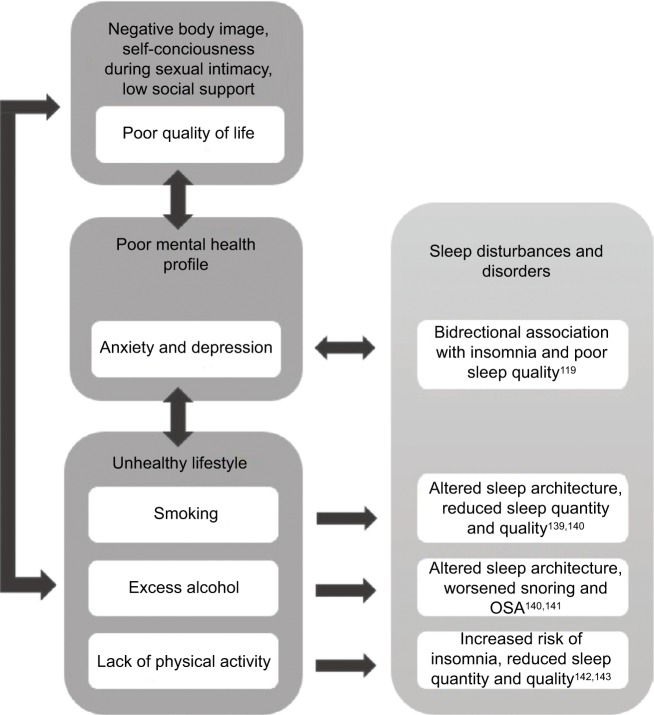
- Stress, anxiety, or low mood: Coping with ongoing symptoms or uncertainty about health can make it harder to wind down. Anxiety and depression can also occur alongside PCOS and may affect sleep.
- Changes in weight or metabolism: These can influence sleep and may increase the likelihood of obstructive sleep apnea, a condition in which breathing repeatedly stops and starts during sleep.
- Sleep apnea: Research has found a higher risk of obstructive sleep apnea among people with PCOS, though it does not affect everyone. Loud snoring, gasping during sleep, morning headaches, or significant daytime sleepiness are reasons to ask a healthcare professional about evaluation.
- Other symptoms or health conditions: Pain, irregular schedules, medication effects, and other medical concerns can interrupt sleep. The cause may not be PCOS itself.
These factors can interact. For example, poor sleep may make it harder to manage energy, mood, and daily routines, while stress or untreated sleep apnea can further disrupt sleep. The relationship is complex, and insomnia alone cannot identify the cause.
Insomnia and sleep apnea are not the same
Insomnia generally means persistent difficulty falling asleep, staying asleep, or returning to sleep after waking, despite having enough opportunity to sleep. Obstructive sleep apnea is a breathing-related sleep disorder. A person can have one or both conditions, and their symptoms may overlap. A sleep specialist can help determine whether testing is appropriate.
When to talk with a healthcare professional
Consider discussing sleep with a primary care clinician, gynecologist, or sleep specialist if problems happen regularly, affect daily life, or continue despite changes to your routine. Seek advice sooner if you experience loud snoring, witnessed pauses in breathing, waking up choking or gasping, or severe daytime sleepiness.
A clinician may ask about sleep habits, symptoms, medications, mood, and PCOS-related concerns. Depending on the situation, they may recommend screening for sleep apnea, review other possible causes, or refer you for a sleep study. Bring a list of medicines and supplements, and consider keeping a brief sleep diary that records bedtime, wake time, awakenings, caffeine, and daytime symptoms.
Ways to support better sleep
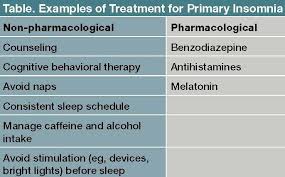
- Keep a consistent schedule: Try to wake up and go to bed at similar times each day, including weekends.
- Create a wind-down routine: Set aside quiet time before bed. Dim lights and choose a relaxing activity, such as reading or gentle stretching.
- Make the bedroom sleep-friendly: Keep it dark, quiet, and comfortably cool. Reduce screen use if it makes it harder to relax.
- Pay attention to caffeine and alcohol: Caffeine late in the day can interfere with sleep. Alcohol may make some people feel sleepy at first but can disrupt sleep later in the night.
- Get regular movement: Physical activity can support overall health and sleep. Choose a routine that is manageable and avoid exercising close to bedtime if it feels energizing.
- Manage stress during the day: Relaxation exercises, mindfulness, or counseling may help address stress that carries into bedtime.
For ongoing insomnia, cognitive behavioral therapy for insomnia (CBT-I) is a well-studied treatment that helps address patterns and thoughts that keep sleep problems going. A healthcare professional can help determine whether CBT-I or another treatment is appropriate. Do not start, stop, or change medications or supplements for sleep or PCOS without discussing it with a qualified clinician.
Addressing PCOS and sleep together
Sleep care can be part of a broader PCOS care plan, alongside management of menstrual, metabolic, skin, or fertility concerns. The most helpful approach depends on each person’s symptoms and health history. Treating a contributing issue—such as sleep apnea, anxiety, or another medical condition—may improve sleep more effectively than relying on sleep tips alone.
Takeaway: Insomnia can occur in people with PCOS, but it has many possible causes. Persistent sleep difficulties deserve attention, especially when accompanied by signs of sleep apnea or significant daytime impairment. A healthcare professional can help identify the cause and discuss safe, effective options.
This article is for general information only and is not a substitute for medical advice, diagnosis, or treatment.
PCOS and Insomnia: Common Questions About Sleep Problems, Causes, and Treatment
- Can PCOS cause insomnia?
- Why does PCOS make it harder to sleep?
- Is sleep apnea more common in people with PCOS?
- How can I improve insomnia related to PCOS?
- When should I see a doctor about PCOS and sleep problems?
Can PCOS cause insomnia?
PCOS may contribute to sleep difficulties, but it does not directly cause insomnia in everyone. Hormonal and metabolic changes, stress, anxiety, or related conditions such as obstructive sleep apnea may play a role. If trouble falling or staying asleep is persistent—or comes with loud snoring, gasping during sleep, or significant daytime tiredness—talk with a healthcare professional to explore possible causes and treatment options.
Why does PCOS make it harder to sleep?
PCOS may make sleep more difficult through a combination of factors rather than one single cause. Hormonal and metabolic changes, stress, anxiety, or low mood can interfere with falling or staying asleep. PCOS is also associated with a higher risk of obstructive sleep apnea, which can cause snoring, gasping, frequent awakenings, and daytime sleepiness. Not everyone with PCOS has sleep problems, so persistent insomnia or signs of sleep apnea are worth discussing with a healthcare professional.
Is sleep apnea more common in people with PCOS?
Yes. Research suggests obstructive sleep apnea is more common in people with PCOS than in people without it, although not everyone with PCOS has sleep apnea. Weight and metabolic factors may contribute, and PCOS-related hormonal differences may also play a role. If you have loud snoring, pauses in breathing during sleep, waking up gasping, or persistent daytime sleepiness, talk with a healthcare professional about whether screening or a sleep study may be appropriate.
How can I improve insomnia related to PCOS?
To improve insomnia related to PCOS, start with consistent sleep and wake times, a calming bedtime routine, and a dark, quiet, comfortable bedroom. Limit late-day caffeine and avoid using alcohol as a sleep aid, since it can disrupt sleep. Regular physical activity and stress-management practices may also help. If sleep problems persist or affect your daily life, talk with a healthcare professional about possible causes and treatments, including cognitive behavioral therapy for insomnia (CBT-I). Mention symptoms such as loud snoring, gasping during sleep, or severe daytime sleepiness, which may warrant evaluation for sleep apnea.
When should I see a doctor about PCOS and sleep problems?
See a healthcare professional if sleep problems happen regularly, last for several weeks, or interfere with your mood, concentration, work, or daily activities. Contact a clinician sooner if you snore loudly, wake up gasping or choking, someone notices pauses in your breathing, or you have severe daytime sleepiness, since these can be signs of sleep apnea. A doctor can help assess possible causes, including PCOS-related concerns, medications, stress, and other health conditions, and recommend appropriate treatment.