Anemia and Insomnia: Understanding the Connection
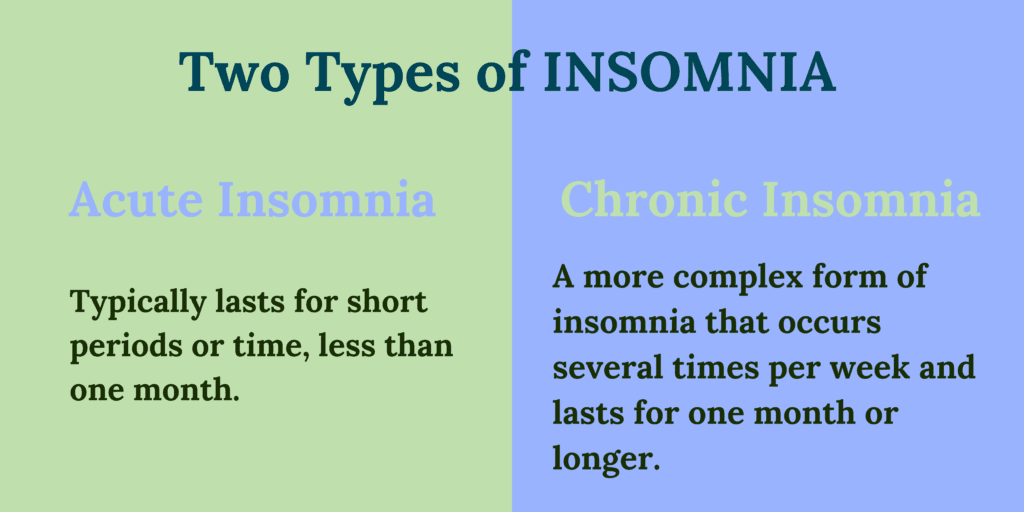
Both anemia and insomnia are common health conditions that can significantly impact a person’s well-being. Anemia is a condition characterized by a lack of healthy red blood cells or hemoglobin in the blood, leading to reduced oxygen flow to tissues and organs. On the other hand, insomnia is a sleep disorder that makes it difficult for individuals to fall asleep or stay asleep, resulting in poor quality rest.
The Link Between Anemia and Insomnia
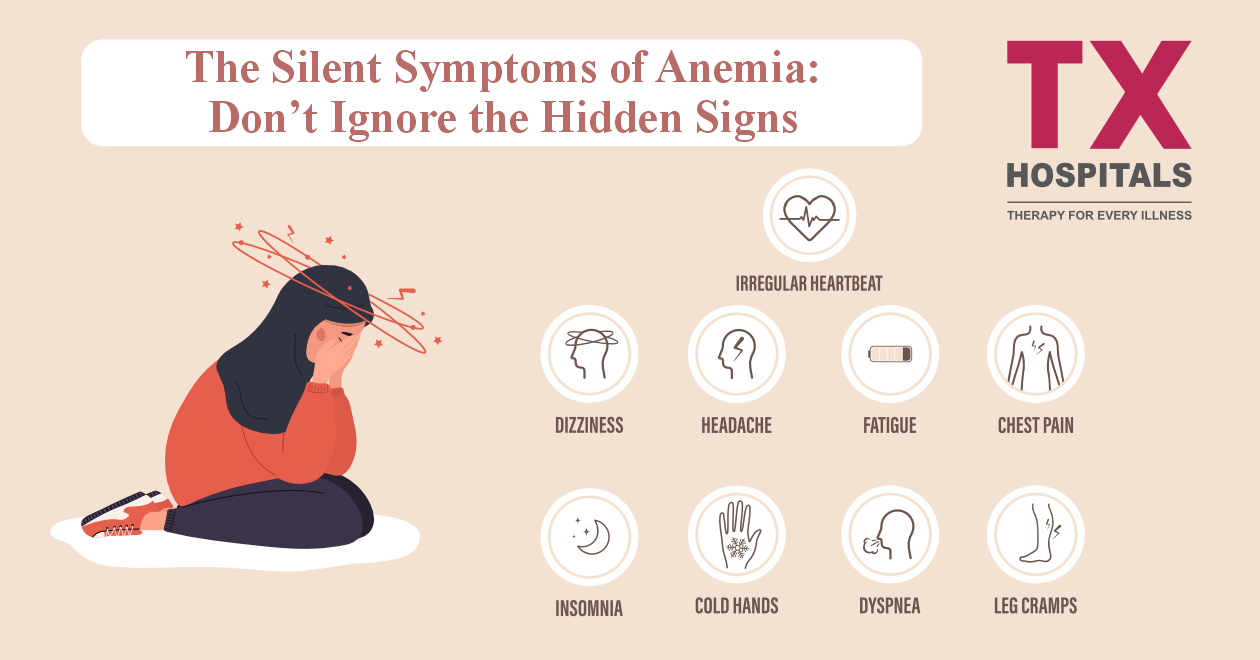
Research suggests that there may be a connection between anemia and insomnia. Anemia can cause symptoms such as fatigue, weakness, and shortness of breath, which can disrupt normal sleep patterns and contribute to insomnia. Additionally, low levels of iron – a common cause of anemia – have been linked to restless leg syndrome, a condition characterized by uncomfortable sensations in the legs that worsen at night and can interfere with sleep.
Managing Anemia and Insomnia
If you are experiencing symptoms of both anemia and insomnia, it is essential to consult with your healthcare provider for proper diagnosis and treatment. Managing anemia may involve dietary changes to increase iron intake or iron supplementation under medical supervision. Addressing underlying causes of anemia, such as chronic diseases or nutritional deficiencies, is crucial for improving overall health.
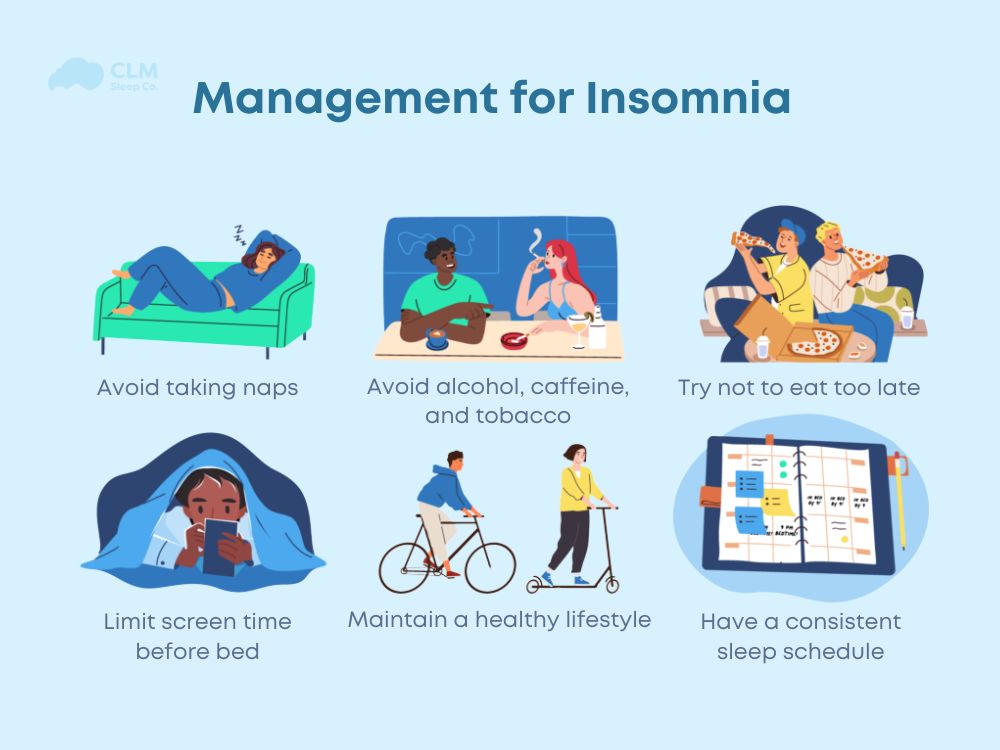
For individuals struggling with insomnia related to anemia or other factors, adopting good sleep hygiene practices can help promote better sleep. This includes maintaining a consistent sleep schedule, creating a relaxing bedtime routine, ensuring a comfortable sleep environment, and avoiding stimulants like caffeine close to bedtime.
Conclusion
Anemia and insomnia are complex health issues that can have overlapping symptoms and impacts on quality of life. By understanding the potential link between these conditions and seeking appropriate medical guidance, individuals can take steps towards improving their overall health and well-being. Prioritizing healthy lifestyle choices, adequate nutrition, regular exercise, and proper rest are key components in managing both anemia and insomnia effectively.
Understanding Anemia and Insomnia: Causes, Symptoms, and Treatment
- How do you treat insomnia from anemia?
- What are the five strange symptoms of anemia?
- What are the three stages of anemia?
- What are signs of severe anemia?
- Does anemia cause trouble sleeping?
- Can low iron cause anxiety and insomnia?
How do you treat insomnia from anemia?
Treating insomnia that stems from anemia involves addressing the underlying cause of the anemia while also implementing strategies to improve sleep quality. To effectively manage insomnia related to anemia, it is essential to first work with a healthcare provider to diagnose and treat the anemia itself. This may involve dietary changes to increase iron intake, iron supplementation as prescribed by a medical professional, or addressing any underlying health conditions contributing to the anemia. Additionally, adopting good sleep hygiene practices such as maintaining a consistent sleep schedule, creating a relaxing bedtime routine, and ensuring a comfortable sleep environment can help alleviate insomnia symptoms and promote better rest for individuals struggling with both conditions.
What are the five strange symptoms of anemia?
Anemia can manifest in various ways, and some symptoms may seem unusual or unexpected to individuals experiencing them. Five strange symptoms of anemia include pica (craving non-food items like ice, dirt, or paper), hair loss or thinning, restless leg syndrome (uncomfortable sensations in the legs that worsen at night), brittle or spoon-shaped nails, and a desire to eat ice. These symptoms may not immediately be associated with anemia but can serve as important indicators of underlying iron deficiency and the need for proper evaluation and treatment by a healthcare provider.
What are the three stages of anemia?
Anemia is a condition characterized by a lack of healthy red blood cells or hemoglobin in the blood, leading to reduced oxygen flow to tissues and organs. There are three main stages of anemia: mild, moderate, and severe. In the mild stage, individuals may experience fatigue, weakness, and pale skin but often do not exhibit severe symptoms. As anemia progresses to the moderate stage, symptoms like shortness of breath, dizziness, and increased heart rate may become more pronounced. In the severe stage of anemia, individuals may experience chest pain, palpitations, difficulty concentrating, and extreme fatigue. It is important to consult with a healthcare provider for proper diagnosis and treatment at any stage of anemia to prevent complications and improve overall health.
What are signs of severe anemia?
Signs of severe anemia can manifest in various ways, indicating a significant deficiency in red blood cells or hemoglobin levels. Common symptoms of severe anemia may include extreme fatigue, weakness, dizziness, pale skin, shortness of breath, rapid heartbeat (tachycardia), chest pain, headaches, and cold hands and feet. In severe cases, individuals may experience cognitive difficulties, such as confusion or memory problems, as well as brittle nails and hair loss. It is important to seek medical attention if you suspect you have severe anemia to receive proper diagnosis and treatment to address the underlying cause and improve your overall health.
Does anemia cause trouble sleeping?
Anemia can indeed cause trouble sleeping due to its impact on the body’s oxygen levels and overall health. The lack of healthy red blood cells or hemoglobin in the blood can lead to symptoms such as fatigue, weakness, and shortness of breath, which may disrupt normal sleep patterns and contribute to insomnia. Additionally, low iron levels associated with anemia have been linked to conditions like restless leg syndrome, which can cause discomfort in the legs and disrupt sleep. It is important for individuals experiencing trouble sleeping along with symptoms of anemia to consult with a healthcare provider for proper diagnosis and treatment to address both conditions effectively.
Can low iron cause anxiety and insomnia?
Low iron levels can indeed contribute to symptoms of anxiety and insomnia. Iron plays a crucial role in the production of neurotransmitters like serotonin, which regulate mood and sleep. When iron levels are low, neurotransmitter function may be affected, leading to increased feelings of anxiety and difficulty falling or staying asleep. Insufficient iron can also result in fatigue and restlessness, further exacerbating insomnia symptoms. Therefore, addressing low iron through dietary changes or supplementation may help alleviate anxiety and improve sleep quality for individuals experiencing these issues.