Understanding Transient Insomnia
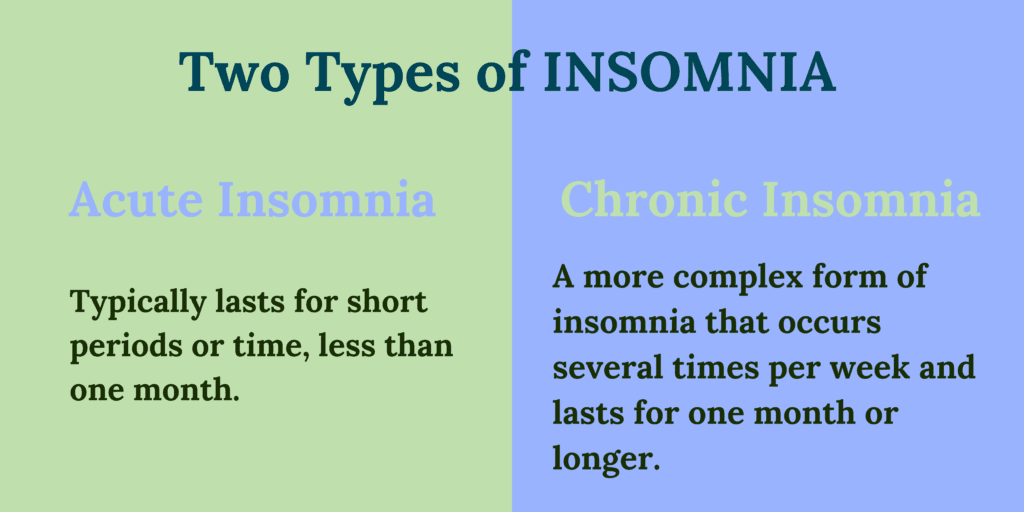
Transient insomnia is a common sleep disorder characterized by difficulty falling asleep or staying asleep for a short period of time. It is often triggered by stress, changes in environment, jet lag, or other temporary factors.
Many people experience transient insomnia at some point in their lives, and it usually resolves on its own without the need for medical intervention. However, if left untreated, it can impact your daily functioning and overall well-being.
Causes of Transient Insomnia
Transient insomnia can be caused by various factors, including:
- Stress: Emotional or psychological stress can disrupt your sleep patterns and make it difficult to fall asleep.
- Changes in routine: Traveling to different time zones, changing work shifts, or adjusting to a new schedule can disrupt your body’s internal clock.
- Poor sleep environment: Uncomfortable bedding, excessive noise, or bright lights in the bedroom can interfere with your ability to sleep.
- Caffeine and alcohol: Consuming stimulants like caffeine or alcohol close to bedtime can affect your ability to fall asleep and stay asleep.
Treatment and Management
If you are experiencing transient insomnia, there are several strategies you can try to improve your sleep quality:
- Sleep hygiene: Establish a regular sleep schedule, create a relaxing bedtime routine, and ensure your sleep environment is conducive to restful sleep.
- Avoid stimulants: Limit caffeine and alcohol intake close to bedtime to improve your chances of falling asleep faster.
- Manage stress: Practice relaxation techniques such as deep breathing exercises, meditation, or yoga to reduce stress levels before bedtime.
- Cognitive-behavioral therapy: Consider therapy sessions that focus on changing negative thought patterns and behaviors that may be contributing to your insomnia.
When to Seek Help
If transient insomnia persists for more than a few weeks despite trying self-care strategies, it is important to consult a healthcare professional. They can help identify any underlying issues contributing to your sleep disturbances and recommend appropriate treatment options.
Remember that adequate sleep is essential for overall health and well-being. By understanding transient insomnia and taking steps to address it early on, you can improve your quality of life and enjoy restful nights of rejuvenating sleep.
6 Effective Tips to Overcome Transient Insomnia
- Establish a bedtime routine to signal your body that it’s time to sleep.
- Avoid stimulants like caffeine and nicotine close to bedtime.
- Create a comfortable sleep environment that is dark, quiet, and cool.
- Limit exposure to screens (phones, computers) before bed as the blue light can disrupt sleep.
- Try relaxation techniques such as deep breathing or meditation to calm your mind before sleep.
- Consider talking to a healthcare professional if insomnia persists for more than a few weeks.
Establish a bedtime routine to signal your body that it’s time to sleep.
Establishing a bedtime routine is a helpful tip to manage transient insomnia. By creating a consistent series of calming activities before bed, such as reading a book, taking a warm bath, or practicing relaxation techniques, you can signal to your body that it’s time to wind down and prepare for sleep. This routine can help regulate your body’s internal clock and promote relaxation, making it easier to fall asleep and stay asleep throughout the night. Consistency is key in reinforcing this signal to your body and improving your overall sleep quality.
Avoid stimulants like caffeine and nicotine close to bedtime.
To improve your sleep quality and reduce the likelihood of experiencing transient insomnia, it is advisable to avoid stimulants such as caffeine and nicotine close to bedtime. These substances can disrupt your body’s natural sleep-wake cycle, making it harder to fall asleep and stay asleep. By limiting your intake of stimulants in the hours leading up to bedtime, you can create a more conducive environment for restful sleep and help prevent temporary sleep disturbances.
Create a comfortable sleep environment that is dark, quiet, and cool.
Creating a comfortable sleep environment that is dark, quiet, and cool can significantly improve your chances of falling asleep and staying asleep. A dark room helps signal to your body that it’s time to rest, while minimizing external light sources can prevent disruptions to your sleep cycle. Additionally, a quiet environment reduces disturbances that may wake you up during the night. Keeping the room cool can also promote better sleep by helping regulate your body temperature for optimal rest. By prioritizing these factors in your sleep environment, you can create an ideal setting for achieving a restful and rejuvenating night’s sleep.
Limit exposure to screens (phones, computers) before bed as the blue light can disrupt sleep.
Limiting exposure to screens, such as phones and computers, before bed is a crucial tip for managing transient insomnia. The blue light emitted by electronic devices can interfere with the production of melatonin, a hormone that regulates sleep-wake cycles. By reducing screen time before bedtime, individuals can promote better sleep quality and improve their ability to fall asleep easily. Creating a screen-free wind-down routine can help signal to the body that it’s time to relax and prepare for rest, ultimately supporting a more restful night’s sleep.
Try relaxation techniques such as deep breathing or meditation to calm your mind before sleep.
To address transient insomnia, consider incorporating relaxation techniques like deep breathing or meditation into your bedtime routine. These practices can help calm your mind and reduce stress, making it easier to transition into a restful sleep. By focusing on your breath or engaging in mindfulness exercises, you can create a sense of calm and relaxation that prepares your body for a peaceful night’s rest. Experiment with different relaxation methods to find what works best for you and make it a consistent part of your pre-sleep ritual to improve your overall sleep quality.
Consider talking to a healthcare professional if insomnia persists for more than a few weeks.
It is essential to consider seeking guidance from a healthcare professional if transient insomnia persists for more than a few weeks. Prolonged sleep disturbances can have a significant impact on your overall well-being and daily functioning. A healthcare provider can conduct a thorough evaluation to identify any underlying causes of insomnia and recommend appropriate treatment options tailored to your specific needs. Seeking timely medical advice can help address the root cause of your sleep difficulties and improve your chances of achieving restful and rejuvenating sleep.