Melatonin and Ashwagandha: A Powerful Combination for Sleep and Stress Relief
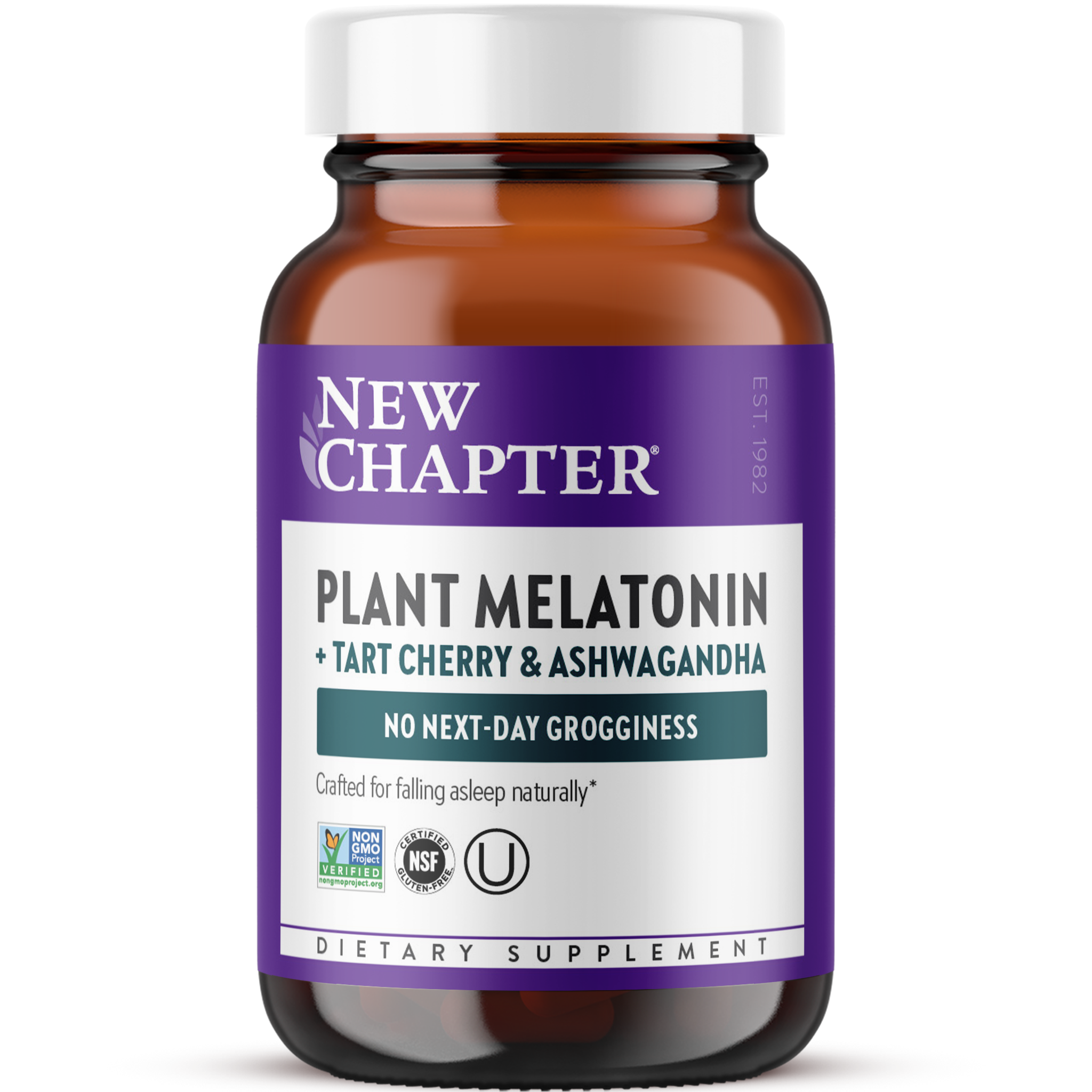
Melatonin and Ashwagandha are two natural supplements that have gained popularity for their potential benefits in promoting better sleep and managing stress. Let’s explore how these two substances work and how they can be used together to support overall well-being.
Melatonin
Melatonin is a hormone produced by the pineal gland in the brain that regulates the sleep-wake cycle. It plays a crucial role in signaling to the body when it’s time to sleep and when it’s time to wake up. Melatonin levels typically rise in the evening as it gets darker, helping us feel sleepy, and decrease in the morning as we wake up.
Supplementing with melatonin can be beneficial for individuals who struggle with falling asleep or maintaining a regular sleep schedule. It is commonly used to alleviate symptoms of jet lag, shift work disorder, or insomnia.
Ashwagandha
Ashwagandha is an adaptogenic herb that has been used in traditional Ayurvedic medicine for centuries. It is known for its ability to help the body adapt to stress and promote overall balance and well-being. Ashwagandha is believed to reduce cortisol levels, which are elevated during times of stress, helping to calm the mind and body.
Studies suggest that ashwagandha may also have a positive impact on sleep quality by reducing anxiety and promoting relaxation. By supporting the body’s stress response, ashwagandha may indirectly improve sleep patterns and help individuals achieve a more restful night’s sleep.
The Synergistic Effects of Melatonin and Ashwagandha
When used together, melatonin and ashwagandha can complement each other’s effects, creating a synergistic relationship that promotes better sleep quality and stress relief. Melatonin helps regulate the sleep-wake cycle, making it easier to fall asleep, while ashwagandha works on reducing stress levels that may interfere with restful sleep.
Combining melatonin with ashwagandha may be particularly beneficial for individuals who experience both sleep disturbances and high levels of stress or anxiety. By addressing both aspects simultaneously, this combination can help promote a more balanced state of mind and body.
Consultation with Healthcare Provider
Before incorporating melatonin or ashwagandha into your routine, it’s important to consult with a healthcare provider, especially if you have any underlying health conditions or are taking medications. They can provide guidance on proper dosages, potential interactions, and personalized recommendations based on your individual needs.
In conclusion, melatonin and ashwagandha are natural supplements that offer promising benefits for improving sleep quality and managing stress. By understanding how these substances work individually and together, you can make informed decisions about incorporating them into your wellness routine to support your overall health and well-being.
Top 8 FAQs About Melatonin and Ashwagandha: Sleep, Safety, and Interactions
- Why can’t I sleep after taking ashwagandha?
- What should you never mix with ashwagandha?
- Can you take melatonin with ashwagandha?
- Can ashwagandha reduce CRP?
- Can ashwagandha help with sleep?
- Can ashwagandha and magnesium help you sleep?
- What is the difference between melatonin and ashwagandha?
- Are ashwagandha and melatonin safe to take together?
Why can’t I sleep after taking ashwagandha?
It is not uncommon for some individuals to experience difficulty sleeping after taking ashwagandha, despite its reputation for promoting relaxation and stress relief. Ashwagandha’s adaptogenic properties can have varying effects on different people, and in some cases, it may energize rather than sedate. This stimulating effect of ashwagandha can interfere with the body’s ability to wind down and fall asleep easily. If you find that ashwagandha is disrupting your sleep, it may be helpful to adjust the timing of your supplementation or consider incorporating other sleep-promoting strategies into your routine. Consulting with a healthcare provider can also provide valuable insights and guidance on how to optimize the benefits of ashwagandha while ensuring a restful night’s sleep.
What should you never mix with ashwagandha?
When considering the use of ashwagandha, it is important to be mindful of potential interactions with certain medications or substances. One should never mix ashwagandha with sedatives or central nervous system depressants, as it may enhance their effects and lead to excessive drowsiness or sedation. Combining ashwagandha with these substances can increase the risk of side effects and may impact cognitive function and motor skills. It is advisable to consult a healthcare provider before combining ashwagandha with any medications or supplements to ensure safe and effective use.
Can you take melatonin with ashwagandha?
Yes, you can take melatonin with ashwagandha. Both melatonin and ashwagandha are natural supplements that are commonly used to promote better sleep and manage stress. When taken together, these two substances can complement each other’s effects, potentially enhancing their individual benefits. Melatonin helps regulate the sleep-wake cycle, making it easier to fall asleep, while ashwagandha works on reducing stress levels that may interfere with restful sleep. However, it is always recommended to consult with a healthcare provider before combining any supplements to ensure they are safe for you and do not interact negatively with any medications or underlying health conditions you may have.
Can ashwagandha reduce CRP?
Research suggests that ashwagandha, an adaptogenic herb known for its stress-relieving properties, may have the potential to reduce C-reactive protein (CRP) levels in the body. CRP is a marker of inflammation, and elevated levels are associated with various health conditions. Studies have shown that ashwagandha’s anti-inflammatory properties may help lower CRP levels, thereby reducing overall inflammation in the body. However, it is essential to consult with a healthcare provider before using ashwagandha specifically for this purpose to determine the appropriate dosage and ensure it aligns with your individual health needs and conditions.
Can ashwagandha help with sleep?
Ashwagandha, an adaptogenic herb known for its stress-relieving properties, may indeed help improve sleep quality. By reducing cortisol levels and promoting relaxation, ashwagandha can create a calming effect on the mind and body, potentially leading to better sleep patterns. Studies suggest that ashwagandha’s ability to alleviate anxiety and support the body’s stress response may indirectly contribute to a more restful night’s sleep. Incorporating ashwagandha into your wellness routine could be a natural way to address sleep disturbances and promote overall well-being.
Can ashwagandha and magnesium help you sleep?
Ashwagandha and magnesium are two supplements that are commonly used to promote better sleep and relaxation. Ashwagandha, known for its adaptogenic properties, helps the body manage stress and anxiety, which can contribute to improved sleep quality. Magnesium plays a role in regulating neurotransmitters involved in the sleep-wake cycle and muscle relaxation, making it beneficial for promoting restful sleep. When taken together, ashwagandha and magnesium may complement each other’s effects, providing a holistic approach to addressing sleep issues. However, individual responses to supplements can vary, so it’s advisable to consult with a healthcare provider before incorporating ashwagandha and magnesium into your sleep routine to ensure they are safe and appropriate for your specific needs.
What is the difference between melatonin and ashwagandha?
Melatonin and Ashwagandha are two distinct natural supplements that serve different purposes in promoting overall well-being. Melatonin is a hormone produced by the body to regulate the sleep-wake cycle, helping signal when it’s time to sleep. On the other hand, Ashwagandha is an adaptogenic herb known for its stress-relieving properties and ability to promote balance in the body. While melatonin primarily focuses on improving sleep quality and managing sleep-related issues, ashwagandha targets stress reduction and overall relaxation. Each supplement offers unique benefits, with melatonin aiding in sleep regulation and ashwagandha supporting stress management, making them complementary options for individuals seeking better sleep and stress relief.
Are ashwagandha and melatonin safe to take together?
When considering taking ashwagandha and melatonin together, it is important to consult with a healthcare provider to ensure the safety and appropriateness of combining these supplements. While both ashwagandha and melatonin are generally considered safe for most people when taken individually, there may be potential interactions or contraindications when used together, especially in certain populations or with specific health conditions. A healthcare provider can provide personalized guidance on dosage, timing, and any potential risks associated with combining ashwagandha and melatonin to help you make informed decisions about your supplement regimen.