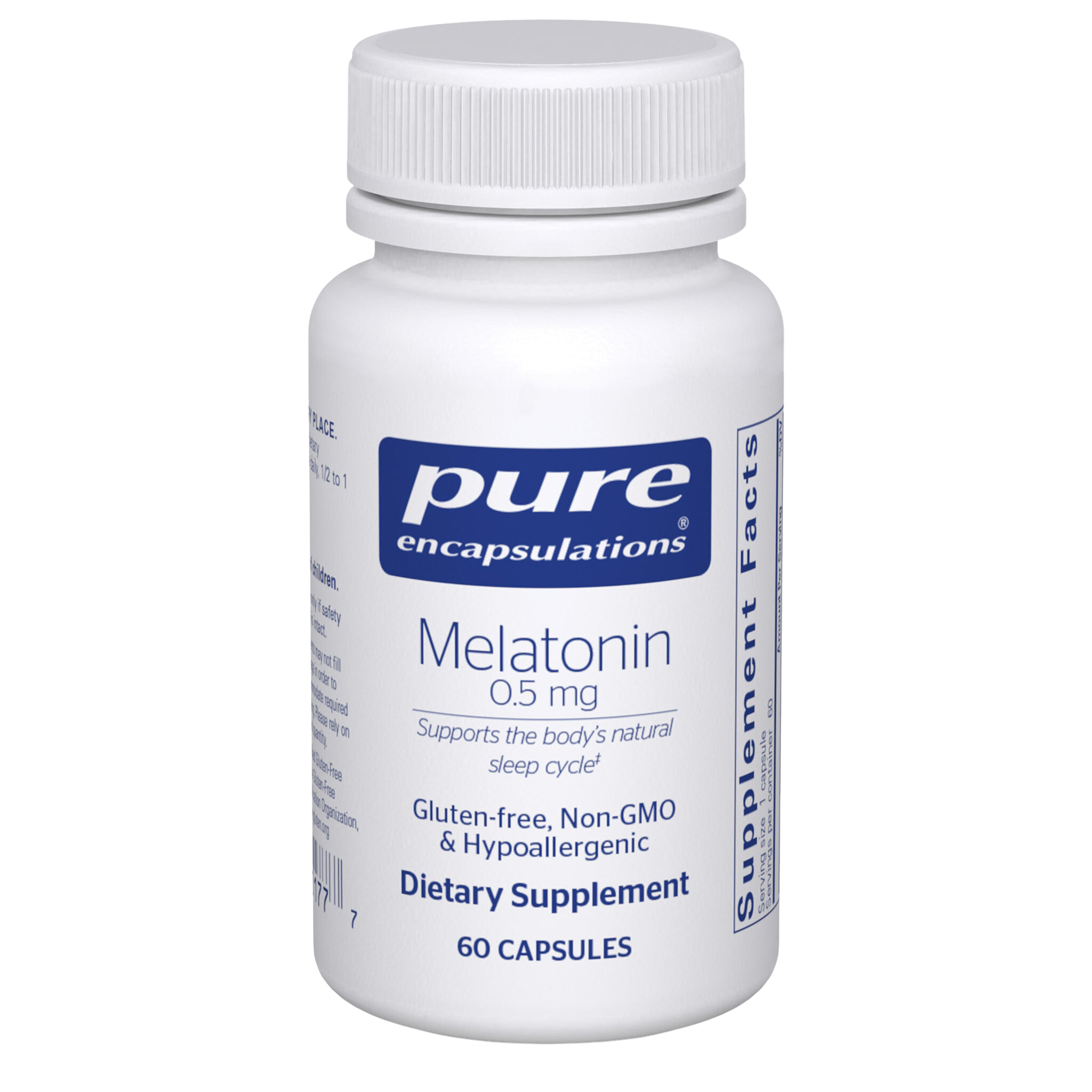
High-Quality Melatonin: What to Look for Before You Buy
Melatonin is a hormone your body naturally produces in response to darkness. It helps regulate your sleep-wake cycle, also known as your circadian rhythm. Melatonin supplements are often used to support sleep timing, such as when adjusting to a new schedule or traveling across time zones. If you are considering a supplement, choosing a high-quality product—and using it thoughtfully—matters.
What Does “High Quality” Mean?
In the United States, dietary supplements are not approved by the Food and Drug Administration (FDA) for safety and effectiveness before they go on the market. That makes it important to look beyond marketing language such as “premium” or “natural.” A reliable melatonin product should offer clear information about its ingredients, serving size, manufacturer, and quality controls.
- Independent testing: Look for verification from a recognized third-party organization, such as USP, NSF, or ConsumerLab. These programs may assess whether a product contains the ingredients and amounts listed and check for certain contaminants. A seal does not guarantee that a supplement is right for everyone.
- Transparent labeling: The label should state the amount of melatonin per serving and list other active ingredients. Be cautious of proprietary blends that make it difficult to determine how much of each ingredient is included.
- Good manufacturing practices: Choose a product from a manufacturer that describes its quality and testing procedures. A current lot number and expiration date are also useful signs of responsible labeling.
- Simple ingredients: If you have allergies or sensitivities, check the full ingredient list, including flavorings, sweeteners, dyes, and capsule materials.
- Appropriate packaging: Melatonin should be stored according to the label and kept out of reach of children. Gummies can look like candy, so secure storage is especially important.
Choosing a Dose and Form
Melatonin comes in tablets, capsules, liquids, and gummies, as well as immediate-release and extended-release formulations. The best form depends on the reason for use, individual circumstances, and advice from a health professional. More is not necessarily better: higher amounts may increase the chance of unwanted effects without providing additional benefit.
Because supplement labels and individual needs vary, speak with a doctor or pharmacist about whether melatonin is appropriate and what amount and timing to consider. This is particularly important for children and teenagers, who should not be given melatonin without guidance from a health professional.
Using Melatonin Safely
Melatonin may cause side effects such as sleepiness, dizziness, headache, or nausea. It can also affect alertness, so avoid driving or operating machinery if you feel drowsy. Alcohol and other substances or medicines that cause sleepiness may increase impairment.
Ask a health professional before using melatonin if you are pregnant or breastfeeding, have a medical condition, or take prescription or over-the-counter medicines. Melatonin may interact with some medications, including certain blood thinners, seizure medicines, and drugs that affect the immune system. A pharmacist can help review possible interactions.
Melatonin Is Not a Substitute for Healthy Sleep Habits
Good sleep depends on more than a supplement. A regular sleep and wake schedule, a relaxing bedtime routine, a dark and quiet bedroom, and limiting bright light late in the evening can support healthy sleep. If sleep problems are persistent, severe, or affecting daily life, talk with a health professional to look for an underlying cause rather than relying on melatonin alone.
The Bottom Line
High-quality melatonin starts with a clearly labeled product from a responsible manufacturer and, when available, credible independent testing. Use it only after considering your health, medications, and sleep needs, and seek professional guidance about dose and timing. A supplement may be one part of a sleep plan, but it is not a guaranteed solution for insomnia or other sleep disorders.
This article is for general informational purposes and is not a substitute for medical advice, diagnosis, or treatment.
Your Guide to High-Quality Melatonin: Top 5 FAQs Answered
- How can I tell if a melatonin supplement is high quality?
- Which third-party certifications should I look for when buying melatonin?
- Is a higher dose of melatonin more effective?
- What form of melatonin is best for sleep?
- Is melatonin safe to take every night?
How can I tell if a melatonin supplement is high quality?
To assess a melatonin supplement’s quality, check that the label clearly lists the amount of melatonin per serving, all other ingredients, and the manufacturer’s contact information. Look for independent testing or certification from organizations such as USP or NSF, which can help verify product contents and quality standards, while remembering that certification does not guarantee the supplement is safe or suitable for everyone. Be cautious of vague claims, undisclosed blends, or products promising guaranteed results, and ask a doctor or pharmacist whether melatonin is appropriate for you—especially if you take medications or are choosing it for a child.
Which third-party certifications should I look for when buying melatonin?
Look for independent quality seals such as USP Verified or NSF, which indicate that a product has been tested for ingredients, strength, and certain contaminants; ConsumerLab also publishes independent testing results for supplements. These programs differ, so check what each one verifies, and remember that a seal does not prove melatonin is effective or appropriate for you. In the U.S., supplements are not FDA-approved for safety and effectiveness before sale.
Is a higher dose of melatonin more effective?
A higher dose of melatonin isn’t necessarily more effective. The amount that works best can vary, and taking more than needed may increase side effects such as daytime sleepiness, dizziness, or headache. Ask a doctor or pharmacist whether melatonin is appropriate for you and what dose and timing to consider, especially if you take other medications or are considering it for a child.
What form of melatonin is best for sleep?
The best form of melatonin depends on your sleep concern. Immediate-release tablets or liquids are often used to help with sleep timing or falling asleep, while extended-release products are designed to release melatonin gradually through the night. Neither form is best for everyone, and higher doses aren’t necessarily more effective. Ask a doctor or pharmacist which option, dose, and timing may be appropriate for you—especially if you take medications, have a health condition, or are considering melatonin for a child.
Is melatonin safe to take every night?
For many adults, melatonin appears to be generally safe for short-term use, but its safety and effectiveness when taken every night over the long term are not well established. It can cause side effects such as daytime drowsiness, dizziness, or headache, and may interact with medications. Talk with a healthcare professional before using it regularly—especially if you take medication, are pregnant or breastfeeding, or are considering it for a child. Persistent sleep problems may also need evaluation rather than ongoing self-treatment.