The Best Melatonin: How to Choose the Right Supplement
The best melatonin is not necessarily the strongest or most expensive one. It is a product that suits your needs, uses a clearly stated dose, and comes from a manufacturer with reliable quality controls. Because supplements can vary and melatonin is not right for everyone, it helps to understand what the evidence says before choosing one.
What melatonin can—and can’t—do
Melatonin is a hormone that helps regulate the body’s sleep-wake timing. As a supplement, it may be useful for some people with jet lag, shift-work schedules, or sleep timing that has drifted later than desired. It may also help some people fall asleep sooner.
Melatonin is not a general-purpose sleeping pill, and it does not address every cause of poor sleep. It may be less helpful for waking frequently during the night or for insomnia driven by pain, stress, sleep apnea, medication, or another health condition.
How to choose a melatonin supplement
- Look for a clearly labeled dose. Choose a product that states how much melatonin is in each serving. More is not automatically better.
- Consider a simple formulation. A single-ingredient product makes it easier to know what you are taking. “Sleep” blends may contain other ingredients that can cause side effects or interact with medications.
- Check for independent quality testing. In the U.S., supplements are not approved by the FDA for safety and effectiveness before they are sold. Seals from organizations such as USP or NSF can indicate that a product has been tested for quality, although they do not prove that it works or is suitable for you.
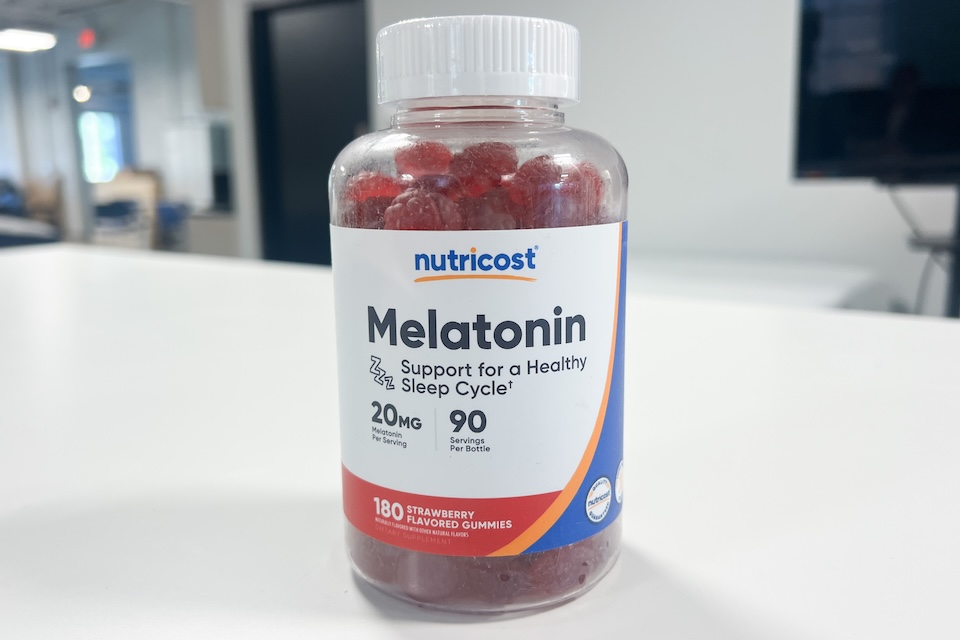
- Choose a form you can use consistently. Tablets, capsules, liquids, and gummies are available. Gummies may be convenient, but check the serving size and keep them securely away from children.
- Be cautious with high-dose products. Some products contain much more melatonin than a person may need. Ask a health professional about an appropriate amount, especially if you plan to use it regularly.
Immediate-release or extended-release?
Immediate-release melatonin is designed to act over a shorter period and may be considered when the goal is to adjust sleep timing or fall asleep. Extended-release products release melatonin over a longer period and are marketed for staying asleep. Evidence and individual results vary, so the right type depends on the reason for taking it and your health circumstances.
When and how to take it
Timing matters. Taking melatonin at the wrong time may not help and can shift the body clock in an unwanted direction. For occasional sleep-timing concerns, follow the product label and advice from a clinician or pharmacist. Avoid taking extra doses if the first dose does not seem to work, and do not combine melatonin with alcohol or other sedating substances without medical guidance.
Melatonin may cause sleepiness, dizziness, headache, or nausea. Do not drive or operate machinery if you feel drowsy. If you use prescription medicines or have a medical condition, ask a health professional before starting it; melatonin can interact with some medicines, including drugs that affect blood clotting, seizures, blood pressure, or the immune system.
Who should get medical advice first?
Talk with a health professional before using melatonin if you are pregnant or breastfeeding, take regular medication, have a chronic health condition, or are considering it for a child. Children’s sleep problems should be discussed with a pediatrician rather than treated with an adult supplement or dose.
When to seek help for sleep problems
If sleep problems occur regularly, last for several weeks, or affect daily life, seek medical advice instead of relying on supplements alone. Persistent insomnia may respond to cognitive behavioral therapy for insomnia (CBT-I), and symptoms such as loud snoring, gasping during sleep, or severe daytime sleepiness warrant evaluation.
The bottom line
The best melatonin is a clearly labeled, quality-tested product used for an appropriate reason—not simply the one with the highest dose or the strongest marketing claims. Check with a health professional or pharmacist if you are unsure whether melatonin is appropriate, how to time it, or whether it could interact with your medications.
This article is for general informational purposes and is not a substitute for professional medical advice.
9 Essential Tips for Choosing and Using Melatonin Safely and Effectively
- Choose a product with independent quality testing, such as USP or NSF verification.
- Start with the lowest effective dose; more is not always better.
- Take it about 1–2 hours before bedtime, unless your clinician advises otherwise.
- Pick immediate-release for falling asleep or extended-release for staying asleep.
- Check the label for clear dosing and minimal unnecessary additives.
- Avoid combining melatonin with alcohol or other sedating medicines without medical advice.
- Ask a clinician before use if pregnant, breastfeeding, taking medicines, or managing a health condition.
- Keep melatonin locked away from children; accidental ingestion can be dangerous.
- Talk with a clinician if sleep problems persist or you need melatonin regularly.
Choose a product with independent quality testing, such as USP or NSF verification.
When choosing melatonin, look for a product that has been independently tested for quality, such as one verified by USP or NSF. These programs can help confirm that a supplement contains the ingredients and amounts listed on its label and meets certain quality standards. Their verification does not guarantee that melatonin will work for you or that it is appropriate for your needs, but it can offer added confidence in the product’s quality.
Start with the lowest effective dose; more is not always better.
When choosing the best melatonin, start with the lowest dose that may help, and follow the product label or a health professional’s advice. Taking more isn’t necessarily more effective and may increase the chance of side effects, such as morning grogginess, dizziness, or headache. If a low dose doesn’t help, don’t keep increasing it without checking with a clinician or pharmacist.
Take it about 1–2 hours before bedtime, unless your clinician advises otherwise.
Take melatonin about 1–2 hours before your planned bedtime, unless your clinician advises otherwise. Timing can affect how well it works, and the right schedule may vary depending on why you’re taking it. Follow the product label, don’t take extra if it doesn’t seem to help, and ask a health professional if you’re unsure when to take it.
Pick immediate-release for falling asleep or extended-release for staying asleep.
Choose an immediate-release melatonin product if your main goal is to fall asleep, or consider an extended-release product if you’re trying to stay asleep through the night. These formulations release melatonin differently, but results can vary, and melatonin may not address the underlying cause of sleep problems. Ask a health professional or pharmacist which option, if any, is appropriate for you.
Check the label for clear dosing and minimal unnecessary additives.
When choosing melatonin, check that the label clearly states the amount per serving and how many servings to take. A straightforward formula with few unnecessary additives can make it easier to know what you’re taking and avoid ingredients you may not need or tolerate. Supplements can vary in quality, so consider products that have been independently tested, and ask a health professional or pharmacist if you’re unsure which option is right for you.
Avoid combining melatonin with alcohol or other sedating medicines without medical advice.
Avoid combining melatonin with alcohol or other medicines that cause drowsiness unless a healthcare professional says it’s safe. These substances can intensify sleepiness, dizziness, and impaired coordination, and may make it harder to wake or respond normally. Check with a doctor or pharmacist before combining them, especially if you take prescription medication or have a health condition.
Ask a clinician before use if pregnant, breastfeeding, taking medicines, or managing a health condition.
Before using melatonin, ask a clinician or pharmacist for guidance if you’re pregnant or breastfeeding, take any medications, or are managing a health condition. Melatonin may not be appropriate for everyone and can interact with some medicines, so a health professional can help you weigh the risks and decide whether it’s a suitable option for you.
Keep melatonin locked away from children; accidental ingestion can be dangerous.
Keep melatonin locked away and out of children’s reach, just as you would any medication. Gummies and chewable supplements can look like candy, and accidental ingestion may cause harmful effects. Store them in their original, child-resistant container, and contact Poison Control or seek urgent medical help if a child may have taken melatonin.
Talk with a clinician if sleep problems persist or you need melatonin regularly.
If sleep problems persist or you find yourself needing melatonin regularly, talk with a clinician. Ongoing sleep difficulties may have an underlying cause, and a clinician can help determine whether melatonin is appropriate, review possible medication interactions, and discuss other treatments that may better address your needs.