Melatonin in Milk: What You Should Know
Milk is sometimes described as a natural source of melatonin, the hormone involved in regulating the body’s sleep-wake cycle. That description has some basis: melatonin has been detected in milk, and its levels can vary. But drinking milk is not a proven substitute for a consistent bedtime routine or medical care for ongoing sleep problems.
What Is Melatonin?
Melatonin is a hormone produced mainly by the brain in response to darkness. It helps signal that it is nighttime, but it does not work like a strong sleeping pill. Light exposure, daily routines, age, and individual biology can all affect the body’s melatonin rhythm.
How Does Melatonin Get Into Milk?
Melatonin occurs naturally in animal milk, including cow’s milk. Research suggests that levels can vary with factors such as the time of milking and the animal’s exposure to light and darkness. Milk collected at night is sometimes marketed as “night milk” because it may contain more melatonin than milk collected during the day.
The amount can vary, however, and a glass of ordinary milk does not provide a standardized or predictable melatonin dose. The presence of melatonin in milk does not necessarily mean that drinking it will noticeably change a person’s sleep.
Can Milk Help You Sleep?
Some people find that a warm drink before bed helps them relax. The comfort and familiarity of the routine may be part of the benefit. Milk also contains tryptophan, an amino acid the body uses to make substances involved in sleep regulation. However, the amount in a serving of milk is not known to reliably produce a sedative effect.
Studies of milk and sleep have reported mixed results, and research on night milk is still limited. It is not yet clear whether any potential benefit comes from melatonin in the milk, other nutrients, the bedtime ritual, or a combination of factors. Milk may be a pleasant part of an evening routine, but it should not be expected to treat insomnia on its own.
Milk Compared With Melatonin Supplements
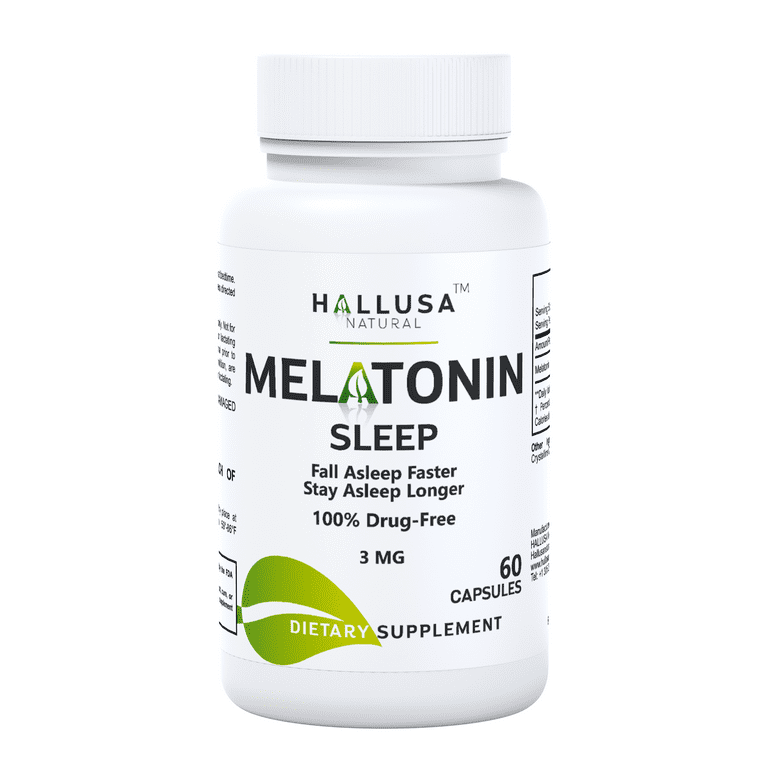
Milk and melatonin supplements are not interchangeable. Supplements typically contain a measured amount of melatonin, while the amount in milk varies and is generally not stated on the label. Supplement use can also have side effects or interact with medications, so it is wise to discuss regular use with a health care professional—especially for children, during pregnancy, or when taking prescription medicines.
Practical Tips for Better Sleep
- Keep a regular bedtime and wake-up time, including on weekends.
- Reduce bright light and screen use before bed.
- Keep the bedroom quiet, dark, and comfortable.
- Limit late-day caffeine and avoid relying on alcohol to fall asleep.
- If milk causes digestive symptoms or an allergic reaction, choose a suitable alternative.
For infants under 12 months, cow’s milk should not replace breast milk or infant formula as the main drink. Do not give a child melatonin or use milk as a sleep treatment without guidance from a pediatric health care professional.
The Bottom Line
Milk can contain naturally occurring melatonin, and nighttime milk may contain more than daytime milk. Still, the amount varies, and current evidence does not establish that drinking milk reliably improves sleep. If it feels soothing and agrees with your body, milk can be part of a relaxing routine—but persistent sleep difficulties are worth discussing with a health care professional.
Melatonin in Milk: 9 Frequently Asked Questions About Sleep Benefits and Safety
- Does milk naturally contain melatonin?
- Does milk from cows milked at night contain more melatonin?
- Can drinking milk help you fall asleep?
- How much melatonin is in a glass of milk?
- Is melatonin in milk enough to improve sleep?
- Is warm milk better for sleep than cold milk?
- Can children drink milk for its melatonin content?
- Is melatonin-enriched or night milk safe to drink?
- How does melatonin in milk compare with melatonin supplements?
Does milk naturally contain melatonin?
Yes, milk naturally contains small amounts of melatonin, a hormone that helps regulate the sleep-wake cycle. Levels can vary depending on factors such as when the milk was collected, and milk produced at night may contain more than milk collected during the day. However, the amount in a glass of milk is variable and isn’t considered a reliable or standardized dose for improving sleep.
Does milk from cows milked at night contain more melatonin?
Yes, milk from cows milked at night may contain more melatonin than milk collected during the day. Melatonin levels naturally rise in response to darkness, and research has found higher levels in some nighttime milk samples. The amount can vary, though, and drinking night milk is not guaranteed to improve sleep or provide a consistent melatonin dose.
Can drinking milk help you fall asleep?
Drinking milk may help you feel relaxed as part of a calming bedtime routine, but it is not proven to make you fall asleep. Milk contains small, variable amounts of melatonin and tryptophan, and research has not shown that a glass reliably improves sleep. If you enjoy milk and it agrees with you, having some before bed is fine; for ongoing sleep problems, consider speaking with a health care professional.
How much melatonin is in a glass of milk?
There’s no fixed amount of melatonin in a glass of milk. Levels can vary depending on factors such as when the milk was collected, and regular milk labels generally don’t list melatonin content. Milk collected at night may contain more, but the amount is not standardized, so a glass of milk shouldn’t be treated as a predictable melatonin dose or a proven sleep aid.
Is melatonin in milk enough to improve sleep?
Milk contains naturally occurring melatonin, but the amount varies and is generally not standardized, so a glass of milk is unlikely to provide a predictable dose or reliably improve sleep. Some people may find a warm glass soothing as part of a relaxing bedtime routine, but research has not established milk as a treatment for sleep problems. If trouble sleeping persists, consider speaking with a health care professional.
Is warm milk better for sleep than cold milk?
There’s no strong evidence that warm milk helps you sleep better than cold milk. The temperature may come down to personal preference: a warm drink can feel soothing and become part of a relaxing bedtime routine, while cold milk may be just as enjoyable. Milk contains naturally occurring melatonin, but the amount varies and isn’t known to reliably improve sleep. Choose the temperature you prefer, and focus on consistent sleep habits for better rest.
Can children drink milk for its melatonin content?
Children can drink age-appropriate milk as part of a balanced diet, but they shouldn’t rely on it for melatonin or better sleep. Melatonin levels in milk vary, and there’s no strong evidence that drinking milk reliably improves children’s sleep. Infants under 12 months should not have cow’s milk as their main drink; use breast milk or infant formula as recommended. If a child has ongoing sleep difficulties, ask a pediatrician rather than giving melatonin supplements.
Is melatonin-enriched or night milk safe to drink?
Melatonin-enriched or “night” milk is generally considered safe for most healthy adults when consumed as a food, but its melatonin content can vary, and research on its effects and long-term use is limited. Check the product label for added ingredients, follow the manufacturer’s directions, and ask a health care professional before using it regularly if you take medications, are pregnant or breastfeeding, or have a health condition. For children—especially infants—consult a pediatrician before offering it as a sleep aid; it should not replace breast milk or infant formula.
How does melatonin in milk compare with melatonin supplements?
Melatonin in milk is naturally present in small, variable amounts, and the level may differ depending on when the milk was collected. Melatonin supplements, by contrast, provide a labeled dose, though the actual content and quality can vary by product. Because milk’s melatonin content is not standardized, it is not a reliable substitute for a supplement—and neither should be used regularly, especially for children or alongside medications, without guidance from a health care professional.