The Connection Between Melatonin and Fertility
When it comes to fertility, many factors play a crucial role in the process of conception. One such factor that is gaining attention in recent years is melatonin, often referred to as the “sleep hormone.” Melatonin is a hormone produced by the pineal gland in the brain and is known for its role in regulating sleep-wake cycles.
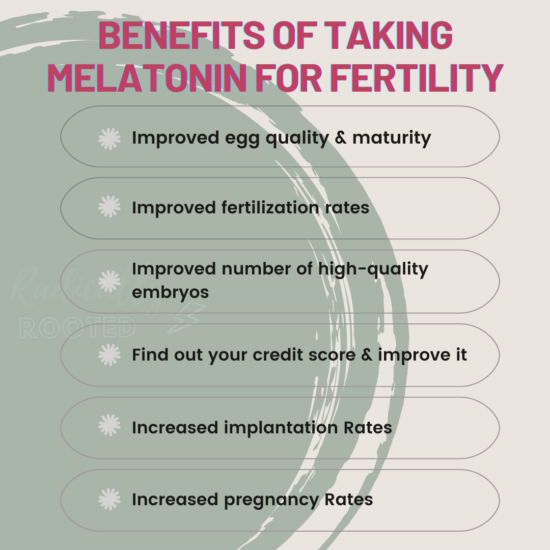
However, research has shown that melatonin may also have an impact on fertility. Studies suggest that melatonin plays a role in the reproductive system by influencing ovarian function, oocyte quality, and embryo development.
One of the key ways in which melatonin affects fertility is through its antioxidant properties. Melatonin acts as a powerful antioxidant, helping to protect cells from oxidative stress and damage caused by free radicals. In the context of fertility, this can be particularly important for both male and female reproductive health.
In women, melatonin has been found to have potential benefits for ovarian function. It may help regulate the menstrual cycle, improve egg quality, and support overall reproductive health. Additionally, melatonin’s antioxidant properties can help protect eggs from oxidative damage, potentially enhancing their viability for fertilization.
For men, melatonin may also play a role in supporting sperm health. Oxidative stress can negatively impact sperm quality and motility, leading to issues with male fertility. By reducing oxidative stress through its antioxidant effects, melatonin may help improve sperm function and increase the chances of successful fertilization.
It’s important to note that while melatonin shows promise in supporting fertility outcomes, more research is needed to fully understand its mechanisms and potential benefits in this context. If you are considering using melatonin supplements to support your fertility journey, it’s essential to consult with a healthcare provider or fertility specialist to ensure it is safe and appropriate for your individual situation.
In conclusion, melatonin’s role in fertility is an intriguing area of study that highlights the interconnectedness of our biological processes. By exploring how hormones like melatonin impact reproductive health, we may uncover new insights into enhancing fertility outcomes and supporting individuals on their path to parenthood.
9 Benefits of Melatonin for Enhancing Fertility and Reproductive Health
- Melatonin may help regulate the menstrual cycle in women.
- Melatonin could improve egg quality in women trying to conceive.
- Melatonin has antioxidant properties that can protect eggs from oxidative damage.
- Melatonin’s antioxidant effects may enhance sperm function in men.
- It may support overall reproductive health in both men and women.
- Melatonin might help with embryo development during conception.
- It could potentially increase the chances of successful fertilization.
- Melatonin shows promise in improving oocyte quality for fertility treatments.
- It plays a role in influencing ovarian function, which is crucial for fertility.
Considerations on Melatonin and Fertility: Limited Research, Potential Side Effects, and Medication Interactions
Melatonin may help regulate the menstrual cycle in women.
Research suggests that melatonin may offer a valuable benefit for women’s reproductive health by potentially aiding in the regulation of the menstrual cycle. By influencing the body’s internal clock and hormonal balance, melatonin could play a role in promoting regularity in the menstrual cycle. This effect may not only contribute to overall gynecological well-being but also have implications for fertility by ensuring optimal timing and conditions for conception. Further exploration of melatonin’s impact on menstrual regulation could provide valuable insights into enhancing women’s reproductive health and fertility outcomes.
Melatonin could improve egg quality in women trying to conceive.
Research suggests that melatonin could be a valuable asset for women trying to conceive by potentially enhancing egg quality. As a powerful antioxidant, melatonin may help protect eggs from oxidative stress and damage, ultimately improving their viability for fertilization. By supporting ovarian function and regulating the menstrual cycle, melatonin shows promise in optimizing reproductive health and increasing the chances of successful conception for women on their fertility journey.
Melatonin has antioxidant properties that can protect eggs from oxidative damage.
Melatonin’s antioxidant properties play a crucial role in protecting eggs from oxidative damage, thereby potentially enhancing their quality and viability for fertilization. By neutralizing harmful free radicals and reducing oxidative stress, melatonin helps safeguard the delicate balance of the reproductive system, promoting healthier egg development and maturation. This protective mechanism underscores the potential of melatonin to support female fertility by preserving the integrity of eggs and optimizing the chances of successful conception.
Melatonin’s antioxidant effects may enhance sperm function in men.
Studies have shown that melatonin’s antioxidant effects can have a positive impact on sperm function in men. By reducing oxidative stress and protecting sperm cells from damage caused by free radicals, melatonin may help improve sperm quality and motility. This enhancement in sperm function could potentially increase the chances of successful fertilization, making melatonin a promising supplement for men looking to support their fertility health.
It may support overall reproductive health in both men and women.
Research suggests that melatonin may offer support for overall reproductive health in both men and women. As a powerful antioxidant, melatonin has the potential to protect cells from oxidative stress and damage, which can be beneficial for the reproductive systems of both genders. In women, melatonin may help regulate the menstrual cycle, improve egg quality, and protect eggs from oxidative damage, potentially enhancing fertility outcomes. For men, melatonin’s antioxidant properties may contribute to better sperm health by reducing oxidative stress and improving sperm quality and motility. This dual benefit of melatonin in supporting reproductive health in both men and women underscores its potential significance in fertility-related considerations.
Melatonin might help with embryo development during conception.
Research suggests that melatonin, known for its role in regulating sleep-wake cycles, may offer a significant benefit in supporting embryo development during conception. By influencing ovarian function and oocyte quality, melatonin’s antioxidant properties can help protect cells from oxidative stress and enhance the viability of eggs for fertilization. This potential pro of melatonin in fertility highlights its promising role in promoting healthy embryo development, ultimately contributing to improved chances of successful conception and pregnancy.
It could potentially increase the chances of successful fertilization.
One significant benefit of melatonin in relation to fertility is its potential to increase the chances of successful fertilization. Research suggests that melatonin’s antioxidant properties can help protect eggs from oxidative damage, improve egg quality, and support overall reproductive health in women. Similarly, in men, melatonin may contribute to enhancing sperm function and quality by reducing oxidative stress. By mitigating the impact of oxidative stress on both male and female reproductive systems, melatonin could play a crucial role in improving the likelihood of successful fertilization and ultimately increasing the chances of conception.
Melatonin shows promise in improving oocyte quality for fertility treatments.
Melatonin shows promise in improving oocyte quality for fertility treatments. Research suggests that melatonin’s antioxidant properties can help protect eggs from oxidative damage, potentially enhancing their viability for fertilization. By supporting oocyte quality, melatonin may contribute to more successful fertility treatments and increase the chances of a healthy pregnancy. This potential benefit underscores the importance of further exploring the role of melatonin in enhancing reproductive outcomes and assisting individuals on their fertility journey.
It plays a role in influencing ovarian function, which is crucial for fertility.
Melatonin plays a crucial role in influencing ovarian function, which is essential for fertility. Research suggests that melatonin can help regulate the menstrual cycle, improve egg quality, and support overall reproductive health in women. By impacting ovarian function, melatonin may enhance the chances of successful conception and pregnancy by ensuring optimal conditions for egg development and release. This highlights the significance of melatonin in supporting female fertility and underscores its potential as a natural aid in promoting reproductive wellness.
Limited research
Limited research hinders our understanding of the full extent of the relationship between melatonin and fertility. While initial studies suggest potential benefits, the lack of conclusive evidence poses a challenge in determining the true effectiveness of melatonin in improving fertility outcomes. As researchers continue to explore this connection, it is essential to approach the use of melatonin for fertility with caution and to seek guidance from healthcare professionals to make informed decisions based on the available evidence.
Potential side effects
While melatonin is generally considered safe for short-term use, its long-term effects and potential impact on fertility remain areas of uncertainty. The lack of comprehensive understanding regarding the prolonged use of melatonin raises concerns about its potential side effects on fertility. It is essential to acknowledge the need for further research to elucidate the long-term consequences of melatonin supplementation on reproductive health. Individuals considering the extended use of melatonin as a fertility aid should exercise caution and seek guidance from healthcare professionals to make informed decisions about its suitability for their specific circumstances.
Interaction with medications
Melatonin supplements, despite their potential benefits for fertility, come with a significant con related to interactions with medications commonly used in fertility treatments. It is crucial to be aware that melatonin can interact with these medications, potentially compromising their effectiveness or leading to adverse reactions. This highlights the importance of consulting with healthcare providers or fertility specialists before incorporating melatonin supplements into a fertility treatment plan to ensure safe and appropriate use without compromising the efficacy of prescribed medications.