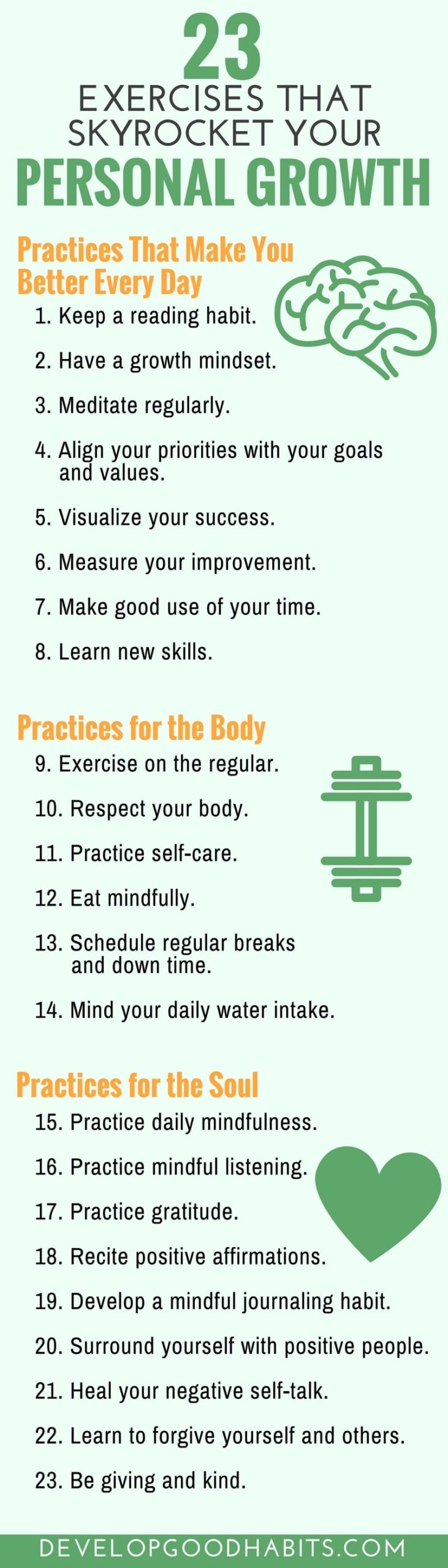
Personal Improvement: Small Steps, Lasting Change
Personal improvement isn’t about becoming a completely different person. It’s about learning, growing, and making choices that bring your everyday actions closer to the life you want. Progress rarely happens all at once. More often, it comes from small, consistent steps repeated over time.
Start With What Matters to You
Before setting goals, take a moment to consider what you want to improve and why. You might want to feel healthier, manage stress more effectively, build confidence, strengthen relationships, or make progress at work. Clear, personal reasons can help you stay motivated when change feels difficult.
Try to focus on goals that reflect your values rather than expectations you’ve picked up from other people. A meaningful goal is more likely to hold your attention because it connects to the kind of life you want to lead.
Make Goals Specific and Manageable
Broad intentions such as “be more productive” or “get healthier” can be hard to act on. Turn them into practical steps. For example, you could set aside 15 minutes each morning to plan your day or take a short walk three times a week.
Start small enough that you can follow through, even on a busy day. Achievable steps build momentum and help you develop trust in your ability to keep going. Once a routine feels more natural, you can adjust or expand it.
Build Habits, Not Just Motivation
Motivation can rise and fall, so it helps to create routines that don’t depend on feeling inspired. Attach a new habit to something you already do. After making your morning coffee, for instance, you could spend a few minutes journaling or reviewing your priorities.
Make the habit easy to begin. Prepare what you need in advance, reduce distractions, and choose a regular time or place. If you miss a day, treat it as a temporary setback—not proof that you’ve failed. Return to the routine at the next opportunity.
Learn From Setbacks
Challenges are a normal part of personal growth. When something doesn’t go as planned, pause before judging yourself. Ask what got in the way, what you can learn from the experience, and what small change might make success easier next time.
Self-compassion doesn’t mean avoiding responsibility. It means responding to mistakes with honesty and patience instead of harsh criticism. That approach makes it easier to learn, adapt, and keep moving forward.
Make Time to Reflect
Regular reflection can help you notice progress that might otherwise go unseen. At the end of each week, consider what went well, what felt difficult, and what you’d like to try next. You might keep a journal or simply take a few quiet minutes to think.
Reflection also helps you recognize when a goal no longer fits. Personal improvement isn’t a rigid checklist. It’s an ongoing process of understanding yourself and making thoughtful adjustments.
Protect the Foundations of Well-Being
Growth is easier when you care for the basics. Adequate rest, regular movement, nourishing food, supportive relationships, and time to recharge can all contribute to your ability to focus and cope with stress. These practices aren’t rewards to earn after reaching a goal; they’re part of the foundation that helps you pursue one.
Keep Going, One Step at a Time
Personal improvement is less about dramatic transformations and more about consistent choices. Choose one area to focus on, set a manageable goal, and take the next small step. Over time, those steps can build new skills, stronger habits, and a greater sense of confidence in the direction you’re taking.
5 Benefits of Personal Improvement: Boosting Confidence, Health, Resilience, Relationships, and Goals
- Builds self-confidence
- Encourages healthy habits
- Strengthens resilience
- Improves relationships
- Supports personal goals
7 Challenges of Personal Improvement: Navigating the Path to Growth
- Can take time to see results.
- May feel uncomfortable at first.
- Requires consistent effort.
- Progress can be hard to measure.
- Unrealistic goals can cause frustration.
- Comparing yourself to others can hurt confidence.
- Too much self-focus can become stressful.
Builds self-confidence
Personal improvement can build self-confidence by helping you recognize your strengths, develop new skills, and follow through on meaningful goals. Each small accomplishment is evidence that you can learn, adapt, and handle challenges. Over time, this progress can make you feel more capable and trust yourself in situations that once seemed intimidating.
Encourages healthy habits
Personal improvement encourages healthy habits by helping you make intentional choices that support your well-being. As you set goals and build routines, you may become more consistent with activities such as exercising, getting enough sleep, eating nourishing foods, and managing stress. Starting with small, realistic changes makes healthy habits easier to maintain and can lead to lasting improvements in your energy, mood, and overall quality of life.
Strengthens resilience
Personal improvement strengthens resilience by helping you develop the skills and confidence to navigate setbacks. As you learn from challenges, adjust your approach, and keep working toward meaningful goals, you become better prepared to handle stress and uncertainty. Over time, each difficulty can become an opportunity to build adaptability and trust in your ability to move forward.
Improves relationships
Personal improvement can strengthen relationships by helping you communicate more clearly, listen with greater attention, and understand how your actions affect others. As you become more self-aware and learn to manage your emotions, it can be easier to handle disagreements with patience and respect. These changes build trust, encourage empathy, and create deeper connections with the people in your life.
Supports personal goals
Personal improvement supports personal goals by helping you build the skills, habits, and confidence needed to pursue what matters to you. Whether you want to advance your career, improve your health, or strengthen relationships, steady progress can make your goals feel more manageable and help you stay focused along the way.
Can take time to see results.
One challenge of personal improvement is that results can take time to appear. Building new habits, developing skills, or changing long-standing patterns often requires steady effort before progress becomes noticeable. This can feel discouraging, especially when expectations are high, but small changes still matter. Setting realistic goals and recognizing incremental progress can help you stay motivated while meaningful results take shape.
May feel uncomfortable at first.
Personal improvement can feel uncomfortable at first because change often means stepping beyond familiar routines and facing thoughts, habits, or situations you’d rather avoid. Trying something new may bring uncertainty, frustration, or self-doubt, especially before you see results. These feelings are a normal part of learning, not a sign that you’re doing something wrong. Start with small, manageable steps and give yourself time to adjust; with practice, what once felt challenging can become more familiar and rewarding.
Requires consistent effort.
Personal improvement requires consistent effort, which can be challenging when progress feels slow or life gets busy. Building new habits and changing familiar patterns takes time, patience, and follow-through—not just a burst of motivation. Setbacks are normal, but staying committed and returning to your goals after a difficult day can make the process feel demanding.
Progress can be hard to measure.
One challenge of personal improvement is that progress can be hard to measure. Unlike a clear milestone, changes in confidence, patience, or resilience often happen gradually and may not be obvious from day to day. This can make it easy to feel stuck, even when real growth is taking place. Keeping brief notes, tracking specific habits, or reflecting on how you handled situations over time can help make that progress easier to recognize.
Unrealistic goals can cause frustration.
Setting unrealistic goals can make personal improvement feel discouraging rather than rewarding. When expectations are too ambitious or progress is slower than hoped, it’s easy to feel frustrated, lose motivation, or judge yourself harshly. Break larger goals into manageable steps, set a realistic pace, and remember that steady progress matters more than perfection.
Comparing yourself to others can hurt confidence.
Comparing your personal growth to someone else’s can undermine your confidence and make your own progress seem insignificant. People have different goals, circumstances, strengths, and timelines, so another person’s achievements rarely provide a fair measure of your success. Instead of focusing on how you rank against others, pay attention to the changes you’ve made, the skills you’re building, and the steps you’re taking toward goals that matter to you.
Too much self-focus can become stressful.
Personal improvement can be valuable, but focusing too much on yourself can become stressful. Constantly tracking your habits, evaluating your progress, and looking for flaws may leave you feeling as if you’re never doing enough. It can also make everyday choices feel like tests you have to pass. Instead of treating growth as a nonstop project, allow yourself time to rest, enjoy the present, and accept that you don’t need to optimize every part of your life.