How Much Does Melatonin Cost?
Melatonin is widely available in the United States as an over-the-counter dietary supplement. The price depends on the brand, dosage, number of servings, and form—such as tablets, capsules, gummies, or liquid. In general, a bottle may cost about $5 to $25, though specialty products and larger packages can cost more.
Typical Melatonin Prices
Approximate retail prices can vary by store, location, and time of purchase. Common price ranges include:
- Tablets or capsules: about $5–$20 per bottle
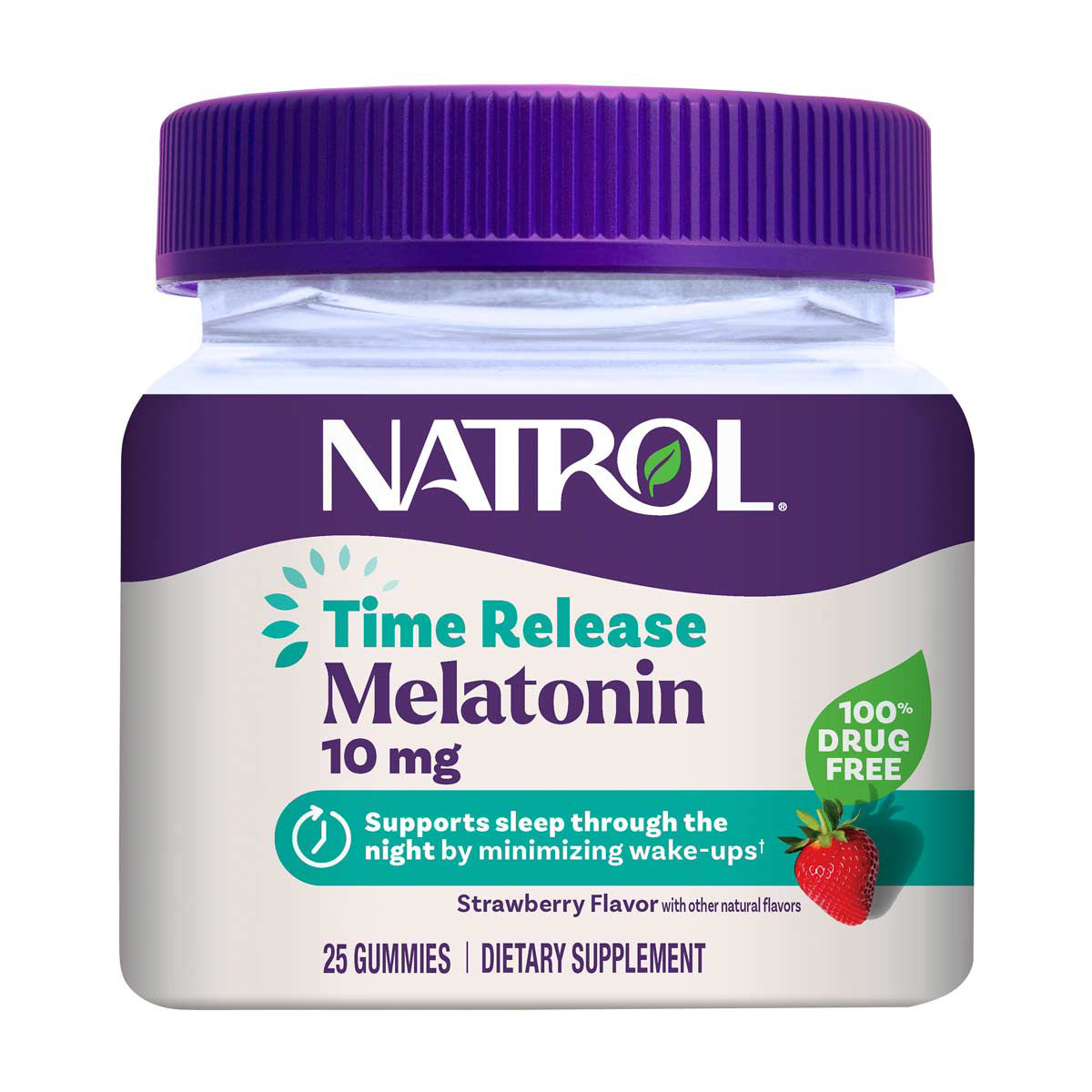
- Gummies: about $8–$25 per bottle
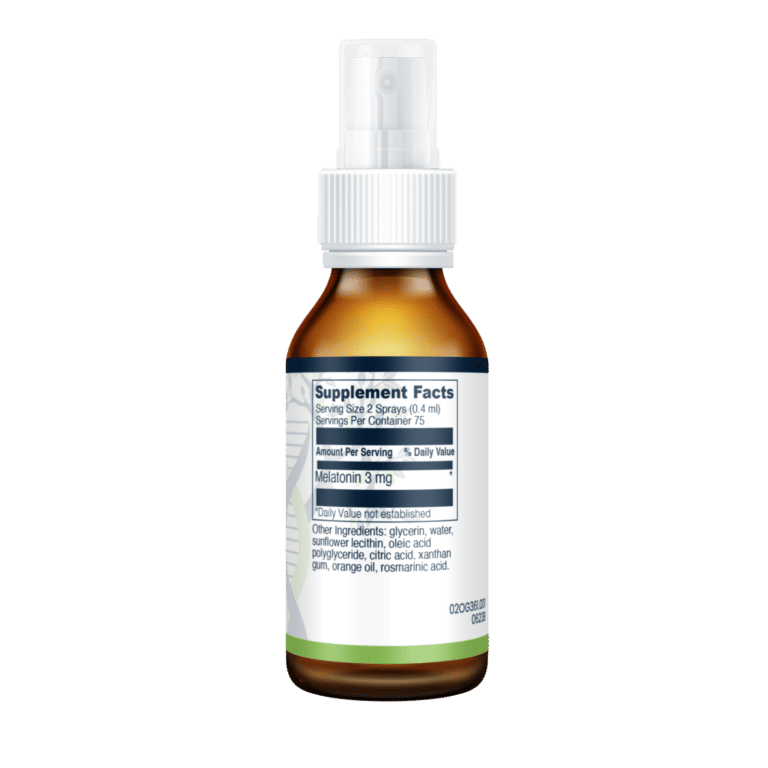
- Liquid melatonin: about $8–$20 per bottle
- Extended-release products: about $8–$25 per bottle
- Combination sleep supplements: about $10–$30 or more per bottle
These are broad estimates, not guaranteed prices. A small bottle may have a lower upfront cost but a higher cost per serving. To compare products, check the number of servings and the amount of melatonin in each serving, rather than relying on the bottle price alone.
What Affects the Cost?
Product form
Basic tablets and capsules are often among the least expensive options. Gummies and flavored liquids may cost more because of their ingredients and packaging. Extended-release products, which are designed to release melatonin over a longer period, may also be priced higher.
Brand and ingredients
Well-known brands and products with added ingredients—such as herbs, vitamins, or minerals—may cost more than simple melatonin supplements. Additional ingredients do not necessarily mean a product works better, so review the label carefully.
Dosage and serving size
A product labeled with a higher dose is not automatically a better value or a better choice. The appropriate amount can depend on the person and the reason for use. Follow the product label and ask a health professional if the right dose is unclear.
Where you shop
Prices may differ among pharmacies, grocery stores, warehouse clubs, and online retailers. Promotions and bulk packages can lower the cost per serving, but check the expiration date and serving count before buying a large supply.
Does Insurance Cover Melatonin?
Because melatonin is generally sold as a dietary supplement, health insurance plans usually do not cover it. Flexible spending accounts (FSAs) and health savings accounts (HSAs) may have restrictions on supplement purchases, so check the rules for your plan before using those funds.
Melatonin supplements are different from prescription medicines used for sleep. For example, ramelteon is a prescription medication that acts on melatonin receptors; it is not the same product as an over-the-counter melatonin supplement. Prescription coverage and costs depend on the medication and insurance plan.
How to Choose a Product
Compare the cost per serving, read the Supplement Facts panel, and check the suggested use and warnings. In the United States, dietary supplements are not approved by the FDA for safety and effectiveness before they are marketed in the same way as prescription drugs. Product quality can vary, so some consumers look for independent quality testing, such as certification from a recognized third-party organization.
Melatonin may cause side effects, including drowsiness, dizziness, or headache, and it can interact with some medicines. Ask a doctor or pharmacist before using it if you take medication, have a health condition, are pregnant or breastfeeding, or are considering it for a child. Ongoing sleep problems are also worth discussing with a health professional rather than treating with supplements alone.
The Bottom Line
Most melatonin products cost roughly $5–$25 per bottle, with price differences based on form, brand, and serving count. Comparing the cost per serving can help identify a better value, but price should not be the only consideration. Check the label, consider product quality, and seek professional advice when melatonin may not be appropriate.
Understanding Melatonin: Costs, Usage, and Safety FAQs
- Is it OK to take melatonin every night?
- Why is melatonin no longer recommended?
- Is 10mg of melatonin too much?
- How much does melatonin cost from a pharmacy?
- Why is melatonin so expensive?
- How much does melatonin cost?
- How much is the average melatonin?
Is it OK to take melatonin every night?
For many adults, short-term nightly melatonin use may be appropriate, but its long-term safety and effectiveness are not well established. If you’re considering taking it every night, ask a healthcare professional—especially if you take other medications, have a health condition, or are pregnant or breastfeeding. Use only as directed, and seek advice if sleep problems persist, since they may have an underlying cause.
Why is melatonin no longer recommended?
Melatonin has not been universally “no longer recommended,” but some sleep experts advise against using it as a routine treatment for chronic insomnia because evidence of benefit is limited and it may not address the underlying cause of sleep problems. Supplement strength and quality can also vary, and melatonin may cause side effects or interact with medications. It may still be useful for certain issues, such as jet lag or circadian-rhythm problems, when used appropriately. A doctor or pharmacist can help determine whether it’s suitable, especially for children, during pregnancy, or with regular medication use.
Is 10mg of melatonin too much?
For many adults, 10 mg of melatonin is more than they may need; higher doses aren’t necessarily more effective and may increase side effects such as next-day drowsiness, dizziness, or headache. There is no single dose that’s right for everyone, so follow the product label and ask a health care professional before using 10 mg—especially if you take medications, have a health condition, or are considering melatonin for a child.
How much does melatonin cost from a pharmacy?
At a U.S. pharmacy, over-the-counter melatonin typically costs about $5–$20 per bottle, depending on the brand, dosage, form, and number of servings. Generic tablets are often less expensive, while gummies or specialty formulas may cost more. Prices vary by pharmacy and location, and insurance usually does not cover melatonin because it is sold as a dietary supplement.
Why is melatonin so expensive?
Melatonin isn’t always expensive—many basic tablets are relatively affordable—but some products cost more because of their format, branding, added ingredients, or specialized features such as extended release. Gummies and liquids may also cost more to make and package than standard tablets. Prices vary by retailer and bottle size, so compare the cost per serving and check what each product contains; a higher price doesn’t necessarily mean better quality or effectiveness.
How much does melatonin cost?
Melatonin typically costs about $5 to $25 per bottle in the United States, depending on the brand, form (such as tablets, gummies, or liquid), dosage, and number of servings. Compare the cost per serving rather than just the bottle price, and check the label for ingredients and quality information. Prices vary by retailer, and insurance generally does not cover over-the-counter melatonin supplements.
How much is the average melatonin?
A typical bottle of melatonin costs about $5 to $15 in the U.S., though prices vary by brand, dosage, bottle size, and form. Tablets are often less expensive, while gummies and liquids may cost more. Compare the number of servings—not just the bottle price—to estimate the cost per dose.