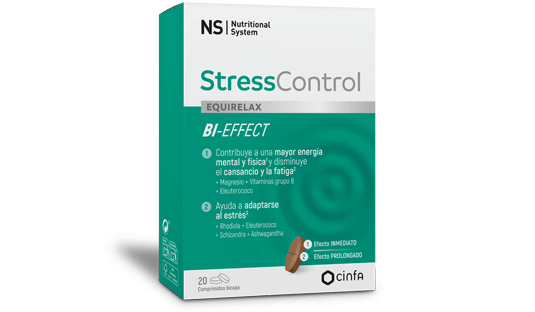
The Art of Stress Control
Stress is an inevitable part of life. From work deadlines to personal responsibilities, we all experience stress in various forms. While some level of stress can be motivating, chronic stress can have detrimental effects on our physical and mental well-being.
Learning how to effectively manage and control stress is key to leading a healthier and more balanced life. Here are some strategies to help you master the art of stress control:
Mindfulness Meditation
Practicing mindfulness meditation involves focusing your attention on the present moment without judgment. This practice can help reduce stress by promoting relaxation and increasing self-awareness.
Physical Exercise
Engaging in regular physical exercise not only benefits your physical health but also helps reduce stress levels. Exercise releases endorphins, which are known as “feel-good” hormones that can boost your mood and alleviate stress.
Time Management
Poor time management can often lead to increased stress levels. By prioritizing tasks, setting realistic goals, and creating a structured schedule, you can better manage your time and reduce the feeling of being overwhelmed.
Healthy Lifestyle Choices
Eating a balanced diet, getting an adequate amount of sleep, and avoiding excessive alcohol and caffeine consumption are essential for managing stress. A healthy lifestyle provides your body with the necessary resources to cope with stressful situations.
Social Support
Connecting with friends, family, or support groups can provide emotional support during times of stress. Talking about your feelings and seeking advice from others can help you gain perspective and feel more supported.
Incorporating these strategies into your daily routine can empower you to take control of your stress levels and improve your overall well-being. Remember that it’s okay to seek professional help if you feel overwhelmed or unable to manage your stress on your own.
Top FAQs on Managing Stress: Tips, Techniques, and Effective Strategies
- What are 7 tips to relieve your stress?
- How to control stress?
- What is the 3 3 3 rule for stress?
- What are 5 ways to relieve stress?
- What’s best for stress and anxiety?
What are 7 tips to relieve your stress?
Managing stress is crucial for maintaining overall well-being. Here are seven effective tips to help you relieve stress: First, practice deep breathing exercises to calm your mind and body. Second, engage in regular physical activity to release tension and boost your mood. Third, prioritize self-care activities such as meditation or taking a relaxing bath. Fourth, maintain a healthy diet rich in nutrients that support stress management. Fifth, establish boundaries to protect your time and energy from unnecessary stressors. Sixth, get enough quality sleep to recharge and rejuvenate your body. Lastly, seek social support from friends or loved ones to share your feelings and gain perspective on stressful situations. By incorporating these tips into your daily routine, you can proactively manage stress and enhance your overall quality of life.
How to control stress?
To effectively control stress, it is important to adopt a multi-faceted approach that addresses both the physical and psychological aspects of stress management. Implementing relaxation techniques such as mindfulness meditation, deep breathing exercises, or progressive muscle relaxation can help calm the mind and reduce stress levels. Engaging in regular physical exercise, maintaining a healthy diet, getting enough sleep, and staying hydrated are essential for supporting your body’s ability to cope with stress. Additionally, practicing effective time management, setting boundaries, seeking social support, and learning to prioritize tasks can help prevent feelings of overwhelm and anxiety. By combining these strategies and finding what works best for you, you can take proactive steps towards controlling stress and improving your overall well-being.
What is the 3 3 3 rule for stress?
The 3 3 3 rule for stress is a simple and effective technique that can help individuals manage their stress levels. This rule involves taking three deep breaths, three times a day, for three minutes each time. By focusing on your breathing and taking intentional deep breaths, you can activate your body’s relaxation response, which helps calm your mind and reduce stress. Implementing the 3 3 3 rule into your daily routine can provide a quick and accessible way to bring about a sense of calm and balance during stressful moments.
What are 5 ways to relieve stress?
When it comes to relieving stress, there are several effective strategies that can help promote relaxation and restore balance. Five key ways to relieve stress include practicing mindfulness meditation to cultivate present-moment awareness, engaging in regular physical exercise to release endorphins and boost mood, implementing effective time management techniques to prioritize tasks and reduce overwhelm, making healthy lifestyle choices such as eating well and getting enough sleep, and seeking social support from friends, family, or support groups to share feelings and gain perspective. By incorporating these practices into your routine, you can effectively manage stress and enhance your overall well-being.
What’s best for stress and anxiety?
When it comes to managing stress and anxiety effectively, there is no one-size-fits-all solution. Different techniques work for different individuals, so it’s essential to explore various strategies to find what works best for you. Some common approaches include mindfulness meditation, physical exercise, deep breathing exercises, journaling, seeking social support, and professional therapy or counseling. It’s important to prioritize self-care, establish healthy boundaries, and practice self-compassion when dealing with stress and anxiety. Remember that seeking help from a mental health professional can provide valuable support and guidance in developing personalized strategies for stress and anxiety management.