The Impact of Insomnia and the Importance of Improved Sleep Habits
Insomnia is a common sleep disorder that affects millions of people worldwide. Characterized by difficulty falling asleep, staying asleep, or experiencing non-restorative sleep, insomnia can have a significant impact on one’s overall health and well-being. Chronic insomnia can lead to daytime fatigue, irritability, difficulty concentrating, and an increased risk of developing other health conditions.
Understanding the Causes of Insomnia
Insomnia can be caused by various factors, including stress, anxiety, depression, poor sleep environment, irregular sleep schedules, and unhealthy lifestyle habits. Identifying the underlying cause of insomnia is crucial in developing an effective treatment plan.
The Role of Improved Sleep Habits
Improving sleep habits is essential in managing insomnia and promoting better quality sleep. By incorporating healthy sleep practices into your daily routine, you can create an environment that is conducive to restful and rejuvenating sleep.
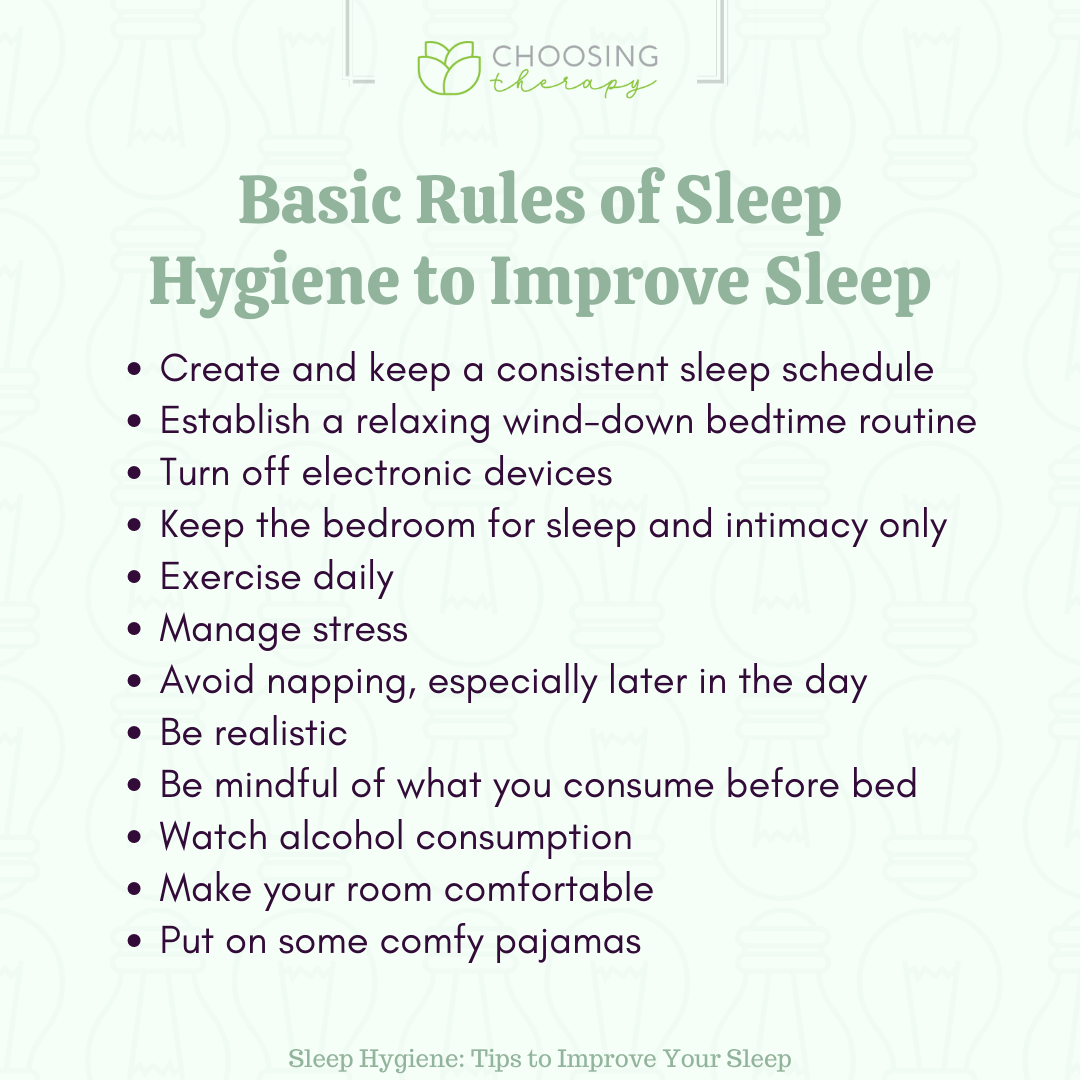
Tips for Improving Sleep Habits:
- Avoid stimulants like caffeine and nicotine close to bedtime.
- Create a relaxing bedtime routine to signal your body that it’s time to wind down.
- Maintain a consistent sleep schedule by going to bed and waking up at the same time every day.
- Create a comfortable sleep environment that is dark, quiet, and cool.
- Avoid electronic devices before bedtime as the blue light emitted can disrupt your natural sleep-wake cycle.
The Benefits of Improved Sleep
By adopting healthier sleep habits, you can experience numerous benefits beyond just managing insomnia. Quality sleep plays a vital role in supporting overall health and well-being. It enhances cognitive function, improves mood regulation, boosts immune function, and promotes physical recovery.
Conclusion
Insomnia can have a profound impact on one’s quality of life; however, by making simple changes to your daily routine and prioritizing healthy sleep habits, you can effectively manage insomnia and improve the quality of your sleep. Remember that consistency is key when it comes to establishing good sleep practices. Take proactive steps today to enhance your sleep quality and overall well-being.
8 Benefits of Insomnia: Transforming Sleep Habits for a Healthier, More Productive Life
- Enhanced cognitive function and improved focus during the day
- Reduced risk of developing chronic health conditions associated with poor sleep
- Increased energy levels and overall productivity
- Improved mood regulation and emotional well-being
- Enhanced memory consolidation and learning abilities
- Boosted immune system function for better overall health
- Faster physical recovery from daily activities or workouts
- Decreased daytime fatigue and increased alertness
6 Challenges of Adopting Better Sleep Habits for Insomnia Relief
- Initial adjustment period may be challenging as you adapt to new sleep routines.
- Maintaining consistent sleep habits requires discipline and commitment.
- Changes in sleep environment or bedtime routine may disrupt your daily schedule initially.
- Improving sleep habits may require investing in new bedding or sleep accessories, incurring additional costs.
- It can be difficult to break old habits and establish new ones for better sleep practices.
- Improved sleep habits may not show immediate results, requiring patience and persistence.
Enhanced cognitive function and improved focus during the day
Improving sleep habits can lead to enhanced cognitive function and improved focus during the day. When we prioritize quality sleep and establish a consistent bedtime routine, our brains have the opportunity to rest and recharge effectively. Adequate rest allows for better memory consolidation, problem-solving skills, and overall mental clarity. By ensuring that we get enough restful sleep each night, we set ourselves up for success in tackling daily tasks with increased focus and productivity.
Reduced risk of developing chronic health conditions associated with poor sleep
By improving sleep habits and effectively managing insomnia, individuals can significantly reduce their risk of developing chronic health conditions associated with poor sleep. Quality sleep plays a crucial role in supporting overall health and well-being, as it allows the body to rest, repair, and rejuvenate. By prioritizing healthy sleep practices, such as maintaining a consistent sleep schedule, creating a comfortable sleep environment, and practicing relaxation techniques before bedtime, individuals can enhance their sleep quality and lower the likelihood of developing conditions such as cardiovascular disease, obesity, diabetes, and mental health disorders that are linked to inadequate or disrupted sleep patterns.
Increased energy levels and overall productivity
Improved sleep habits as a result of managing insomnia can lead to increased energy levels and overall productivity. When you consistently get restful and rejuvenating sleep, your body is better equipped to function at its best throughout the day. Adequate sleep allows for proper physical and mental recovery, enhancing your focus, concentration, and problem-solving abilities. With higher energy levels and improved cognitive function, you can approach tasks with greater efficiency and effectiveness, ultimately boosting your productivity in both personal and professional aspects of life. Prioritizing quality sleep through healthy habits is a key factor in achieving optimal energy levels and maximizing productivity.
Improved mood regulation and emotional well-being
Improved sleep habits as a result of managing insomnia can lead to enhanced mood regulation and emotional well-being. Quality sleep plays a crucial role in stabilizing emotions, reducing irritability, and promoting a more positive outlook on life. When we prioritize restful sleep, our brains have the opportunity to process emotions effectively, leading to improved emotional resilience and mental well-being. By establishing healthy sleep routines, individuals can experience greater emotional balance and overall happiness in their daily lives.
Enhanced memory consolidation and learning abilities
Improved sleep habits resulting from overcoming insomnia can lead to enhanced memory consolidation and learning abilities. During deep sleep stages, the brain processes and stores information gathered throughout the day, strengthening neural connections associated with memory and learning. By achieving restful and uninterrupted sleep, individuals can optimize their cognitive function, retain information more effectively, and enhance their overall ability to learn and recall new knowledge. Embracing healthy sleep practices not only combats insomnia but also nurtures a conducive environment for improved memory consolidation and heightened learning capabilities.
Boosted immune system function for better overall health
Improved sleep habits as a result of managing insomnia can lead to a boosted immune system function, ultimately contributing to better overall health. Quality sleep plays a crucial role in supporting the body’s immune system, helping it to effectively defend against illnesses and infections. By prioritizing healthy sleep practices, individuals can strengthen their immune response, reduce susceptibility to common illnesses, and enhance their overall well-being. Consistent, restful sleep is key in maintaining a robust immune system that can better protect the body and promote long-term health.
Faster physical recovery from daily activities or workouts
Improved sleep habits resulting from managing insomnia can lead to faster physical recovery from daily activities or workouts. Quality sleep plays a crucial role in the body’s repair and regeneration processes, allowing muscles to recover, energy levels to replenish, and overall physical performance to improve. By ensuring adequate and restful sleep, individuals can optimize their body’s ability to heal and adapt to the demands of daily activities or intense workouts, ultimately enhancing their overall fitness and well-being.
Decreased daytime fatigue and increased alertness
Improved sleep habits resulting from addressing insomnia can lead to decreased daytime fatigue and increased alertness. By ensuring a restful and uninterrupted night’s sleep, individuals are better equipped to feel refreshed and energized during the day. This enhanced alertness allows for improved focus, productivity, and overall cognitive function, ultimately contributing to a more vibrant and fulfilling daily life.
Initial adjustment period may be challenging as you adapt to new sleep routines.
The initial adjustment period when transitioning to improved sleep habits can present a challenge as your body and mind adapt to new routines. Changing established sleep patterns may require patience and persistence as your internal clock adjusts to a different schedule. During this period, it’s normal to experience some difficulty falling asleep or waking up at the desired times. However, staying consistent with your new sleep routines and giving yourself time to acclimate can lead to long-term benefits in overcoming insomnia and achieving better quality sleep.
Maintaining consistent sleep habits requires discipline and commitment.
Maintaining consistent sleep habits requires discipline and commitment. It can be challenging to adhere to a strict sleep schedule, especially in today’s fast-paced world where distractions and responsibilities abound. However, the effort put into establishing and sticking to healthy sleep routines is well worth it. By prioritizing regular sleep patterns and creating a conducive sleep environment, individuals can significantly improve their quality of rest and overall well-being. Developing the discipline to prioritize adequate sleep and committing to healthy bedtime practices can lead to long-term benefits in managing insomnia and promoting better overall health.
Changes in sleep environment or bedtime routine may disrupt your daily schedule initially.
Making changes to your sleep environment or bedtime routine in an effort to improve insomnia and promote better sleep habits can initially disrupt your daily schedule. Adjusting to a new routine or creating a more conducive sleep environment may require time and patience as your body adapts to these changes. It’s important to stay consistent and give yourself time to establish a new rhythm that supports restful sleep. While the transition period may pose challenges, the long-term benefits of improved sleep habits far outweigh the temporary disruptions in your daily schedule.
Improving sleep habits may require investing in new bedding or sleep accessories, incurring additional costs.
Improving sleep habits to combat insomnia may come with the con of requiring investments in new bedding or sleep accessories, resulting in additional costs. While upgrading to a comfortable mattress, pillows, or other sleep-related products can contribute to better sleep quality, the financial aspect of these purchases may pose a challenge for some individuals. However, it’s important to weigh the long-term benefits of investing in quality sleep essentials against the initial costs, as prioritizing restful sleep can have significant positive impacts on overall health and well-being.
It can be difficult to break old habits and establish new ones for better sleep practices.
Breaking old habits and establishing new ones for better sleep practices can be a challenging aspect of overcoming insomnia. Our daily routines and behaviors are deeply ingrained, making it hard to make significant changes overnight. It requires dedication, consistency, and patience to transition from unhealthy sleep habits to healthier ones. However, with commitment and gradual adjustments, individuals can gradually reshape their bedtime routines and create an environment that promotes restful and rejuvenating sleep. Recognizing the difficulty of this process is the first step towards successfully improving sleep habits and managing insomnia in the long run.
Improved sleep habits may not show immediate results, requiring patience and persistence.
It is important to acknowledge that the benefits of improved sleep habits in managing insomnia may not be immediately apparent. Developing a consistent routine and making lifestyle changes to promote better sleep quality may take time to yield noticeable results. Patience and persistence are key in this process, as it may require some time for the body to adjust and for new habits to take effect. By staying committed to implementing healthy sleep practices over the long term, individuals can gradually experience improvements in their overall sleep patterns and well-being.