Recognizing Mental Stress Symptoms
Mental stress is a common issue that many people face in today’s fast-paced world. It can affect our overall well-being and quality of life if left unaddressed. Recognizing the symptoms of mental stress is the first step towards managing and overcoming it.
Physical Symptoms:
- Headaches or migraines
- Muscle tension or pain
- Fatigue or low energy levels
- Insomnia or disrupted sleep patterns
- Changes in appetite – either overeating or loss of appetite
Emotional Symptoms:
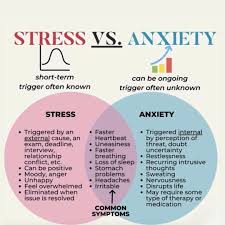
- Feeling overwhelmed or anxious
- Irritability or mood swings
- Feeling sad or depressed
- Lack of motivation or interest in activities
- Inability to relax or unwind
Cognitive Symptoms:
- Difficulty concentrating or making decisions
- Racing thoughts or constant worrying
- Mind fog or forgetfulness
- Negative self-talk or self-doubt
Behavioral Symptoms:
- Increase in substance use (alcohol, drugs, etc.)
- Social withdrawal or isolation
- Risky behaviors
- Poor performance at work/school
- Avoidance of responsibilities
-
If you are experiencing any of these symptoms on a regular basis, it’s important to seek help and support. Talking to a mental health professional, practicing relaxation techniques, engaging in physical activity, and maintaining a healthy lifestyle can all help in managing and reducing mental stress.
Remember, it’s okay to ask for help when you need it. Your mental health is just as important as your physical health.
Understanding the Signs and Symptoms of Mental Stress: Key Indicators to Watch For
- What are the 12 signs of stress?
- What are 5 emotional signs of stress?
- What are 5 warning signs of stress?
- What is the symptoms of mental stress?
- What are 5 physical symptoms of mental stress?
What are the 12 signs of stress?
When it comes to identifying signs of stress, there are various indicators that can manifest in different ways. Some common signs of stress include physical symptoms like headaches, muscle tension, and fatigue. Emotional signs may include feelings of anxiety, irritability, and sadness. Cognitive symptoms such as difficulty concentrating, racing thoughts, and negative self-talk can also indicate stress. Additionally, behavioral changes like increased substance use, social withdrawal, and poor performance at work or school are often associated with heightened stress levels. Recognizing these signs early on can help individuals take proactive steps to manage their stress and prioritize their mental well-being.
What are 5 emotional signs of stress?
When it comes to recognizing signs of stress, understanding the emotional indicators is crucial. Five common emotional signs of stress include feeling overwhelmed or anxious, experiencing irritability or mood swings, sensing feelings of sadness or depression, noticing a lack of motivation or interest in activities, and struggling to relax or unwind. These emotional symptoms can serve as important cues that indicate the presence of stress and may prompt individuals to seek support and implement coping strategies to manage their mental well-being effectively.
What are 5 warning signs of stress?
Recognizing the warning signs of stress is crucial for maintaining our mental and emotional well-being. Five common indicators include persistent headaches or migraines, muscle tension or pain, fatigue, disrupted sleep patterns, and changes in appetite. These physical symptoms often accompany emotional signs such as feeling overwhelmed or anxious, irritability, mood swings, and a lack of motivation. Additionally, cognitive symptoms like difficulty concentrating or making decisions, racing thoughts, and negative self-talk can manifest during stressful periods. Behavioral changes such as increased substance use, social withdrawal, risky behaviors, poor performance at work or school, and avoidance of responsibilities are also key warning signs that should not be ignored. Identifying these signs early on can help individuals take proactive steps to manage their stress levels effectively.
What is the symptoms of mental stress?
When it comes to mental stress, the symptoms can manifest in various ways, affecting both our physical and emotional well-being. Common symptoms of mental stress include headaches, muscle tension, fatigue, insomnia, anxiety, irritability, difficulty concentrating, and changes in appetite. It’s important to recognize these signs early on to address them effectively and seek the necessary support to manage and alleviate mental stress. Taking proactive steps towards self-care and seeking professional guidance can help in coping with the challenges posed by mental stress.
What are 5 physical symptoms of mental stress?
When it comes to mental stress, there are several physical symptoms that can manifest in individuals experiencing heightened levels of stress. Five common physical symptoms of mental stress include headaches or migraines, muscle tension or pain, fatigue or low energy levels, insomnia or disrupted sleep patterns, and changes in appetite – either overeating or loss of appetite. These physical manifestations serve as important indicators of the impact that mental stress can have on the body, highlighting the interconnected nature of our mental and physical well-being. Recognizing and addressing these symptoms is crucial in effectively managing and mitigating the effects of mental stress on overall health.