Discover Effective Ways to Relax Your Mind
Our minds are constantly bombarded with information, tasks, and stressors that can leave us feeling overwhelmed and mentally exhausted. It’s essential to take time to relax and unwind in order to maintain mental clarity and overall well-being. Here are some effective ways to relax your mind:
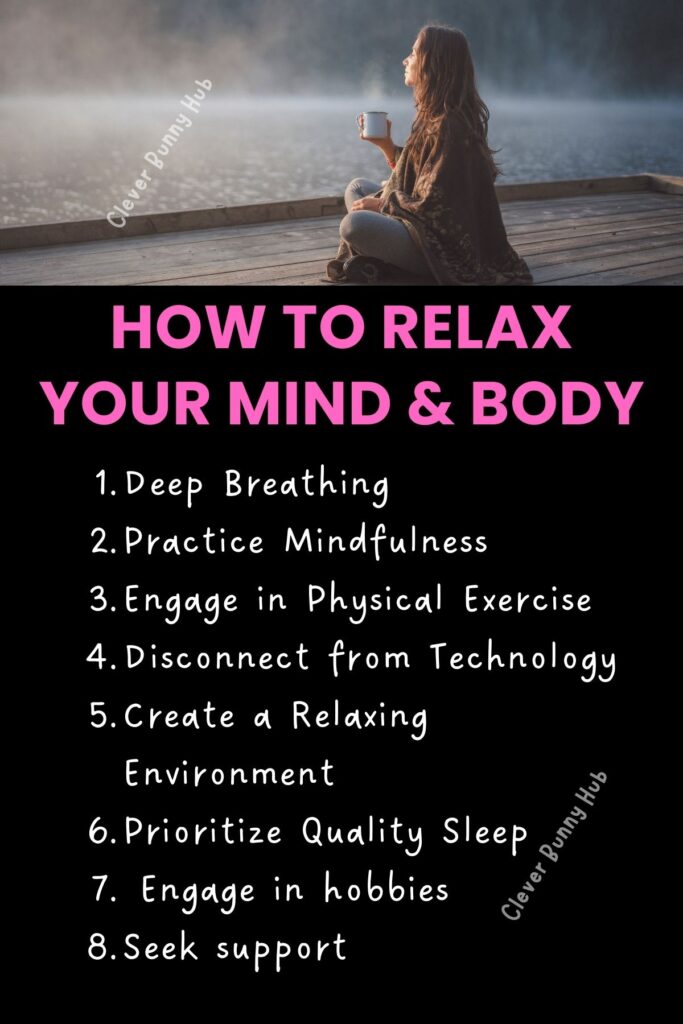
Practice Mindfulness
Mindfulness involves focusing on the present moment without judgment. Engaging in mindfulness meditation or simply being aware of your thoughts and feelings can help calm your mind and reduce stress.
Deep Breathing Exercises
Deep breathing exercises, such as diaphragmatic breathing or box breathing, can help slow down your heart rate, lower blood pressure, and promote relaxation. Take a few minutes each day to practice deep breathing for a calming effect on your mind.
Engage in Physical Activity
Exercise is not only beneficial for your physical health but also for your mental well-being. Engaging in activities like yoga, walking, or dancing can help release endorphins, reduce anxiety, and improve mood.
Disconnect from Technology
Constant exposure to screens and notifications can contribute to mental fatigue. Take breaks from technology by unplugging for a designated period each day. Disconnecting allows your mind to rest and recharge.
Spend Time in Nature
Nature has a calming effect on the mind and body. Take a walk in the park, go hiking, or simply sit outside and enjoy the fresh air. Connecting with nature can help reduce stress levels and promote relaxation.
Practice Gratitude
Cultivating a sense of gratitude has been shown to improve mental well-being. Take time each day to reflect on things you are grateful for, whether big or small. This practice can shift your focus from negative thoughts to positive ones.
Listen to Music
Music has the power to influence our emotions and mood. Create a playlist of calming music or sounds that you enjoy listening to when you need to relax your mind. Allow yourself to fully immerse in the music and let it soothe your thoughts.
Incorporating these relaxation techniques into your daily routine can help you manage stress, improve mental clarity, and enhance overall well-being. Remember that taking care of your mind is just as important as taking care of your body.
8 Common Questions Answered: Effective Techniques for Calming and Relaxing Your Mind
- What are 5 warning signs of anxiety?
- How can I calm my mind down fast?
- How can I relax my mind in 10 minutes?
- How can I relax my mind in 5 minutes?
- How can I relax my brain?
- What are 10 ways to relax?
- How can I mentally relax myself?
- What is the 3 3 3 rule for relaxing?
What are 5 warning signs of anxiety?
Recognizing the warning signs of anxiety is crucial for maintaining mental well-being. Five common indicators include persistent feelings of worry or fear, restlessness or irritability, difficulty concentrating, physical symptoms like rapid heartbeat or sweating, and avoidance of certain situations. If you experience these symptoms frequently and they interfere with your daily life, it’s important to seek support from a mental health professional. Understanding these warning signs can help you take proactive steps to manage anxiety and prioritize relaxation techniques to calm your mind.
How can I calm my mind down fast?
When seeking ways to calm your mind down quickly, there are several effective techniques you can try. Deep breathing exercises, such as diaphragmatic breathing or box breathing, can help regulate your heart rate and induce relaxation almost instantly. Engaging in mindfulness practices, where you focus on the present moment without judgment, can also provide rapid relief from racing thoughts and stress. Another helpful method is to listen to calming music or sounds that soothe your mind and promote a sense of tranquility. By incorporating these strategies into your routine, you can effectively calm your mind down fast and restore a sense of inner peace.
How can I relax my mind in 10 minutes?
In just 10 minutes, there are several quick and effective ways to relax your mind and find a moment of calm amidst a busy day. One approach is to practice deep breathing exercises, focusing on slow, deep breaths to help center your thoughts and reduce stress. Another option is to engage in a brief mindfulness meditation session, where you can bring your attention to the present moment and let go of racing thoughts. Listening to soothing music or nature sounds for a few minutes can also help create a tranquil atmosphere and promote relaxation. These simple techniques can be easily incorporated into your daily routine to provide moments of mental rejuvenation in just 10 minutes.
How can I relax my mind in 5 minutes?
In just five minutes, there are several quick and effective ways to relax your mind. One simple method is to practice deep breathing exercises, focusing on slow, deep breaths to calm your nervous system and reduce stress. Another option is to engage in a brief mindfulness meditation session, where you can bring your attention to the present moment and let go of racing thoughts. Taking a short walk outside or listening to soothing music can also help clear your mind and promote relaxation in a short amount of time. Experiment with these techniques to find what works best for you when you need a quick mental break.
How can I relax my brain?
To relax your brain, it’s important to incorporate mindfulness techniques into your daily routine. Mindfulness involves being fully present in the moment and acknowledging your thoughts without judgment. Engaging in mindfulness meditation, deep breathing exercises, or yoga can help calm your mind and reduce stress. Additionally, disconnecting from technology, spending time in nature, practicing gratitude, and listening to calming music are effective ways to relax your brain and promote mental well-being. By prioritizing self-care and incorporating these relaxation techniques into your life, you can nurture a peaceful state of mind and enhance overall mental clarity.
What are 10 ways to relax?
When seeking ways to relax your mind, consider incorporating a variety of techniques into your routine. Some effective methods include practicing mindfulness through meditation or deep breathing exercises, engaging in physical activity like yoga or walking, disconnecting from technology to allow your mind to rest, spending time in nature to reduce stress levels, practicing gratitude to shift focus to positive thoughts, listening to calming music, indulging in a warm bath or shower, reading a book, journaling your thoughts and feelings, and enjoying a cup of herbal tea. Experiment with these relaxation strategies to find what works best for you and make them a regular part of your self-care routine.
How can I mentally relax myself?
To mentally relax yourself, it’s important to incorporate mindfulness practices into your daily routine. Engaging in activities such as meditation, deep breathing exercises, and progressive muscle relaxation can help calm your mind and reduce stress levels. Taking time to disconnect from technology, spend time in nature, or listen to soothing music are also effective ways to promote mental relaxation. Remember that finding what works best for you is key, so explore different techniques and establish a consistent relaxation practice that suits your preferences and lifestyle.
What is the 3 3 3 rule for relaxing?
The 3 3 3 rule for relaxing is a simple yet effective technique that can help calm your mind and reduce stress. The rule involves taking three minutes to look at three things, listen to three sounds, and move three body parts. By focusing on your surroundings visually, auditorily, and physically, you can shift your attention away from racing thoughts and bring yourself into the present moment. This practice promotes mindfulness and relaxation by engaging your senses and grounding you in the here and now. Incorporating the 3 3 3 rule into your daily routine can be a quick and accessible way to find moments of peace and mental clarity amidst a busy day.