Understanding Effexor Insomnia: Causes and Management
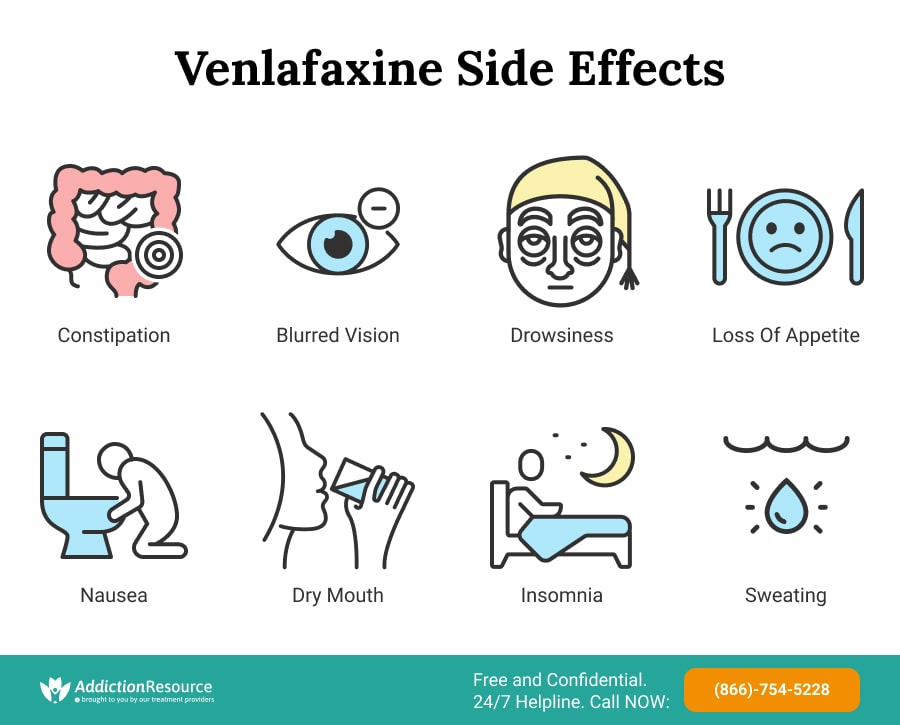
Effexor, also known as venlafaxine, is a commonly prescribed antidepressant medication that belongs to the class of serotonin-norepinephrine reuptake inhibitors (SNRIs). While Effexor is effective in treating depression and anxiety disorders for many individuals, one common side effect that some people experience is insomnia.
Causes of Effexor-Induced Insomnia
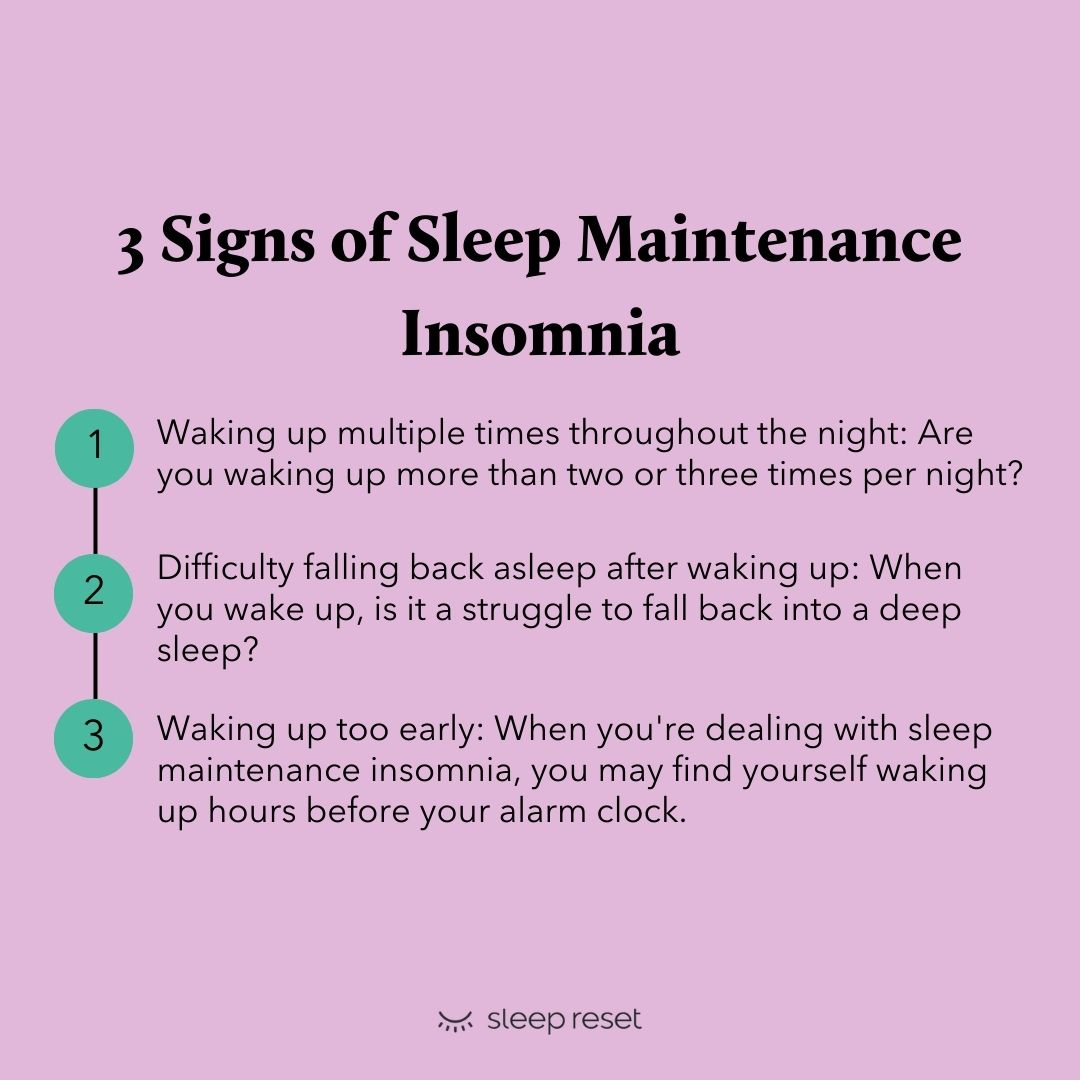
Effexor can disrupt the normal sleep-wake cycle in some individuals, leading to difficulties falling asleep or staying asleep. The exact mechanism behind Effexor-induced insomnia is not fully understood, but it may be related to the medication’s impact on neurotransmitters in the brain, such as serotonin and norepinephrine.
Managing Effexor-Induced Insomnia
If you are experiencing insomnia as a side effect of taking Effexor, there are several strategies you can try to help improve your sleep quality:
- Discuss with Your Healthcare Provider: It’s important to communicate with your healthcare provider about any sleep disturbances you are experiencing. They may adjust your dosage, switch you to a different medication, or recommend additional interventions.
- Establish a Bedtime Routine: Create a relaxing bedtime routine to signal to your body that it’s time to wind down. This may include activities such as reading a book, taking a warm bath, or practicing relaxation techniques.
- Avoid Stimulants: Limit your intake of caffeine and nicotine, especially in the hours leading up to bedtime. These substances can interfere with your ability to fall asleep.
- Create a Sleep-Conducive Environment: Make sure your bedroom is conducive to sleep by keeping it dark, quiet, and at a comfortable temperature. Consider using earplugs or white noise machines if external noises are disruptive.
- Practice Good Sleep Hygiene: Stick to a consistent sleep schedule, avoid napping during the day, and limit screen time before bed. Engaging in regular physical activity during the day can also promote better sleep at night.
If you continue to experience persistent insomnia while taking Effexor despite trying these strategies, consult with your healthcare provider for further evaluation and guidance. It’s essential to address sleep disturbances promptly to ensure optimal mental health outcomes while undergoing treatment with antidepressant medications like Effexor.
Exploring the Silver Linings of Effexor-Induced Insomnia: 8 Potential Benefits
- Effexor insomnia can be a temporary side effect that improves over time as your body adjusts to the medication.
- Insomnia caused by Effexor may indicate that the medication is effectively targeting neurotransmitters in the brain to manage depression and anxiety.
- Managing Effexor-induced insomnia can lead to better sleep hygiene practices and overall improved sleep quality.
- Discussing Effexor insomnia with your healthcare provider can open up a dialogue about your treatment plan and potential adjustments.
- Effexor-induced insomnia may prompt individuals to establish relaxing bedtime routines, promoting better relaxation before sleep.
- Addressing Effexor-related insomnia early on can prevent more severe sleep disturbances from developing in the long term.
- Effexor-induced insomnia may encourage individuals to adopt healthier lifestyle habits that support better overall mental health.
- Experiencing Effexor insomnia can raise awareness about the importance of prioritizing restful sleep for optimal well-being.
Understanding the Impact of Effexor-Induced Insomnia: 6 Key Challenges
- Effexor-induced insomnia can lead to fatigue and daytime drowsiness, affecting daily functioning.
- Persistent insomnia may worsen existing depression or anxiety symptoms in individuals taking Effexor.
- Sleep disturbances can impact cognitive function, memory, and concentration abilities.
- Insomnia may contribute to irritability, mood swings, and emotional instability.
- Chronic lack of sleep due to Effexor can weaken the immune system and increase susceptibility to illnesses.
- Difficulty falling or staying asleep can lead to heightened stress levels and exacerbate overall mental health challenges.
Effexor insomnia can be a temporary side effect that improves over time as your body adjusts to the medication.
Effexor insomnia can be viewed as a temporary side effect that often improves over time as your body adapts to the medication. As your system gets accustomed to the effects of Effexor, the sleep disturbances you initially experience may gradually lessen or resolve altogether. This adjustment period is a common occurrence with many medications, and it’s important to be patient and allow your body the time it needs to acclimate to the new treatment regimen. By working closely with your healthcare provider and practicing good sleep hygiene, you can increase the likelihood of overcoming Effexor-induced insomnia as your body establishes a new equilibrium with the medication.
Insomnia caused by Effexor may indicate that the medication is effectively targeting neurotransmitters in the brain to manage depression and anxiety.
Insomnia caused by Effexor may indicate that the medication is effectively targeting neurotransmitters in the brain to manage depression and anxiety. As Effexor is a serotonin-norepinephrine reuptake inhibitor (SNRI), its impact on sleep patterns could suggest that it is actively modulating these crucial neurotransmitters to alleviate symptoms of depression and anxiety. While experiencing insomnia as a side effect can be challenging, it may also signify that Effexor is engaging with the brain’s chemistry in a way that promotes therapeutic effects for mental health conditions. It is important for individuals experiencing this side effect to communicate with their healthcare provider to ensure proper management and adjustment of their treatment plan.
Managing Effexor-induced insomnia can lead to better sleep hygiene practices and overall improved sleep quality.
Managing Effexor-induced insomnia can have a silver lining in promoting better sleep hygiene practices and ultimately enhancing overall sleep quality. By actively addressing the challenges of insomnia while taking Effexor, individuals are encouraged to establish consistent bedtime routines, create a conducive sleep environment, limit stimulants, and prioritize good sleep habits. These proactive steps not only help mitigate the impact of insomnia but also foster healthier sleep patterns that can positively influence overall well-being and mental health. Embracing these strategies as part of managing Effexor-induced insomnia can lead to a more restful and rejuvenating night’s sleep, contributing to improved quality of life.
Discussing Effexor insomnia with your healthcare provider can open up a dialogue about your treatment plan and potential adjustments.
Discussing Effexor-induced insomnia with your healthcare provider can open up a constructive dialogue about your overall treatment plan and the possibility of making adjustments to address the sleep disturbances you are experiencing. By sharing your concerns and experiences with insomnia, you can work collaboratively with your healthcare provider to explore different strategies, such as adjusting the dosage of Effexor, trying alternative medications, or incorporating additional interventions to improve your sleep quality. This proactive approach can lead to personalized solutions that better suit your individual needs and enhance the effectiveness of your treatment for depression or anxiety disorders.
Effexor-induced insomnia may prompt individuals to establish relaxing bedtime routines, promoting better relaxation before sleep.
Effexor-induced insomnia may prompt individuals to establish relaxing bedtime routines, promoting better relaxation before sleep. This unintended benefit of Effexor-related sleep disturbances can encourage individuals to prioritize self-care practices such as reading a book, taking a warm bath, or practicing relaxation techniques before bedtime. By incorporating these calming activities into their nightly routine, individuals may experience improved relaxation and a greater sense of peace and tranquility, ultimately enhancing their overall sleep quality and well-being.
Addressing Effexor-related insomnia early on can prevent more severe sleep disturbances from developing in the long term.
Addressing Effexor-related insomnia early on can prevent more severe sleep disturbances from developing in the long term. By recognizing and managing insomnia as a side effect of Effexor at an early stage, individuals can take proactive steps to improve their sleep quality and prevent the escalation of more severe sleep issues over time. Timely intervention, such as adjusting medication dosage, implementing lifestyle changes, or seeking additional support from healthcare providers, can help mitigate the impact of Effexor-induced insomnia and promote better long-term sleep health.
Effexor-induced insomnia may encourage individuals to adopt healthier lifestyle habits that support better overall mental health.
Effexor-induced insomnia may encourage individuals to adopt healthier lifestyle habits that support better overall mental health. When faced with sleep disturbances as a side effect of Effexor, individuals may be motivated to prioritize activities that promote better sleep, such as establishing a consistent bedtime routine, practicing relaxation techniques, and avoiding stimulants. These lifestyle changes not only aim to alleviate insomnia but also contribute to improved mental well-being by fostering a sense of control over one’s health and promoting self-care practices. By addressing the issue of insomnia induced by Effexor, individuals have an opportunity to cultivate healthier habits that can positively impact their overall mental health and quality of life.
Experiencing Effexor insomnia can raise awareness about the importance of prioritizing restful sleep for optimal well-being.
Experiencing Effexor-induced insomnia can serve as a valuable reminder of the significance of prioritizing restful sleep for overall well-being. The challenges of insomnia while taking Effexor can highlight the crucial role that quality sleep plays in maintaining mental and physical health. By recognizing the impact of sleep disturbances on mood, cognitive function, and daily performance, individuals may be motivated to adopt healthier sleep habits and seek support to improve their sleep quality. This increased awareness can lead to proactive steps towards better self-care practices and a greater appreciation for the restorative power of a good night’s sleep.
Effexor-induced insomnia can lead to fatigue and daytime drowsiness, affecting daily functioning.
Effexor-induced insomnia can have a significant impact on individuals, as it can result in fatigue and daytime drowsiness, ultimately affecting their daily functioning. The inability to obtain sufficient restorative sleep due to Effexor’s effects on the sleep-wake cycle can lead to feelings of exhaustion and reduced alertness during the day. This can impair cognitive abilities, concentration, and overall productivity, making it challenging for individuals to perform effectively at work or engage in daily activities. Addressing Effexor-induced insomnia is crucial not only for improving sleep quality but also for enhancing overall well-being and maintaining optimal levels of functioning throughout the day.
Persistent insomnia may worsen existing depression or anxiety symptoms in individuals taking Effexor.
Persistent insomnia resulting from taking Effexor can exacerbate the symptoms of depression and anxiety in individuals. Lack of adequate sleep can further disrupt the delicate balance of neurotransmitters in the brain, potentially intensifying feelings of sadness, hopelessness, worry, or unease. Insomnia can also lead to increased irritability, difficulty concentrating, and decreased energy levels, all of which can contribute to a worsening mental health state. Addressing and managing Effexor-induced insomnia promptly is crucial to prevent the escalation of depression and anxiety symptoms and to support overall well-being during treatment with this medication.
Sleep disturbances can impact cognitive function, memory, and concentration abilities.
Sleep disturbances caused by Effexor-induced insomnia can have a significant impact on cognitive function, memory, and concentration abilities. When individuals do not get adequate or restful sleep due to the side effects of Effexor, they may experience difficulties in thinking clearly, forming memories, and staying focused on tasks. This can lead to decreased productivity, impaired decision-making skills, and challenges in learning and retaining new information. Addressing and managing insomnia is crucial not only for improving sleep quality but also for maintaining optimal cognitive performance and overall well-being.
Insomnia may contribute to irritability, mood swings, and emotional instability.
Insomnia induced by Effexor can exacerbate irritability, mood swings, and emotional instability in individuals. The lack of restful sleep can disrupt the delicate balance of emotions, leading to heightened sensitivity and difficulty in regulating mood. Persistent sleep disturbances can impact cognitive function and emotional well-being, potentially increasing feelings of frustration and emotional volatility. Addressing Effexor-induced insomnia is crucial not only for improving sleep quality but also for promoting emotional stability and overall mental health.
Chronic lack of sleep due to Effexor can weaken the immune system and increase susceptibility to illnesses.
Chronic lack of sleep caused by Effexor-induced insomnia can have detrimental effects on the immune system, potentially leading to increased vulnerability to illnesses. Sleep plays a crucial role in supporting the body’s immune function and overall health. Prolonged sleep deprivation can disrupt the immune response, making individuals more susceptible to infections, viruses, and other health issues. It is important for individuals experiencing Effexor-induced insomnia to address their sleep disturbances promptly to mitigate the impact on their immune system and maintain optimal well-being.
Difficulty falling or staying asleep can lead to heightened stress levels and exacerbate overall mental health challenges.
Difficulty falling or staying asleep due to Effexor-induced insomnia can have detrimental effects on an individual’s mental well-being. The persistent struggle to get adequate rest can lead to heightened stress levels, further impacting mood stability and cognitive function. Sleep deprivation caused by insomnia may exacerbate existing mental health challenges, making it harder for individuals to cope with everyday stressors and manage their emotions effectively. Addressing and managing Effexor-induced insomnia is crucial in promoting overall mental health and well-being, as quality sleep plays a significant role in supporting emotional regulation and cognitive performance.